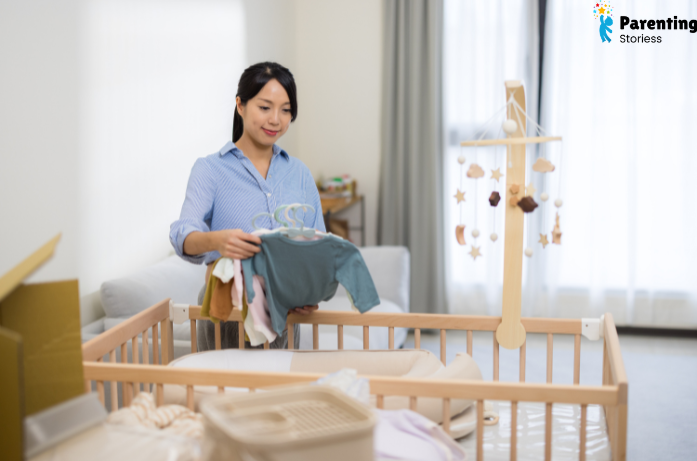
How to store baby clothes is something every parent eventually struggles with. Babies grow faster than we ever expect, and before you know it, drawers are overflowing with tiny onesies, sleepers, and outfits that no longer fit. From newborn clothes worn only once to special outfits filled with memories, figuring out how to store baby clothes safely and neatly can feel overwhelming.
Proper baby clothes storage is not just about reducing clutter. When you store baby clothes the right way, you protect delicate fabrics, prevent yellow stains, keep pests and moisture away, and make it easy to reuse clothes for future siblings or pass them on to other families. Whether you want to organize baby clothes by size, store them long-term, or preserve a few special pieces as keepsakes, having a simple system makes everything easier.
In this complete guide, you’ll learn how to store baby clothes step by step, with practical, parent-tested tips that help you stay organized while protecting those tiny outfits and the precious memories attached to them.
Why Properly Storing Baby Clothes Is Important
Many parents underestimate how much thoughtful storage can protect their baby’s wardrobe. It’s not only about keeping drawers neat, it’s about preserving value, memories, and fabric quality so those tiny outfits stay as lovely as the moments attached to them.
- Saves money: Babies grow so quickly that clothes are often outgrown long before they’re worn out. Storing them well means you can reuse favorite pieces for a younger sibling, a cousin, or even a friend’s baby, stretching your budget further.
- Preserves memories: Little garments often hold big stories: the onesie from the first hospital photo, the outfit worn for a first laugh, or that hand-knitted sweater from Grandma. Good storage keeps these treasures ready for a future walk down memory lane.
- Protects fabric quality: Natural fabrics like cotton, muslin, and wool are prone to mildew, pests, and yellowing if left in damp or unprotected places. Clean items before storing, use acid-free tissue between folds, and choose breathable boxes or fabric bags instead of plastic. Keep everything in a cool, dry spot away from direct sunlight.
- Keeps you organized: A clear system, such as labeling boxes by size, season, or child, makes it easy to find exactly what you need. It also prevents you from buying duplicates because you can see what’s already tucked away.
- Encourages sustainability: Passing clothes along, donating, or reselling gently used items reduces textile waste and gives them a second life. Thoughtful storage helps them stay in good shape so others can enjoy them too.
- Adds sentimental charm: Slip a note into each box sharing why a piece matters (Worn on your first trip to the park!). Years later, opening that box feels like unwrapping a time capsule.
- Prepares for creative keepsakes: Storing items properly keeps fabrics fresh if you ever want to transform them into a memory quilt, soft toy, or framed display for your child’s room.
Parenting insight: Baby clothes aren’t just outfits, they’re tiny chapters of your family’s story. A little care today lets you hold on to those chapters for a lifetime.
Step 1: Sort and Declutter
Before you begin packing, declutter and organize.
- Group by size: Newborn, 0–3 months, 3–6 months, 6–12 months, etc.
- Check condition: Keep only good-quality items. Clothes that are too stained or damaged can be recycled into rags or fabric crafts.
- Decide what to keep: Be realistic. Will you really need 10 newborn onesies again? Save your favorites and practical essentials.
- Donate gently used baby clothes: Many organizations, including Goodwill, the Salvation Army, and Baby2Baby, gladly accept baby clothes to help families in need.
Extra tip: Keep a donation box in your nursery or laundry room. Whenever your baby outgrows something, drop it in immediately. This way, you’re not overwhelmed later.
Step 2: Wash and Prepare Clothes
Even if baby clothes look clean, milk, drool, or food residues can cause stains and odors over time. Always wash before storage.
- Use gentle detergent: Choose fragrance-free, baby-safe detergents.
- Avoid fabric softeners and sprays: They may leave residue that damages fabric over time.
- Check for hidden stains: Look closely at collars, cuffs, and bib areas.
- Dry completely: Even slight dampness can lead to mildew or mold.
- Sunlight refresh: Natural sunlight helps remove stubborn yellow stains and refreshes fabric.
According to the American Academy of Pediatrics, avoiding harsh chemicals, like chlorine, bubble baths, and strong soaps, helps protect both your baby’s sensitive skin and the fabric of their clothes, which can be irritated or damaged by these substances.
Step 3: Choose the Right Storage Containers
The right container can make all the difference in how long baby clothes last.
- Clear plastic bins with lids: Durable, stackable, and moisture-resistant. Transparent sides make it easy to see what’s inside, making them one of the best baby clothes storage containers.
- Vacuum-sealed bags: Space-saving and great for short- to medium-term baby clothes storage. Not recommended for heirloom clothes, as fabrics need airflow.
- Cotton or muslin storage bags: Perfect for delicate or sentimental baby clothes keepsakes. The Consumer Product Safety Commission (CPSC) advises choosing non-toxic, durable containers for safe household storage.
- Drawer dividers and baskets :Ideal for organizing the baby clothes your child is currently using.
Avoid cardboard boxes. They attract pests, trap moisture, and degrade over time.
Organizing hack: Place small baby clothes accessories (like socks, mittens, and hats) into labeled fabric pouches before packing them in bins. This prevents tiny items from getting lost.
Step 4: Label Everything
A proper labeling system saves you future frustration. Imagine digging through 10 bins to find a 12-month winter jacket!
Label each bin with:
- Size range (0–3 months, 6–12 months, etc.)
- Season (summer, winter, all-weather)
- Category (everyday wear, formal outfits, keepsakes)
Some parents even use color-coded labels: green for neutral, pink for girls, blue for boys, or yellow for unisex.
Parent tip: Use waterproof labels so they don’t peel off in humid conditions.
Step 5: Store in the Right Location
The location you choose is just as important as the method.
- Cool, dry spaces : Closet shelves, under-bed storage, or dressers.
- Avoid attics and basements : Extreme heat, cold, or humidity can damage fabrics. The Centers for Disease Control and Prevention (CDC) warns that damp areas increase the risk of mold growth, which can harm fabrics and cause allergies.
- Natural pest protection : Add cedar blocks, lavender sachets, or dried rosemary bags inside bins for a fresh smell and bug deterrent.
Pro Tip: Don’t place bins directly against walls. Leave a small gap for airflow.
How to Store Baby Clothes as Keepsakes
Some baby clothes carry so many sweet memories, the tiny onesie they came home in, their first birthday outfit, or that soft cardigan Grandma knitted. If you want to save them for years (or even pass them down), a little extra care makes a big difference.
- Wrap with love: Use acid-free tissue paper to prevent yellowing and keep fabrics fresh.
- Choose gentle storage: Tuck clothes into breathable cotton boxes or garment bags instead of plastic, which can trap moisture.
- Mind the environment: Store in a cool, dry, climate-controlled place, away from sunlight or damp areas like attics and basements.
- Create a memory box: Add photos, letters, or a note about why each item is special, you’ll love reading them later.
- Rotate or air out: Take the pieces out once in a while to refold or air them; it helps prevent creases and keeps fabrics happy.
- Think ahead: One day, you might turn those cherished outfits into a quilt, memory pillow, or even frame a tiny outfit as nursery art, a lovely way to keep the memories alive.
.
Step 6: How Often to Rotate and Donate Stored Baby Clothes
Babies grow incredibly fast. Without a system, closets and drawers can easily get out of hand.
- Every 3–6 months : Review clothes and rotate sizes.
- Seasonal swap : At the start of summer or winter, swap out weather-appropriate baby clothes.
- Donation routine : When your donation box fills up, drop it off right away.
The EPA’s Textile Recycling Fact Sheet provides helpful guidance on eco-friendly disposal and recycling options for old baby clothes.
Step 7: Best Ways to Store Baby Clothes Long Term
If you plan to store baby clothes long term (for future siblings or keepsakes), follow these extra steps:
- Check yearly : Open bins once or twice a year to air out clothes.
- Fold loosely : Avoid sharp creases that weaken fabric fibers.
- Roll delicate fabrics : Rolling prevents wrinkles and stress on seams.
- Bundle outfits together : Keep matching tops and bottoms in small bags so they don’t get separated.
Frequently Asked Questions About How to Store Baby Clothes
1. How long can baby clothes be stored?
If washed properly and stored in airtight or breathable containers in a cool, dry space, baby clothes can last 5–10 years without losing quality.
2. How do I prevent yellow stains on stored baby clothes?
Wash thoroughly before storage, especially removing milk stains. Wrap in acid-free tissue paper to prevent yellowing.
3. Is it better to fold or hang baby clothes?
Folding is best for most clothes. Only hang delicate or formal outfits, using padded hangers to prevent stretching.
4. How do I keep pests away from stored baby clothes?
Use cedar blocks, lavender sachets, or moth-repelling herbs. Avoid chemical mothballs, as they can leave harmful residues.
5. Can I store baby clothes in vacuum-sealed bags long-term?
Yes, but only for short- to medium-term. For heirloom or delicate fabrics, use breathable cotton bags instead.
6. Can I store baby clothes in the garage or attic?
Not recommended. Garages and attics often have extreme temperatures and humidity, which can damage fabrics.
7. Should I wash secondhand clothes before storage?
Yes, always wash and dry secondhand or hand-me-down clothes before putting them into storage. This removes dust, allergens, or any lingering detergent residues.
8. What’s the best way to store baby clothes in humid climates?
Choose truly airtight bins, add silica gel packets (kept away from children), and store clothes in a climate-controlled space indoors. Check bins seasonally to ensure fabrics stay fresh.
Final Thoughts on How to Store Baby Clothes Properly
Learning how to store and organize baby clothes properly may feel overwhelming at first, but with a system in place, it becomes second nature. By sorting, washing, labeling, and using the right baby clothes storage methods, you’ll keep outfits fresh and ready for reuse, donation, or memory keeping.
So, whether you’re saving them for your next little one, passing them on to another family, or tucking them away as keepsakes, remember: the effort you put into baby clothes organization today will reward you tomorrow.
Want more practical parenting ideas? Visit, ParentingStories, for gentle guides and organizing tips written with real parents in mind.
Disclaimer:
This article is for informational purposes only. Always use your judgment when storing clothing, especially if your child has allergies or skin sensitivities.