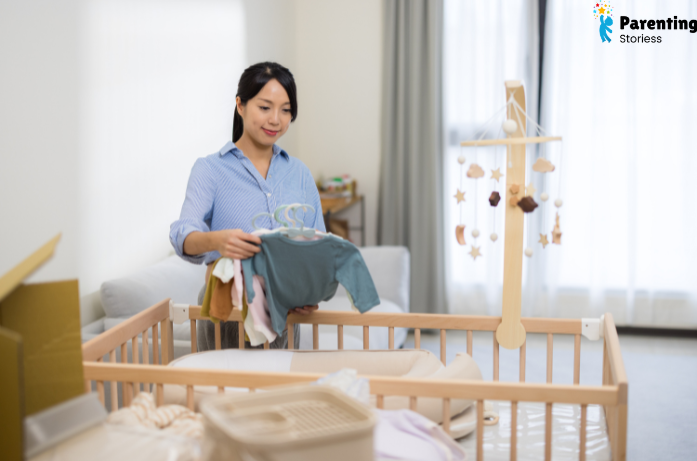
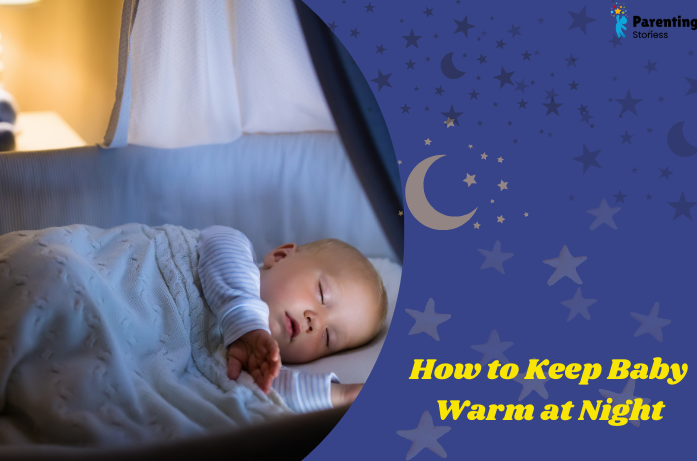
How to keep baby warm at night is one of the most common concerns for new parents, especially during cold nights. Babies cannot regulate body temperature like adults, so finding the right balance between warmth and safety is essential. This guide explains safe sleep temperature, baby sleepwear, layering tips, and gentle ways to keep your baby cozy without increasing the risk of overheating or SIDS.
How to Keep Baby Warm at Night Safely
Unlike adults, babies, especially newborns and young toddlers, have a much higher surface-area-to-weight ratio, so they lose body heat faster. Their bodies also contain less insulating fat, and they’re still learning how to regulate their temperature. Because of this, a room that feels perfectly cozy to an adult can leave a baby feeling chilly.
To keep them comfortable, focus on gentle, breathable layers rather than heavy coverings. Soft cotton onesies, footed pajamas, and lightweight sleep sacks are good choices, as they hold warmth while allowing airflow. Maintaining a steady room temperature (around 20–22 °C / 68–72 °F) and keeping cribs away from windows or direct drafts can also help. As babies grow, their ability to balance body heat improves, but they still need a sleep environment that protects them from getting too cold or too hot.
How to Keep Baby Warm at Night With the Right Room Temperature
Many child-health and sleep experts agree that a nursery or baby room should be kept around 68–72°F (20–22°C), which helps babies sleep comfortably. In cooler climates, or during winter nights, temperatures as low as 16–20°C (61–68°F) can be suitable, provided the baby is dressed appropriately, the room is draught-free, and heavier sleepwear or a higher-tog sleep sack is used. A helpful guideline is the comfort check: if you feel comfortable in light sleepwear while in the baby’s room, not too hot and not too cold, there’s a good chance your baby is also comfortable. Use this as a baseline and then adjust your baby’s layers as needed for warmth and comfort.
For best guidance on baby sleep temperatures, visit: SleepFoundation
How to Keep Baby Warm at Night Using Proper Sleepwear
A simple rule is to dress your baby in one more layer than you would wear to sleep comfortably.
Safe Sleepwear Options:
- Cotton bodysuit or onesie (base layer)
- Sleep sack for babies (wearable blanket) for warmth without the risk of loose blankets
- Footed pajamas for colder nights
Fabrics like cotton, bamboo, or merino wool are breathable and help regulate body temperature better than synthetics.
Avoid: Loose blankets, duvets, pillows, or hats indoors, as they can increase suffocation risks or overheating.
Signs Your Baby Is Too Hot or Too Cold
Checking Your Baby’s Temperature: Use Gentle Touch
Instead of hands and feet, which are often cooler, gently touch the back of the neck or the chest to judge comfort.
- Comfortable: Back of the neck or chest feels warm, not sweaty.
- Too Hot: Skin feels damp, cheeks look flushed, baby breathes fast, seems restless, all signs of overheating.
- Too Cold: Chest feels cool, baby shivers, or skin looks bluish or mottled.
A slightly cool hand or foot is normal.
If your baby is sweaty, unusually drowsy, or breathing hard, remove a layer and watch closely, seek medical help if symptoms don’t improve.
Keep an eye on the room temperature, too: it should feel pleasant, not stuffy or chilly, and your baby should lie comfortably without loose covers.
Smart and Safe Ways to Keep Your Baby Warm at Night
Keeping your baby warm at night is important, but it’s just as crucial to do it safely. Here are trusted, pediatrician-approved tips:
1. Use a Baby Sleep Sack (Wearable Blanket)
Sleep sacks are safer than loose blankets, which increase suffocation risks. They keep babies warm without covering their faces.
- 0.5 TOG: Best for hot summer nights.
- 1.0 TOG: Perfect for mild seasons like spring and fall.
- 2.5 TOG: Ideal for cold rooms or winter nights.
2. Layer Clothing Wisely
Dress your baby in breathable cotton onesies as a base. Add pajamas and a sleep sack if needed. Avoid over-layering, which can cause overheating.
3. Position the Crib Away from Drafts
Place the crib or bassinet away from windows, vents, and fans. Drafts can make your baby cold, while direct heat sources may lead to overheating.
4. Warm the Room, Not the Crib
Never use heating pads, hot water bottles, or electric blankets in the crib. Instead, maintain a safe nursery temperature (68–72°F / 20–22°C) with central heating or a baby-safe space heater with automatic shut-off, placed far from the crib.
5. Swaddle for Newborns (When Appropriate)
Swaddling provides both warmth and comfort for young newborns, but stop once your baby shows signs of rolling over. Always swaddle with a lightweight cotton blanket and place your baby on their back, following AAP safe sleep guidelines.
6. Monitor Room Temperature with a Thermometer
Use a room thermometer or a baby monitor with temperature display to ensure the nursery stays in a safe sleep range, following CDC safe sleep practices.
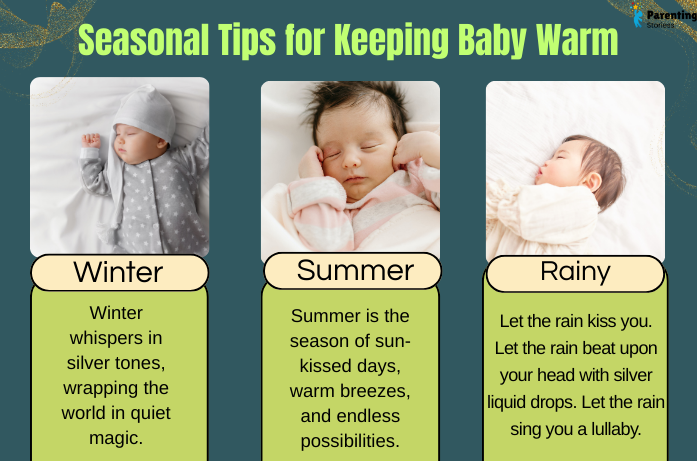
Seasonal Tips for Keeping Your Baby Warm and Comfortable
Winter Tips to Keep Baby Warm at Night
In winter, keep your baby cozy by dressing them in long-sleeved pajamas and a 2.5 TOG sleep sack. Ensure the nursery is draft-free but well-ventilated, and avoid placing heaters directly toward the crib. For short trips outdoors, a fitted cotton hat can help, but always remove it indoors to prevent overheating.
Summer Tips to Keep Baby Warm at Night Safely
During summer nights, opt for lightweight, breathable clothing like a cotton or bamboo onesie. Pair it with a 0.5 TOG sleep sack, or skip it altogether if temperatures are very high. Keep the room cool and airy using a fan or gentle air conditioning, but make sure the airflow isn’t directly on your baby. Babies may also need extra feeds in hot weather to stay hydrated.
Rainy or Humid Season Baby Sleep Tips
When humidity is high, dress your baby in breathable fabrics like cotton, bamboo, or muslin. Choose light layers that can be added or removed easily. Keep the nursery fresh by opening windows when possible or using a dehumidifier to reduce stuffiness and dampness.
Extra Comfort Tip for All Seasons
Always check your baby’s neck or chest to gauge their body temperature, rather than their hands or feet. Aim for a nursery temperature that feels comfortable to a lightly dressed adult, this is usually the best indicator of your baby’s comfort.
How to Keep Baby Warm at Night – Common Mistakes Parents Make
Over-bundling your baby with too many layers can lead to dangerous overheating, so it’s best to dress them in just one more layer than you’d find comfortable and use a sleep sack instead of stacking blankets. Loose blankets, pillows, and stuffed toys should stay out of the crib for the first 12 months because they increase the risk of suffocation or entrapment.
Avoid covering your baby’s head indoors, as hats or hoods can trap heat and may slip over the face while they sleep. Keep heaters, radiators, or space heaters well away from the crib so the temperature remains even and the air doesn’t become too dry. A firm, well-fitted mattress with a snug sheet is safest; very soft surfaces or gaps at the sides can create hazards. Also make sure there are no loose cords, strings, or dangling items nearby that could accidentally wrap around your baby. The safest sleep space is flat, firm, and clutter-free, with your baby dressed appropriately for the room’s temperature.
FAQs How to Keep Baby Warm at Night
Should my baby wear socks or mittens at night?
Not always. Focus on the core (chest and torso). Socks can be used if the room is very cold, but not mandatory to keep baby warm at night.
Can babies sleep with blankets?
No. The AAP strongly advises against loose bedding before 12 months due to SIDS risk.
What if my baby sweats while sleeping?
Remove a layer and check the room temperature. Sweating is a sign of overheating, part of overheating prevention for babies.
How do I know if my baby is too cold?
Cool chest/back or shivering indicates coldness. Adjust layering baby clothes or increase room warmth slightly.
Final Thoughts How to Keep Baby Warm at Night
Keeping your baby warm at night is about finding balance cozy enough for comfort, but never overheated. Focus on safe sleep temperature, baby sleepwear, and monitoring your baby’s comfort through gentle checks.
At Parenting Stories, we believe that safe, thoughtful nighttime routines give parents peace of mind and babies the restful, nourishing sleep they need to grow. With these gentle strategies and newborn warmth tips, your little one can sleep soundly and so can you.
Disclaimer:
This article is for informational purposes only and should not replace medical advice. Always consult your pediatrician if you have concerns about your baby’s sleep, temperature, or overall health.