
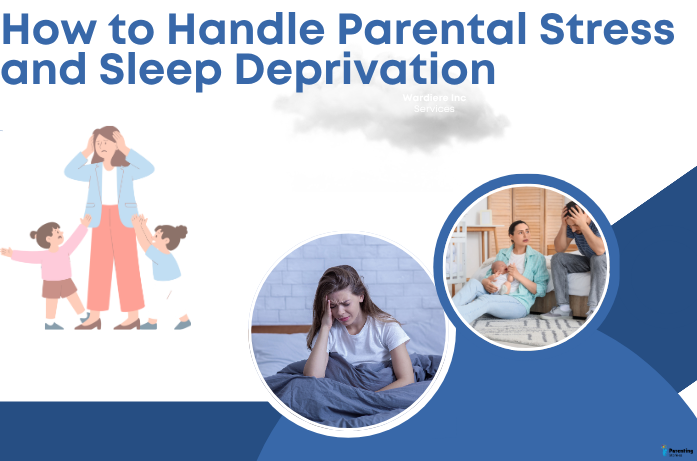
Parental stress and sleep deprivation are common challenges for new parents, especially during the early months of caring for a baby. Sleepless nights, emotional ups and downs, and constant responsibilities can leave parents feeling overwhelmed and exhausted. The good news is that these feelings are normal, temporary, and manageable with the right support, mindset, and small daily habits that protect both your rest and mental well-being.
1. Accept That Parental Stress and Sleep Deprivation Change Sleep Patterns
Forget the idea of perfect, uninterrupted nights. In the early months, baby sleep (and yours) will be unpredictable, and that’s completely normal. Instead of fighting the exhaustion, work with it. Focus on rest, not perfection. Remember, newborns wake frequently for feeding and comfort, it’s how they grow, bond, and feel secure. According to the American Academy of Pediatrics, following safe sleep practices and maintaining a calm sleep environment supports both your baby’s safety and your peace of mind. Creating gentle bedtime routines, using white noise, and keeping consistency can help both of you adjust more smoothly.
Try this:
• Nap when your baby naps, even 20 minutes can recharge you.
• Share night duties with your partner, if possible.
• Let the dishes and laundry wait,
they’ll still be there tomorrow.
• Keep your room peaceful: dim lights, no phones, and cozy blankets.
Mom Wisdom:
Rest isn’t selfish. It’s survival. Even small moments of sleep help you show up calmer, gentler, and stronger.
2. Give Yourself Permission While Managing Parental Stress and Sleep Deprivation
Parenthood is emotional, one minute you’re full of love, the next you’re fighting back tears. These ups and downs are completely normal. You’re not weak for feeling tired or needing a break; you’re human, adapting to a major life shift. Emotional changes often stem from hormonal fluctuations, sleep deprivation, and constant caregiving demands, acknowledging them helps you heal and stay mentally strong.
Try gentle self-talk when things feel heavy:
This is hard, but it’s temporary.
I’m doing my best, and that’s enough.
Show yourself the same tenderness you give your baby.
3. Share Responsibilities to Reduce Parental Stress and Sleep Deprivation
The phrase it takes a village exists for a reason. You don’t have to handle everything on your own. Building a strong support system, whether it’s family, friends, or online parenting groups, helps reduce burnout, encourages emotional well-being, and creates a healthier environment for both you and your baby.
Ways to ease the pressure:
• Take turns with night feeds or diaper changes.
• Let friends or family drop off meals or help with chores.
• Hire short-term help, if you can, even a few hours a week makes a difference.
Parent Tip:
Even one solid nap can change your whole day. Ask someone you trust to watch the baby while you rest, guilt-free.
Asking for help doesn’t mean you’re failing. It means you care enough to protect your energy for what matters most.

4.Daily Calming Practices for Parental Stress and Sleep Deprivation
You don’t need a spa day to relax, sometimes, all it takes is a few mindful minutes. Simple self-care practices like meditation, journaling, or short walks can reduce stress hormones, improve mood, and help parents feel calmer and more connected throughout the day.
Try these small resets:
• Deep breathing: Inhale for 4 counts, exhale for 6.
• Stretching: Roll your shoulders, stretch your neck, or stand in the sunshine for a minute.
• Music: Play soft tunes during nap time, it calms both you and your baby.
• Talk it out: Venting to a trusted friend or partner helps lighten the load.
Quick Reset:
If stress builds up, safely place your baby in their crib, step away for a moment, and breathe deeply. Even 60 seconds of stillness can reset your mood.
5. Caffeine, Screens, and Their Role in Parental Stress and Sleep Deprivation
When you’re running on fumes, coffee and endless phone scrolling can feel like survival tools, but overdoing either can disrupt your sleep cycle and increase anxiety. High caffeine intake affects melatonin production, making it harder to rest, while late-night screen exposure overstimulates your brain. Setting digital boundaries and mindful caffeine habits promote deeper, more restorative sleep for parents.
Try to:
• Keep coffee to mornings only.
• Skip energy drinks and sugary snacks that cause crashes.
• Turn off screens 30 minutes before bed, the blue light keeps your brain awake.
Instead, unwind with calm rituals: a warm shower, soft music, or a cozy book.
According to insights from University Hospitals, when parents rely on constant coffee and nonstop phone scrolling to push through exhaustion, they may unintentionally disrupt their sleep cycle and elevate anxiety levels.
6. Lower Expectations to Cope With Parental Stress and Sleep Deprivation
No one has it all together, even if social media makes it seem that way. Your home doesn’t need to sparkle, and every meal doesn’t have to be perfect. Focus on what truly matters, feeding, comfort, and love. That’s what your baby needs most. Parenthood is naturally messy, unpredictable, and beautifully real. Embracing imperfection helps reduce stress, strengthens emotional connection, and reminds you that being a good parent isn’t about doing everything, it’s about being present, patient, and loving.
Gentle Reminder:
Your baby won’t remember how clean the floor was, but they’ll always feel how loved they were.
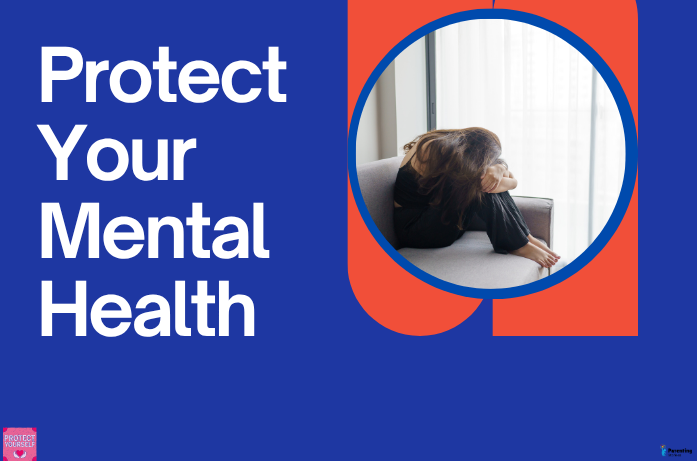
7. Protect Mental Health From Parental Stress and Sleep Deprivation
Sleep deprivation doesn’t just affect your body, it deeply impacts your emotional health too. Constant lack of rest can increase cortisol levels, leading to mood swings, anxiety, and emotional burnout. If you notice ongoing sadness, irritability, or detachment, don’t ignore it. These may be signs of postpartum depression or anxiety, both common and treatable with proper support. Prioritizing mental health, seeking therapy, and building a strong support system can help parents recover balance and emotional well-being faster.
Reach out to your doctor, therapist, or someone you trust. Talking about it isn’t weakness, it’s courage.
📞 Helpful Resource:
Visit Postpartum Support International for free help lines, local groups, and emotional support.

8. Finding Joy Despite Parental Stress and Sleep Deprivation
Even in the fog of exhaustion, joy hides in little places, your baby’s yawn, that sleepy smile, or the warmth of a tiny hand resting on your chest. These small, fleeting moments are powerful reminders of love and connection. Try writing down one happy moment each day in a gratitude journal. Over time, these reflections can improve mental health, lower stress, and strengthen your emotional resilience. Gratitude doesn’t remove fatigue, but it rewires your mind to notice the good amid the chaos. Celebrating these everyday wins helps parents stay grounded, hopeful, and deeply connected to their baby’s journey.

9. Strengthening Partner Support During Parental Stress and Sleep Deprivation
If you have a partner, try to keep your connection alive through the chaos. A shared meal, a laugh at 2 a.m., or a quick hug before work, these small gestures strengthen emotional intimacy. Open communication, shared responsibilities, and expressing gratitude help couples stay connected, reduce parenting stress, and build a supportive foundation for their growing family.
Tip:
A strong, supportive partnership helps reduce stress for both of you, and creates a more peaceful home for your baby.
FAQs: Parental Stress & Sleep Deprivation
Q1. Is it normal to feel emotional or anxious due to sleep deprivation?
Yes. Sleep loss affects both body and mind. Many new parents experience mood swings or anxiety, it’s common and treatable with rest and support.
Q2. How much sleep do new parents actually need?
Most adults need 7–8 hours, but new parents rarely get that. Even short naps (20–40 minutes) through the day help reduce fatigue.
Q3. What are some quick ways to calm down when I feel overwhelmed?
Pause, breathe deeply for 1 minute, drink water, and place your baby safely in the crib if needed. Step away briefly, it’s okay to reset.
Q4. When should I talk to my doctor about sleep deprivation or mood changes?
If sadness, irritability, or anxiety last more than two weeks or affect your ability to function, talk to your healthcare provider, it’s a sign of postpartum depression or anxiety.
Q5. How can my partner and I share baby duties more fairly?
Create a night shift plan, alternate nights or split early and late shifts. Communication and flexibility help both parents rest better.
Final Thoughts: Healing From Parental Stress and Sleep Deprivation Takes Time
Parenting is a journey filled with sleepless nights, endless love, and countless lessons. You won’t always get it perfect, and you don’t need to.
Some days will feel long and heavy. Others will surprise you with laughter and peace. Through it all, remember this: taking care of yourself isn’t selfish, it’s part of taking care of your baby.
Rest when you can. Breathe deeply. Ask for help.
You’re doing better than you think, and your love is more than enough.
Parenting isn’t about perfection, it’s about patience, learning, and love.
Explore more gentle, expert-backed guides on baby sleep, emotional care, and early parenting,
only on ParentingStories, where every sleepless night finds a little hope and healing.
Disclaimer:
This article is for informational and educational purposes only. It should not replace professional medical, psychological, or parenting advice. Always reach out to your healthcare provider if you experience persistent fatigue, mood changes, or anxiety after childbirth.