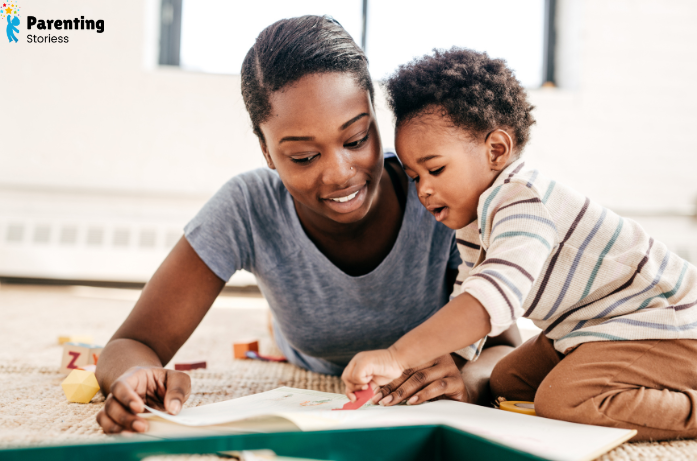

Co-parenting is not about splitting tasks perfectly, it’s about raising a child with shared love, support, and responsibility. These co-parenting tips help parents communicate better, divide duties fairly, and create a peaceful, secure environment for their child. Whether you’re living under one roof or co-parenting after separation, teamwork and respect allow your child to thrive emotionally and feel deeply supported by both parents.
1. Co-Parenting Tips for Open and Kind Communication
Good co-parenting begins with honest and respectful communication. When parents regularly talk about routines, discipline, and important decisions, it helps the child feel stable and supported. Clear, calm conversations prevent misunderstandings and strengthen trust between parents. Listening with patience and expressing thoughts kindly shows emotional maturity and teamwork. Remember, communication isn’t about proving a point, it’s about creating a safe, loving space where your child feels secure, confident, and valued.
Communication Strategies for Better Co-Parenting:
Keep the focus on your child’s well-being, not on past disagreements. Talk about what helps them feel secure, happy, and supported.

2. Co-Parenting Tips to Divide Responsibilities Fairly
Every family has its own rhythm and dynamic. Instead of stressing over keeping everything perfectly even, focus on balance and fairness in your shared parenting duties. One parent might handle mornings, while the other takes charge of bedtime or school drop-offs. What matters most is teamwork, trust, and understanding each other’s strengths. A flexible approach helps prevent burnout and teaches your child the value of cooperation and respect. Remember, co-parenting balance isn’t about counting tasks, it’s about creating harmony in your family routine and supporting each other through every stage.
How to Balance Parenting Duties Smoothly:
If one parent works longer hours, the other might take on more weekday duties, while weekends become shared family time.
Tip:
Check in regularly and adjust your routine as your child’s needs change, flexibility keeps things running smoothly.
3. Co-Parenting Tips: Use a Shared Parenting Calendar
A shared calendar can save time, reduce stress, and strengthen co-parenting organization. It helps both parents stay updated on doctor appointments, school events, birthdays, and family activities, ensuring nothing gets missed. Having all plans in one place makes scheduling easier and avoids last-minute confusion. Tools like Google Calendar, Cozi or FamCal allow color coding, reminders, and shared access so both parents can plan ahead. This simple system encourages teamwork, transparency, and better parent communication, helping your child see consistency and cooperation at home. A well-organized family schedule brings peace, structure, and balance to everyone’s routine.
Parent Hack:
Try apps like Google Calendar or Cozi, they make planning easy and ensure both parents stay equally informed.
4. Co-Parenting Tips for Presenting a United Front
Children feel secure and emotionally balanced when their parents work together as a team. Even if you have different opinions behind the scenes, staying consistent in front of your child builds trust and stability. Conflicting messages or disagreements shown openly can confuse and stress children, affecting their confidence. Co-parenting consistency teaches kids that teamwork, respect, and problem-solving are part of healthy relationships. Discuss differences privately and calmly, focusing on solutions instead of blame. When parents present unity and support, children feel safe, loved, and confident in their family environment.
Tip:
Handle disagreements privately and calmly. Show your child that teamwork and respect go hand in hand.
5. Co-Parenting Tips: Respect Each Other’s Parenting Style
You and your co-parent may have different ways of doing things, and that’s perfectly okay. What truly matters is that your child feels loved, understood, and secure in both homes. Different parenting styles can actually benefit your child by teaching flexibility, empathy, and problem-solving. Instead of worrying about who’s right, focus on shared goals like stability, respect, and emotional growth. Celebrate each parent’s strengths and unique approach. When children see cooperation and mutual respect between parents, they learn that love and support can exist even in different ways.
Parent Reminder:
Instead of focusing on differences, celebrate what each of you does well. Variety can actually help your child adapt and grow.
6. Co-Parenting Tips to Support Each Other, Not Compete
Co-parenting isn’t about proving who does more, it’s about working together to do what’s best for your child. Appreciate each other’s efforts, big or small, because acknowledgment builds trust and emotional connection. When parents support one another instead of competing, children learn teamwork, gratitude, and respect. Simple gestures like saying Thanks for helping with homework or I appreciate your effort today go a long way. A supportive attitude keeps the parenting partnership strong and shows your child that love and cooperation matter more than comparison.
Example:
A simple Thanks for handling bedtime tonight can mean more than you think. Gratitude builds cooperation and trust.

7. Co-Parenting Tips to Keep Children Out of Conflicts
Children should never feel caught in the middle of their parents’ disagreements. Avoid arguing, blaming, or criticizing each other in front of your child, it can create stress and emotional confusion. Kids feel safest when parents handle issues calmly and privately. Maintaining clear co-parenting boundaries shows emotional maturity and sets a positive example of respectful communication. Always discuss important matters directly with your co-parent, not through your child. Protecting your child’s emotional well-being helps them feel secure, loved, and free from adult worries, allowing them to focus on learning and growing happily.
Tip:
If you need to communicate something important, do it directly with your co-parent, not through your child.
8. Co-Parenting Tips for Being Flexible and Forgiving
Parenting plans don’t always go perfectly, life happens. Illness, travel, or unexpected work changes can disrupt even the best schedules. When things shift, stay calm, patient, and understanding. Flexibility shows your child that love and teamwork matter more than strict routines. Co-parenting challenges are easier to manage when both parents communicate openly and support each other’s needs. Forgiveness helps prevent resentment and keeps the focus on what truly matters, your child’s happiness and stability. Remember, positive parenting isn’t about perfection; it’s about creating harmony, understanding, and balance in your family life.
Parent Wisdom:
Focus on teamwork, not keeping score. The goal is a peaceful, loving environment for your child, not perfection.

9. Co-Parenting Tips to Make Time for Family Moments
Even when parenting duties are shared, it’s important to create joyful moments together. Whether it’s storytime, a walk in the park, or a fun weekend activity, these shared experiences build your child’s sense of family, love, and belonging. Quality family time helps children feel emotionally secure and connected. Laughter, play, and togetherness strengthen bonds far more than routines or chores ever could. Remember, kids won’t remember who did which task, they’ll remember the warmth, joy, and memories you created together. Those moments become the foundation of a happy and confident childhood.
Reminder:
Children remember the laughter and love, not who did which task, learn more from reliable guidance like the CDC’s Positive Parenting Tips.
FAQs: Common Co-Parenting Questions
Q1. How do I communicate better with my co-parent?
Keep discussions child-focused, calm, and respectful. Use shared calendars or apps for schedules to reduce stress.
Q2. What if we have different parenting styles?
That’s normal! Focus on shared goals, stability, love, and emotional security, and agree on core rules for consistency.
Q3. How can we co-parent peacefully after separation?
Create a predictable routine, respect boundaries, and never speak negatively about the other parent in front of your child.
Q4. What should I do if my co-parent isn’t cooperating?
Stay calm, document key details, and consider professional mediation if needed. Prioritize your child’s emotional well-being above all.
Final Thoughts: Two Hearts, One Purpose
Co-parenting works best when both parents focus on one thing, the happiness and well-being of their child. It’s not about dividing roles perfectly but about supporting each other through the ups and downs of parenting.
At Parenting Stories, we believe that strong co-parenting is built on patience, respect, and shared love. When parents work as a team, children grow up feeling secure, confident, and deeply loved.
Disclaimer:
This article is for informational purposes only and should not replace professional family or legal advice. Always consult a family counselor or mediator if co-parenting challenges become difficult to manage.