Looking for simple ways to boost kids’ learning at home? Children learn best through play, curiosity, and real-life experiences, not long lessons or pressure. When learning feels fun, hands-on, and meaningful, kids stay engaged, confident, and excited to explore new things. These 10 playful, practical strategies turn everyday moments into powerful learning opportunities, helping your child grow smarter, happier, and more curious, right from home.
1. Turn Everyday Moments into Mini Lessons to Boost Kids’ Learning at Home
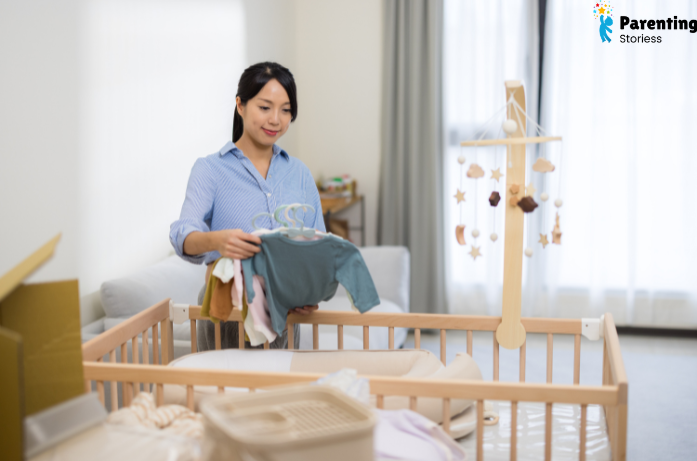
Kids learn best through daily routines and real-life experiences that make learning meaningful and enjoyable. Simple home activities like cooking, cleaning, or gardening can become powerful learning moments that nurture problem-solving, creativity, and communication skills. These everyday experiences help children connect lessons to real-life situations, making concepts easier to understand and remember. Learning through play and interaction also builds a stronger bond between parents and children while encouraging curiosity, independence, and a lifelong love for learning.
Learning Activities at Home That Boost Skills:
- Count fruits while grocery shopping.
- Name colors while folding laundry.
- Measure ingredients while cooking dinner.
- Let your child sort buttons or spoons, perfect for fine motor skills and early math.
These activity-based learning ideas using daily objects help children build problem-solving and vocabulary naturally, while also teaching life skills and teamwork.
2. Read Together Daily to Boost Kids’ Learning at Home
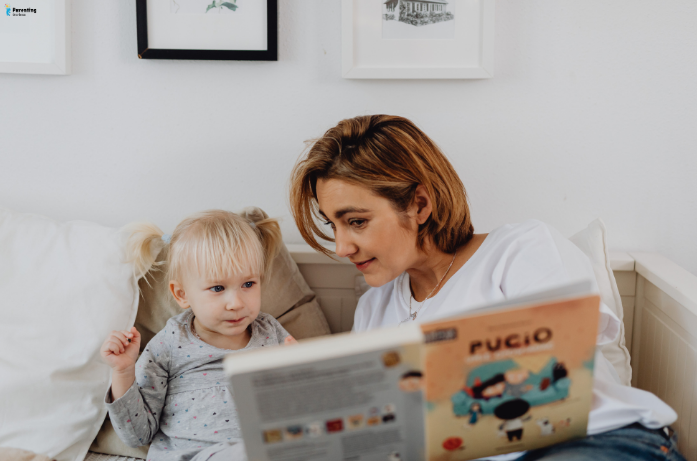
Reading opens the door to imagination and knowledge, and it’s one of the best nurseryreadingactivities for early learners. Even just 10 minutes a day can make a huge difference in developing vocabulary, listening skills, and concentration. Regular storytime not only strengthens language development but also helps build emotional connection and empathy through stories. Reading together encourages creativity, enhances memory, and sets the foundation for strong communication and lifelong learning habits.
Reading Tips to Boost Learning at Home:
- Use fun voices or props during storytime.
- Ask questions like, What do you think happens next?
- Encourage your child to describe pictures or retell the story in their own words.
You can even link reading to a creative craft idea, like drawing their favorite character afterward or making a paper puppet to act out the story.
3. Use Music & Rhythm to Boost Kids’ Learning at Home
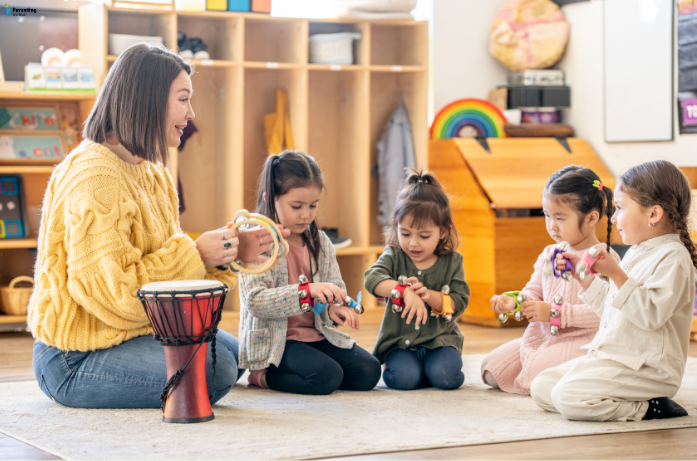
Music makes learning effortless and full of joy, turning complex concepts into fun, memorable experiences. Songs and rhymes boost memory, rhythm, and coordination, key skills for early childhood development. Singing also improves pronunciation, listening, and language comprehension in young learners. When children move or dance to music, it enhances motor skills, confidence, and emotional expression. Using music in learning builds creativity, focus, and a positive attitude toward education from an early age.
Music-Based Learning Ideas for Home:
- Sing counting or alphabet songs.
- Tap along to the beat with spoons or claps.
- Dance while learning, it boosts focus and body awareness.
Songs are also great for circle time activities, they help toddlers stay engaged, build language, and have fun together.
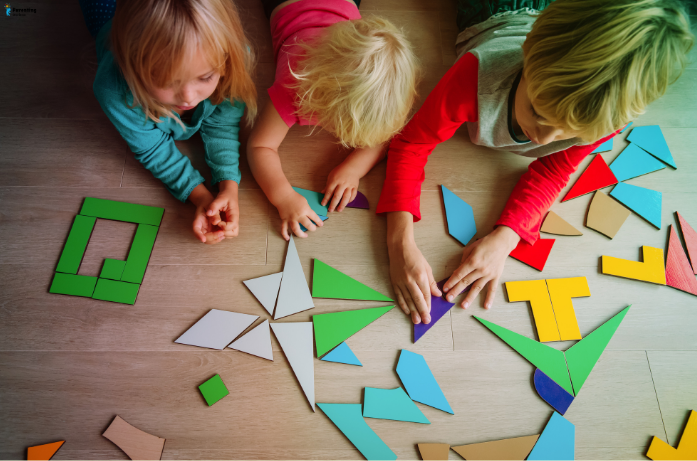
4. Make Learning Playful With Games to Boost Kids’ Learning at Home
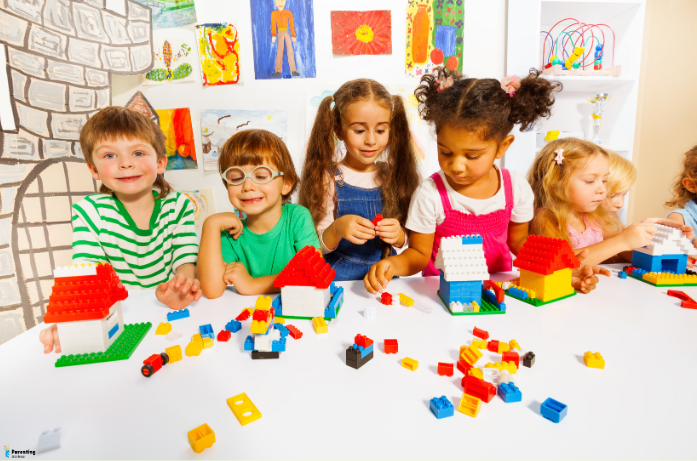
Games teach children patience, problem-solving, and cooperation while making learning enjoyable and engaging. Activities like puzzles, board games, and imaginative play help sharpen thinking, memory, and social skills. According to The Power of Play (AAP), playful learning boosts creativity, strengthens emotional development, and enhances focus in young children. Such games naturally encourage kids to follow rules, work as a team, and explore new ideas with confidence. Learning through play turns everyday challenges into opportunities to discover, grow, and enjoy meaningful education.
Play-Based Learning Games for Better Skills:
- Play Guess the Animal or What’s Missing? for memory practice.
- Try Scrabble Jr. or picture bingo for spelling and number recognition.
- Turn clean-up time into a race, it builds responsibility and teamwork.
Learning through play makes toddler activities exciting and meaningful, turning every small win into a big achievement.
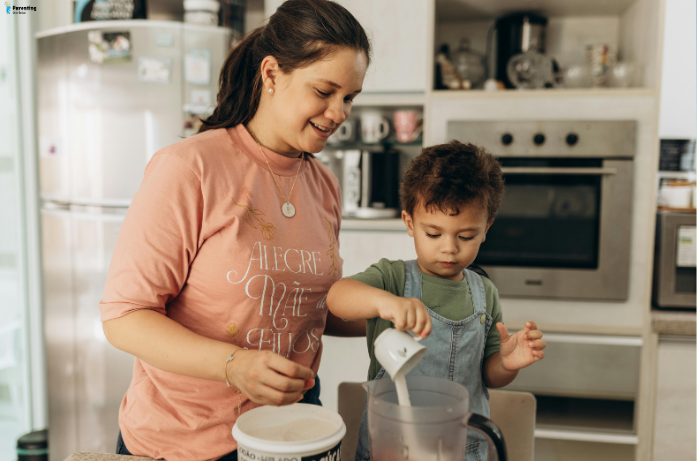
5. Cook and Bake Together to Boost Kids’ Learning at Home
Cooking is a wonderful home learning activity that teaches counting, sequencing, and patience, all while creating something delicious together. It helps children understand basic math concepts, improves fine motor skills, and encourages teamwork. Cooking also sparks curiosity about science and nutrition, as kids observe how ingredients change with heat or mixing. Involving children in the kitchen builds confidence, responsibility, and healthy eating habits while turning everyday moments into fun, hands-on learning experiences.
Parent Hack:
- Let your child pour, stir, or measure ingredients.
- Talk about shapes, textures, and smells.
- Use cooking to teach basic science, like what happens when dough rises or ice melts.
Every recipe becomes a mini science experiment that develops math, observation, and life skills.

6. Explore Nature & Outdoors to Boost Kids’ Learning at Home
Nothing teaches better than the world outside. Nature is full of discovery, making it perfect for early learning and sensory exploration. Outdoor play helps children develop observation skills, creativity, and physical coordination. According to Outdoor Play (CDC), regular outdoor activities support healthy physical development, improve social skills, and boost overall well-being in young children. Exploring parks, gardens, or even your backyard can spark curiosity about plants, animals, and weather changes. Nature-based learning also nurtures empathy, responsibility, and respect for the environment while encouraging children to explore freely, think independently, and connect with the world around them.
Nature Learning Activities for Kids:
- Start a Nature Journal, draw leaves, name insects, or describe the weather.
- Collect pebbles or flowers and use them for creative craft ideas at home.
- Talk about shapes, sounds, and colors in nature, it builds awareness and curiosity.
Outdoor adventures teach responsibility, observation, and environmental care, all while keeping learning playful.
7. Encourage Creativity & Imagination to Boost Kids’ Learning at Home
Children express their emotions and ideas best through art and pretend play, which are vital for cognitive and emotional development. Encouraging kids to dream, draw, and build freely nurtures creativity, problem-solving, and self-expression. Activities like drawing, crafting, or imaginative storytelling help improve focus, motor skills, and confidence. Creative play also strengthens communication and critical thinking, allowing children to explore new ideas and develop a strong sense of individuality from an early age.
Parent Tip:
- Keep a box of art supplies handy, crayons, paper, glue, and old magazines.
- Try easy simple art and craft projects like paper collage, sock puppets, or coloring shapes.
- Let your child create their own stories or perform a mini show at home.
Creativity boosts confidence, fine motor skills, and self-expression, essential parts of early childhood learning.
8. Ask Open-Ended Questions to Boost Kids’ Learning at Home
Curiosity drives learning and helps children develop a deeper understanding of the world around them. Instead of giving direct answers, guide your child with open-ended questions that encourage thinking, reasoning, and creativity. This approach strengthens communication, builds confidence, and improves critical thinking skills. When children are encouraged to ask why and how, they become active learners who explore, experiment, and develop problem-solving abilities essential for lifelong learning and intellectual growth.
Sensory & Open-Ended Questions for Learning:
- What do you think will happen if we mix these colors?
- Why do you think the moon changes shape?
- How do plants drink water?
These open-ended conversations help develop logic, language, and problem-solving, key elements of learning tips for kids that promote deeper understanding.
9. Use Technology Wisely to Boost Kids’ Learning at Home
Technology can be a great tool for learning when used thoughtfully and in moderation. Interactive educational apps, videos, and games can enhance problem-solving, creativity, and digital literacy in young learners. When parents guide screen time with purpose, technology becomes a bridge to meaningful learning rather than distraction. Using tech together encourages curiosity, improves attention span, and helps children explore new concepts safely while building essential 21st-century skills for the future.
Smart Tech Use for Learning at Home:
- Choose quality educational apps and explore them together.
- Discuss what you watch or play.
- Encourage creative digital play, drawing apps, storytelling games, or alphabet puzzles.
Apps like Khan Academy Kids, PBS Kids, and Duolingo ABC support reading, math, and phonics, ideal for fun, guided toddler activities.
10. Celebrate Effort to Boost Kids’ Learning at Home
Every small win deserves recognition because it motivates children to keep learning and growing. When you celebrate effort rather than just results, you teach your child persistence, resilience, and self-belief, qualities that build a strong growth mindset. According to Mindset for Children (NAEYC), focusing on effort helps children understand that abilities develop over time. Praising hard work and determination helps them see mistakes as a natural part of learning. This positive reinforcement boosts confidence, encourages problem-solving, and inspires a lifelong love for learning and personal growth.
Example:
Instead of saying You’re so smart, say I love how you kept trying until you figured it out!
Use these moments as part of your circle time activities at home, share what they learned, praise their effort, and build confidence through conversation.
FAQs: Ways to Boost Kids’ Learning at Home
1. What are some simple home learning activities for toddlers?
Simple activities like sorting toys by color, stacking blocks, naming fruits, or singing rhymes help toddlers build early math, language, and motor skills, all while having fun.
2. How can parents make learning fun at home?
Turn daily moments into playful lessons. Count fruits while cooking, play guessing games, or explore nature together. When learning feels like play, kids stay curious and engaged.
3. How much screen time is okay for learning?
For young kids, keep screen time limited and purposeful, around one hour of high-quality educational content per day. Always co-watch or guide your child to ensure safe, meaningful learning.
4. What’s the best way to encourage creativity in children?
Offer open-ended materials like crayons, paper, or clay, and let your child explore freely. Avoid correcting their art, focus on self-expression, imagination, and confidence building.
5. Why is celebrating effort important in learning?
When you praise effort instead of perfection, children develop resilience, patience, and a growth mindset, essential skills for lifelong learning and confidence.
Final Thoughts: Simple Ways to Boost Kids’ Learning at Home
At home, every giggle, question, and moment together can become a chance to learn. Whether it’s through creative craft ideas, storytime, or outdoor play, what matters most is connection and curiosity.
At Parenting Stories, we believe every moment with your child can spark learning and love.
Join our community to explore expert-backed guides, creative activity ideas, and heartwarming stories that make parenting joyful and stress-free.
Disclaimer:
This article is for informational purposes only and is not a substitute for educational or developmental advice. Always consult your child’s teacher or pediatrician for personalized learning guidance.