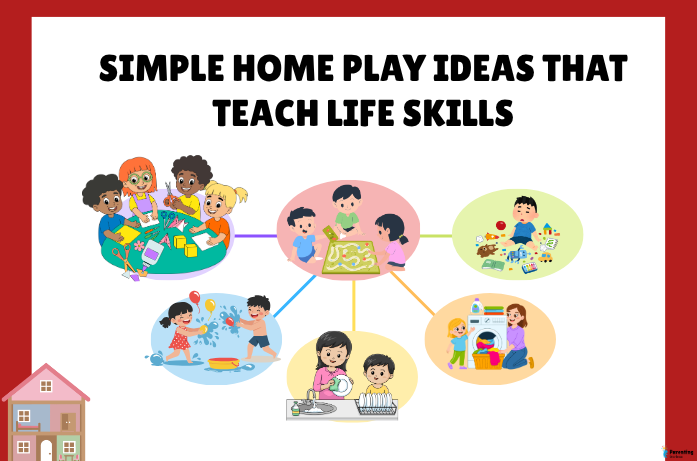
Children don’t need expensive toys or structured lessons to learn important life skills. Many of the most meaningful learning moments happen right at home through simple home play ideas. Pouring water, sorting laundry, watering plants, or building with blocks naturally teaches patience, teamwork, creativity, and problem-solving. When parents turn everyday routines into playful learning opportunities, children build confidence, independence, and curiosity in a fun, gentle way.
Research shows that play and everyday family routines are essential for healthy child development. The American Academy of Pediatrics (AAP) highlights that play supports social, emotional, and cognitive growth, making simple at-home activities some of the most powerful learning experiences for young children.
Through play, kids naturally develop independence, empathy, and responsibility, all while having fun. Simple household activities like sorting laundry by color, measuring ingredients while baking, or watering plants can become powerful learning moments. The secret lies in turning ordinary routines into playful adventures that nurture creativity, motor skills, and confidence. This hands-on learning not only builds essential life skills but also lays the foundation for curiosity and lifelong learning.
Here are some simple home play ideas and DIY indoor games that promote growth, helping your child learn life skills while creating joyful family memories.
1. Sorting and Organizing – Simple Home Play Ideas for Responsibility
Turn a simple activity into one of your favorite household games. Give your child a basket of mixed socks or toys and call it a sorting challenge. Ask them to group items by color, size, or type. This fun task helps improve observation, focus, and fine motor skills while teaching early math and categorization concepts. You can even time the challenge or play music to make it exciting. Such playful activities build responsibility and make learning an enjoyable part of daily life.
Life Skill Learned Through These Simple Home Play Ideas: Organization and responsibility
When kids take pride in tidying up, they begin to understand that caring for their things, and their space, truly matters.
Bonus Simple Home Play Idea for Organizing Fun: Let them organize crayons, books, or toy bins. You’ll be surprised how much ownership they take when cleaning becomes a playful family moment.
2. Kitchen Helpers – Simple Home Play Ideas That Build Confidence
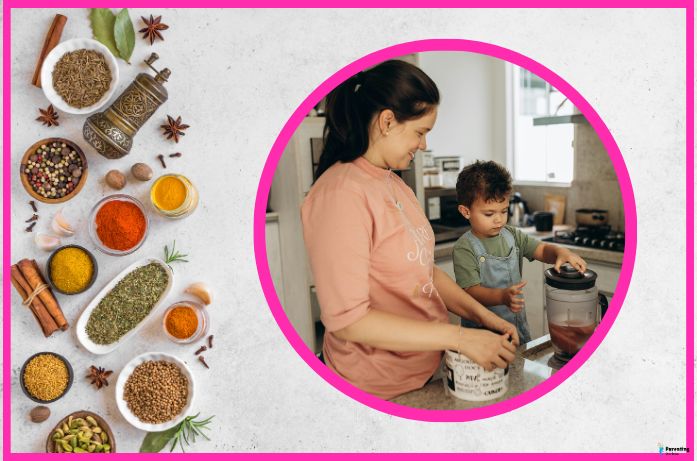
The kitchen is one of the best classrooms for children, full of DIY and indoor games that promote growth. Invite your little one to be your mini chef. Let them wash vegetables, stir batter, or pour ingredients. These simple cooking activities enhance sensory development, hand-eye coordination, and focus. They also help kids understand healthy eating habits and food textures. Involving children in safe kitchen tasks builds confidence, creativity, and real-world life skills in a fun, hands-on way.
Life Skill Learned from Simple Home Play Ideas in the Kitchen: Patience, teamwork, and healthy habits
Cooking teaches children how to follow steps, stay focused, and enjoy the reward of their effort, plus, it’s an early introduction to math and science through measuring and mixing.
Try This:
Make it one of your fun family games for all ages, Who can stir the smoothest? or Guess how many spoonfuls fill the cup? Keeping it playful turns everyday cooking into joyful learning.
3. Laundry Play – Simple Home Play Ideas That Build Independence
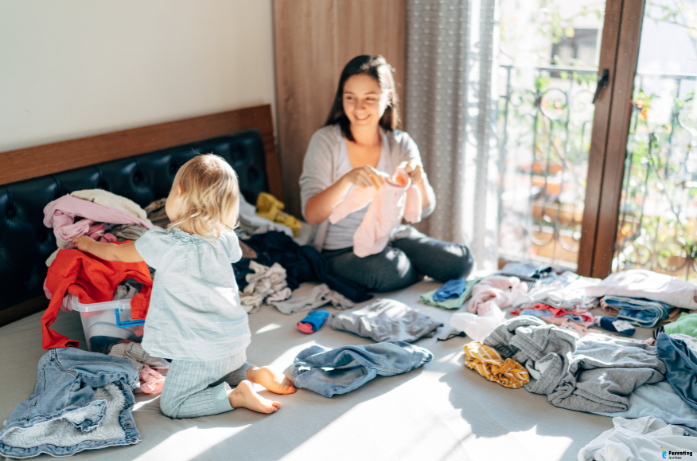
Laundry can become one of the simplest games to play with family without anything special. Ask your child to help sort clothes by color or family member. This playful activity improves observation skills, decision-making, and organization while teaching children about responsibility and teamwork. You can turn it into a mini learning game by asking them to count items, identify fabric types, or match pairs. Such simple family tasks build independence and strengthen emotional bonding naturally.
Life Skill Learned from Simple Home Play Ideas in Laundry: Independence and care
Let them fold towels or match socks. Even if it’s not perfect, they’ll feel proud of helping, and they’ll learn that being part of the family routine matters.
Parent Tip:
Praise their effort: You did such a great job folding that! These small words build big confidence.
4. Water Play – Simple Home Play Ideas for Coordination and Focus
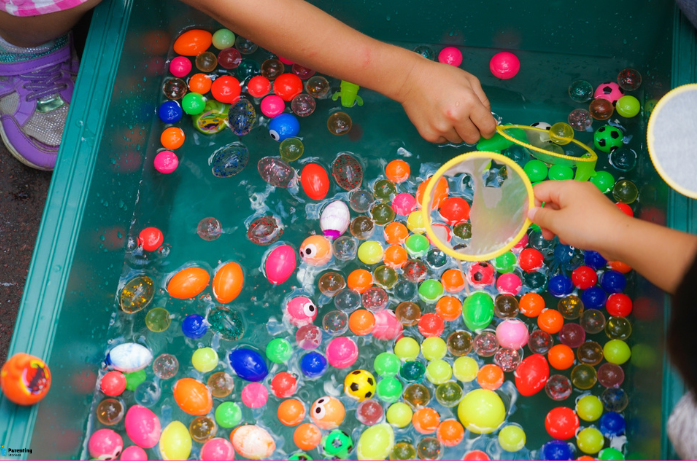
Set up a small tub or sink with water, cups, and spoons. Add toys or sponges for pretend washing. This simple activity helps children develop hand-eye coordination, fine motor skills, and concentration. You can introduce concepts like volume, measurement, and cause-and-effect while they play. Adding colorful toys, cups of different sizes, or even safe kitchen utensils makes the experience more engaging. Water play also encourages sensory exploration, creativity, and cooperative play, making it a fun and educational activity for toddlers at home.
Life Skill Learned Through Water-Based Simple Home Play Ideas: Focus, coordination, and self-control
Pouring and measuring strengthen fine motor skills, and water play is one of the easiest best family games to play at home with toddlers.
Creative Twist:
Make it car wash day for toy cars or dishwashing day with unbreakable cups. They’ll learn about responsibility while having splashy, screen-free fun.
5. Gardening Together – Simple Home Play Ideas That Teach Patience
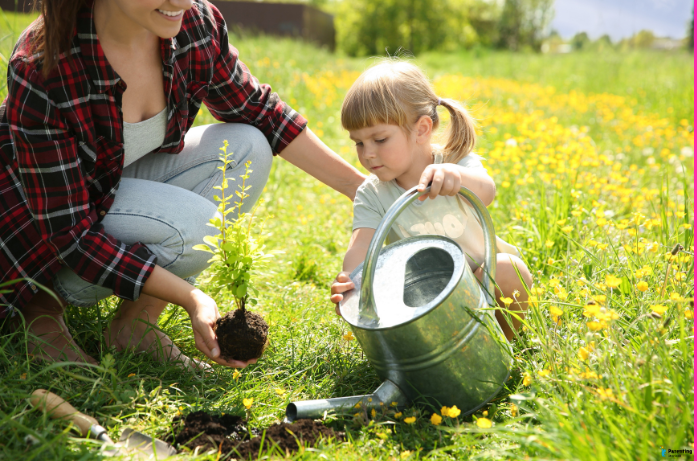
Gardening is both relaxing and educational, a wonderful DIY indoor and outdoor activity that helps kids connect with nature. It introduces children to the basics of plant growth, seasons, and ecosystems while encouraging curiosity and observation skills. Involving kids in planting, watering, and caring for plants teaches responsibility, patience, and environmental awareness. Simple activities like growing herbs or flowers at home provide hands-on learning experiences, spark creativity, and help children develop a lifelong appreciation for nature and sustainable living.
Life Skill Learned Through Gardening Simple Home Play Ideas: Patience, empathy, and care for the environment
Let your child water plants, dig soil, or name their favorite flower. Watching something grow under their care builds mindfulness and pride.
Try This:
Start with easy plants like basil or mint. These quick growers help little ones see the fruits of their effort and understand how care leads to growth.
6. Art and Craft – Simple Home Play Ideas for Creativity and Expression
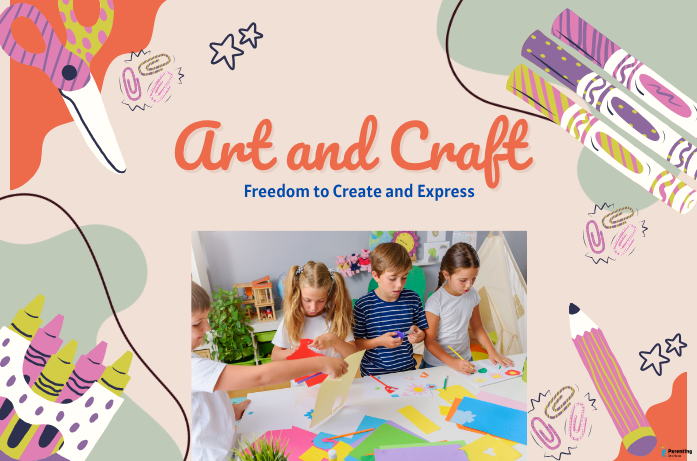
Bring out your creative side with DIY craft for kids that inspire imagination and focus. Use paper, crayons, old magazines, glue, and clay, and let your child’s creativity take over. These activities enhance fine motor skills, hand-eye coordination, and problem-solving abilities. Craft projects also encourage self-expression, critical thinking, and patience as children plan and complete their creations. Adding themed crafts, recycled materials, or collaborative projects makes the experience more engaging, educational, and perfect for fostering a love for learning at home.
Life Skill Learned from Art-Based Simple Home Play Ideas: Creativity and problem-solving
Art helps children express feelings and develop patience while finishing projects on their own.
Parent Tip:
Ask open-ended questions: Tell me about your picture! instead of What is that? It builds storytelling, confidence, and emotional understanding.

7. Pretend Play – Simple Home Play Ideas for Empathy and Imagination
Pretend play is how children make sense of the world. It’s also one of the best indoor games that promote growthand communication. Engaging in role-play helps children develop social skills, emotional intelligence, and problem-solving abilities. They learn to negotiate, share, and understand different perspectives while expressing creativity. Simple props like costumes, play money, or household items can make the experience more immersive. Regular pretend play boosts confidence, language development, and imaginative thinking, making learning both fun and meaningful at home.
Life Skill Learned Through Pretend Play Simple Home Play Ideas: Empathy, teamwork, and creativity
When kids play teacher, shopkeeper, or doctor, they learn to solve problems, express emotions, and understand others’ perspectives.
Fun Idea:
Set up a small grocery shop with play money or act out a restaurant scene with paper menus. These little role-playing moments strengthen confidence and communication skills.
8. Family Chores – Simple Home Play Ideas That Build Teamwork
Chores don’t have to feel like work, they can easily turn into fun family games for all ages. Try timing how fast everyone can tidy up the living room or fold the laundry. This approach teaches children responsibility, organization, and teamwork in an engaging way. Adding challenges, rewards, or friendly competitions can make everyday tasks exciting and motivating. Involving kids in household chores also helps develop time management skills, independence, and a sense of contribution to the family routine.
Life Skill Learned: Cooperation and time management
When kids see parents working with them, they learn that helping isn’t a burden, it’s teamwork.
Parent Reminder:
Even small acts, putting toys away or feeding the pet, help build independence and family bonding.
9. Storytelling and Reading – Simple Home Play Ideas for Communication
Reading together isn’t just a bedtime routine; it’s one of the most meaningful household games you can share. Regular reading sessions improve language skills, vocabulary, and comprehension while fostering a love for books. Encouraging children to ask questions, predict outcomes, or retell stories boosts critical thinking, creativity, and confidence. Storytime also strengthens emotional bonds, promotes empathy, and enhances listening skills. Making reading interactive with props or voices can turn it into an engaging, educational, and fun family activity at home.
Life Skill Learned: Listening, comprehension, and empathy
Ask your child to predict what happens next, create a new ending, or act out the story with soft toys.
Fun Twist:
Turn storytelling into a family challenge, each person adds one sentence to create a funny or adventurous tale. It’s one of the simplest and most enjoyable games to play with family without anything at all.
10. The Gratitude Jar – Simple Home Play Ideas for Mindfulness
Keep a small jar in your living room and call it the Happy Moments Jar. Each evening, ask your child to share something they’re thankful for and write (or draw) it on a slip of paper. This simple practice encourages mindfulness, reflection, and emotional expression in children. Over time, it helps develop gratitude, positivity, and a habit of noticing small joys in daily life. You can involve the whole family, making it a bonding activity that strengthens emotional connections and promotes a happy, mindful home environment.
Life Skill Learned: Mindfulness and reflection
This heartfelt habit teaches children to appreciate small joys, and reminds the whole family how much love and laughter you share daily.
Bonus Idea:
Once a month, open the jar and read your notes together. It’s a simple household game that builds gratitude and connection for everyone.
Experts in early childhood education, including Head Start, emphasize that play-based learning and simple daily routines like this help children explore emotions, build reflection skills, and make sense of their world in meaningful ways.
FAQs About Simple Home Play Ideas and Life Skills
1. Can simple household activities really teach life skills?
Absolutely! Everyday tasks like sorting laundry, cooking, or watering plants naturally develop responsibility, problem-solving, and teamwork, all while keeping play fun and engaging.
2. How much time should children spend on home play activities?
Even short, consistent sessions of 15–30 minutes daily can be highly beneficial. The focus is on quality, engagement, and interaction rather than duration.
3. Are these activities safe for toddlers?
Yes, as long as parents supervise and adapt each activity to your child’s age and skill level. Use child-safe utensils, soft toys, and low-risk household items.
4. How can I make chores fun for my child?
Turn tasks into games, time challenges, friendly competitions, or playful rewards make chores exciting while teaching responsibility and cooperation.
5. Can these activities really prepare kids for school?
Definitely. Home play nurtures cognitive skills, language development, creativity, emotional intelligence, and social skills, all foundational for school readiness.
For parents looking to explore more ways play supports emotional, social, and physical development, the American Academy of Pediatrics explains how the power of play helps children thrive across all stages of growth.
Final Thoughts: Why Simple Home Play Ideas Prepare Kids for Life
Every playful moment at home is an opportunity to learn, patience while baking cookies, teamwork while cleaning, creativity during crafts.
Children don’t need perfection; they need presence. Laugh together, make a mess, and turn the ordinary into meaningful play. Because when fun meets purpose, every moment becomes a memory, and every game becomes growth.
At Parenting Stories, we believe that learning begins at home, one playful moment at a time.
Discover more expert-backed guides, DIY activities, and simple play ideas that turn ordinary days into meaningful learning experiences.
Disclaimer:
This article is for informational purposes only and is not a substitute for professional parenting or educational advice. Always adapt activities to your child’s age and safety level.