
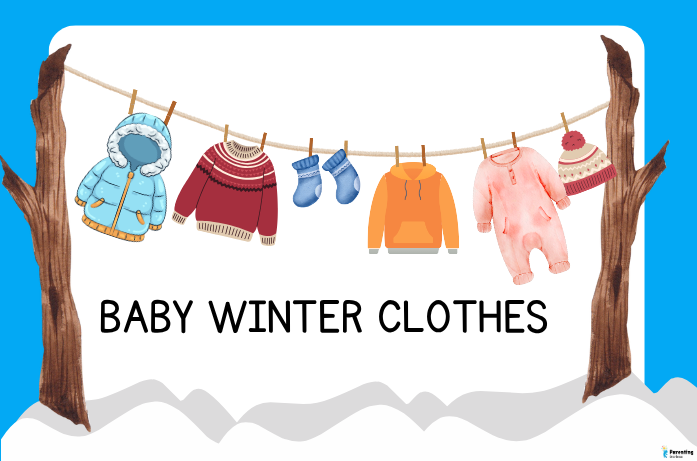
Winter with a baby feels magical, tiny hats, fluffy socks, warm snuggles, and the excitement of dressing your little one in the cutest baby winter clothes. But as temperatures drop, every parent wonders: Is my baby warm enough? Should I add another layer? What should they wear outside?
The good news is that winter dressing doesn’t have to be confusing. With the right baby winter clothes and simple layering techniques, you can keep your little one warm, cozy, and safe without overheating. Start with breathable cotton base layers, add soft mid-layers for insulation, and finish with a wind-proof jacket or snowsuit when heading outdoors. Hats, mittens, and warm socks make a big difference too, babies lose heat quickly from their head and feet.
With this parent-friendly guide, you’ll learn how to choose the right baby winter clothes, layer them safely, and keep your little one snug, happy, and comfortable all season long.
Here’s a simple, parent-friendly guide to winter dressing, layering tips, and must-have baby winter essentials.

1. Start with Soft, Breathable Base Layers
The base layer sits closest to your baby’s skin, so it should always be soft, comfortable, and breathable. This layer not only helps retain warmth but also absorbs moisture, keeping your baby’s skin dry and comfortable. Great options include cotton bodysuits, long-sleeve vests, or soft thermal inners. Especially in winter, the base layer protects your baby’s delicate skin from direct contact with cold air or rough fabrics like wool, ensuring they stay cozy and happy.
Great options include:
- Cotton bodysuits
- Long-sleeve vests
- Soft thermal inners (for very cold areas)
Parent Tip:
Avoid wool directly on bare skin. It can feel itchy or cause rashes. Always use a cotton layer underneath.
2. Add Warm Layers, Without Overdoing It
Once the base layer is on, you can add lightweight warm layers depending on the temperature. Mid-layers provide extra warmth and help retain your baby’s body heat without causing overheating. Good options include light sweaters, fleece jackets, or soft knitted cardigans. The advantage of layering is that each piece can be easily added or removed, ensuring your baby stays comfortably warm and safe in winter. Proper layering keeps your little one cozy, happy, and protected from the cold.
Good mid-layers are:
- Light sweaters
- Fleece jackets
- Soft knitted cardigans
Layers are better than thick clothing because they trap warmth and can be easily removed if your baby feels too warm.
3. Choose a Good Winter Jacket or Snowsuit
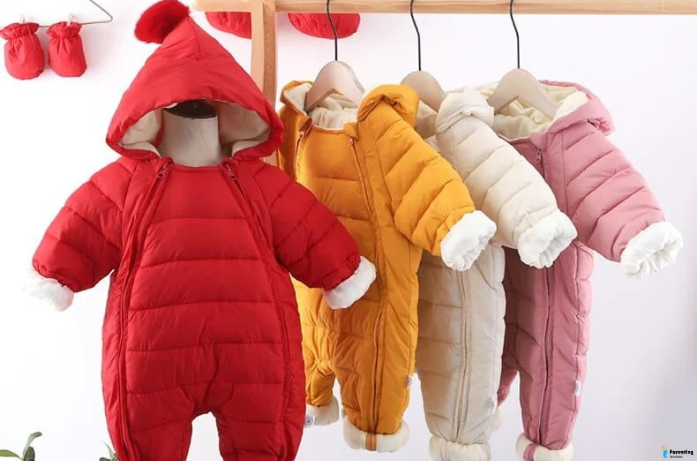
For outings or outdoor walks, your baby will need an extra layer of warmth to stay protected from the cold. The right winter jacket or snowsuit not only retains heat but also shields your little one from wind and light snow. Padded jackets, fleece-lined hoodies, or fully insulated snowsuits are great options. Choose outerwear that is lightweight, comfortable, and allows your baby to move freely while keeping them safe and cozy.
Winter outerwear options:
- Padded jackets (mild to moderate cold)
- Snowsuits (very cold weather or snow)
- Fleece-lined hoodies
Choose jackets that are:
- Easy to put on
- Lightweight yet warm
- Safe with no loose strings
- Comfortable for movement
4. Keep Head, Hands & Feet Covered
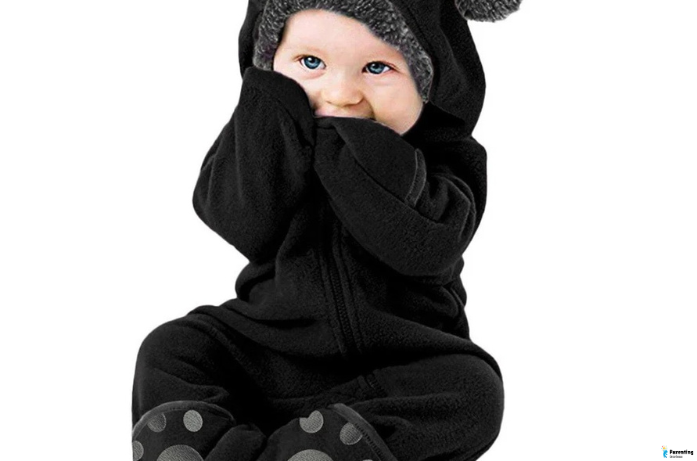
Babies lose most of their heat through their head and feet, so these areas need extra protection in winter. Soft woolen caps, mittens, warm socks, and booties for newborns help retain warmth effectively. Neck warmers are a safer alternative to scarves. Proper coverage of the head, hands, and feet keeps your baby cozy, protected from cold, and comfortable, allowing them to enjoy outdoor walks and playtime safely even in chilly weather.
Must-haves:
- Soft woolen caps
- Mittens
- Warm socks
- Booties (for newborns)
- Neck warmers (safer than scarves)
Safety Note:
Avoid scarves for babies, they can be risky. A simple, stretchy neck warmer works much better.
5. Winter Sleepwear, Safe, Warm & Snuggly
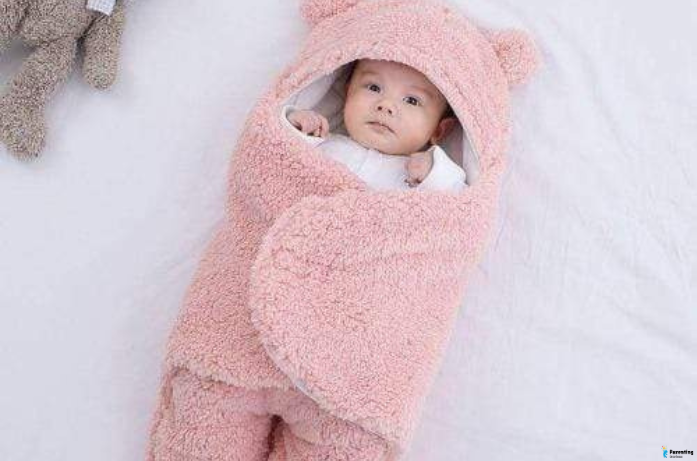
Nights get colder, but loose blankets aren’t safe for babies under 1 year, as they can pose a risk of suffocation or overheating. The American Academy of Pediatrics (AAP) advises parents to use wearable blankets or sleep sacks instead of loose bedding to reduce the risk of suffocation and Sudden Infant Death Syndrome (SIDS).Instead, opt for fleece sleepsuits, thermal pajamas, wearable blankets (sleep sacks), or footed sleepers. These options keep your baby warm, snug, and safe throughout the night without covering their face or causing overheating. Choosing the right winter sleepwear ensures your little one sleeps comfortably and securely during chilly nights.
Instead, go for:
- Fleece sleepsuits
- Thermal pajamas
- Wearable blankets (sleep sacks)
- Footed sleepers
These keep your baby warm all night without covering their face or causing overheating.
6. Choose Fabrics That Are Gentle & Warm
In winter, the right fabric matters more than thickness. Soft, breathable, and skin-friendly fabrics help keep your baby warm without causing sweating or discomfort. The best winter fabric options include cotton, fleece, wool blends (not directly on the skin), and knitted materials. Avoid rough wool or synthetic fabrics, as they can irritate your baby’s sensitive skin or make them feel too hot. Choosing the right fabric ensures comfort, warmth, and safe winter dressing for your little one.
Best winter fabrics:
- Soft cotton
- Fleece
- Wool blends (not directly on skin)
- Knitted fabrics
Avoid rough wool or synthetic fabrics that make your baby sweat or feel itchy.
7. How to Tell If Your Baby Is Too Cold or Too Warm
Babies can’t speak, but their little bodies give clear clues about how they feel. Cold hands, a chilly chest, or reduced activity may indicate your baby is too cold, while sweaty neck, flushed face, rapid breathing, or irritability are signs they are too warm. Paying attention to these signals and choosing the right layers helps keep your baby comfortable, safe, and cozy during winter. Observing your baby closely is key to proper winter care.
Signs your baby is cold:
- Cold chest or back
- Pale skin
- Cold arms and hands
- Less active or fussy
Signs your baby is too hot:
- Sweaty neck
- Red face
- Fast breathing
- Damp hair
- Irritability
Rule of Thumb:
Dress your baby in one layer more than what you’re wearing.
8. Avoid Puffy Jackets in Car Seats
Puffy jackets may look warm, but they are unsafe in car seats.The National Highway Traffic Safety Administration (NHTSA) recommends removing bulky coats before buckling your baby into a car seat to ensure the harness fits snugly and provides maximum protection.These jackets create extra space under the straps, which can make the harness loose during a sudden stop or accident, compromising your baby’s safety. Instead, dress your baby in light indoor clothing, securely tighten the straps, and place a warm blanket over the harness for added comfort. This ensures your little one stays both safe and cozy during winter car rides.
What to do instead:
- Buckle your baby in normal indoor clothes
- Tighten the straps
- Place a warm blanket over the straps
Safe and cozy, without compromising protection.
9. Baby Winter Clothes Checklist
A simple list to make winter shopping stress-free:
- Thermal vests
- Long-sleeve bodysuits
- Fleece jackets
- Sweaters/cardigans
- Woolen caps
- Mittens
- Warm socks or booties
- Winter blanket
- Sleep sack
- Soft leggings or joggers
- Snowsuit (if needed)
(FAQs)
1. How many layers should I dress my baby in during winter?
A good rule of thumb is one more layer than what you’re wearing. Start with a soft, breathable base layer, add a mid-layer for insulation, and top with a warm outer layer for outdoors.
2. Are puffy jackets safe for car rides?
No. Puffy jackets can compress in car seats, making harnesses loose and unsafe. Instead, dress your baby in regular indoor clothes, buckle them securely, and place a blanket over the straps for warmth.
3. What fabrics are best for baby winter clothing?
Soft, breathable, and skin-friendly fabrics like cotton, fleece, wool blends (not on bare skin), and knitted materials keep babies warm without causing sweating or irritation.
4. How can I tell if my baby is too hot or too cold?
Check your baby’s chest or back: cold skin, pale color, or fussiness may indicate they are too cold; sweaty neck, flushed face, or rapid breathing shows they are too warm.
5. Are hats, mittens, and socks necessary indoors?
Indoors, these are often optional unless your home is particularly cold. Focus on keeping your baby warm but not overheated, adjusting layers as needed.
Final Thoughts: Keep It Cozy, Not Complicated
Babies don’t need bulky layers or fancy winter outfits. They simply need soft, warm, well-fitted layers, baby winter clothes that keep them comfortable indoors and outdoors. Trust your instincts, check their chest or back for warmth, and adjust layers as needed.
Winter with your little one is full of precious moments, warm cuddles, tiny mittens, and memories you’ll cherish forever.
Keep your baby safe, warm, and cozy all winter! Explore for more expert tips on baby care, winter essentials, and safe clothing advice.
Visit ParentingStories for practical parenting guides and winter baby care tips!
Disclaimer
This article is for informational purposes only. Every baby is unique, and indoor/outdoor temperatures may vary. Always monitor your baby’s comfort, avoid overheating, and consult a pediatrician if you have any concerns about winter clothing, layering, or safety.