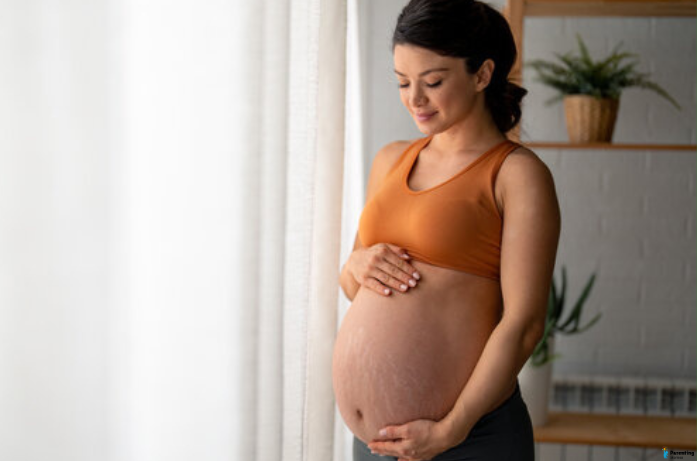
Pregnancy stretch marks are one of the most common, and honestly, one of the most natural, parts of pregnancy. As your baby grows day by day, your body starts creating space in the most beautiful way possible. And in this gentle process of change, your skin stretches slowly, leaving soft little lines on your belly, hips, breasts, or thighs.
A lot of moms look at these marks and feel worried or self-conscious. It’s normal to feel that way, after all, your body is changing faster than you expected. But here’s something every mom deserves to hear:
Stretch marks are completely normal.
They’re not flaws. They’re not something to hide. They’re signs of strength, proof that your body is working hard, growing life, and supporting a tiny human who depends entirely on you.
When you look at these lines, know that each one carries a story of love, growth, and resilience. Your body is doing something incredible, something only a mother’s body can do.
This gentle guide will help you understand why pregnancy stretch marks appear, how you can care for your skin with comfort, and what truly helps, without pressure, without unrealistic promises, just real support for real moms.
Why Do Pregnancy Stretch Marks Happen ?
Stretch marks appear when the middle layer of your skin stretches faster than it can comfortably handle. As your body changes during pregnancy, the skin sometimes struggles to keep up, which leads to those soft little lines. A quickly growing belly, hormonal shifts, rapid weight gain, dry skin, or even family history can all play a role. These marks often start out pink or reddish, but with time, especially after delivery, they gently fade and become much lighter and less noticeable.
Common causes of pregnancy stretch marks:
- Your belly grows quickly
- Hormonal changes make skin more sensitive
- Family history (If your mom had them, you may too)
- Rapid weight gain
- Dry skin
They usually start as pink, red, or purple lines and slowly fade to lighter marks after delivery.
For a medically reviewed explanation of why stretch marks form, you can also refer to this detailed guide from the Cleveland Clinic.
When Do Pregnancy Stretch Marks Appear?
Most moms notice them in:
- Second trimester (around 20 weeks)
- Sometimes earlier for second pregnancies
- Sometimes not until the last few weeks
Each body is different, and every journey is unique.

4 Expert Tips to Prevent Stretch Marks During Pregnancy
You may not be able to completely prevent stretch marks, and that’s perfectly okay. What you can do is take gentle care of your skin so it stays healthy, soft, and deeply nourished throughout your pregnancy. A little daily care goes a long way in helping your skin feel comfortable and supported during this beautiful change.
1. Moisturize Daily
When choosing a cream or oil for your skin, pick something that truly nourishes and comforts it. Look for products made with ingredients like shea butter, cocoa butter, vitamin E, sweet almond oil, or coconut oil. These help keep your skin soft, hydrated, and supported as it stretches during pregnancy. And when you apply them with a gentle massage, they work even better, giving your skin the extra care it needs.
- Shea butter
- Cocoa butter
- Vitamin E
- Sweet almond oil
- Coconut oil
Massage your belly, hips, breasts, and thighs twice a day.
2. Stay Hydrated
Water is one of the simplest yet most effective ways to keep your skin elastic and healthy from within. When you stay well-hydrated throughout the day, your skin can handle stretching more comfortably and feels much softer. Try to drink around 8–10 glasses of water daily. It not only supports your skin but also helps your whole body feel fresher, lighter, and more balanced during pregnancy.
3. Eat Foods That Support Skin Health
Include:
- Avocados
- Nuts and seeds
- Eggs
- Fruits and leafy greens
These nourish the skin and help it stretch better.
4. Maintain a Steady Weight
Gaining weight slowly and healthily during pregnancy is really beneficial for your skin. When weight doesn’t increase suddenly, your skin has time to stretch comfortably and stays soft and elastic. This also helps reduce the chances of developing stretch marks. By paying attention to a balanced diet and gentle physical activity, you can make this process smoother and safer for your body while supporting your skin’s natural elasticity.
Do Pregnancy Stretch Mark Creams Really Work?
Creams can be really helpful in keeping your skin soft, moisturized, and comfortable, and they often reduce the itchiness that comes with a growing belly. But expecting them to completely prevent stretch marks isn’t always realistic. What they truly do is support your skin, make it feel calmer, and help it stretch more comfortably during pregnancy. And even with regular use, if stretch marks still appear, remember, it’s completely normal.
Some moms see improvement with:
- Hyaluronic acid
- Retinoid creams (only after delivery, never during pregnancy)
- Dermatologist-approved treatments
Remember: It’s normal if you still develop stretch marks.
According to research published in PMC (Pregnancy-related skin changes and management, using targeted creams and treatments can improve skin elasticity and reduce discomfort, though complete prevention of stretch marks isn’t always possible.
Natural Home Remedies for Pregnancy Stretch Marks
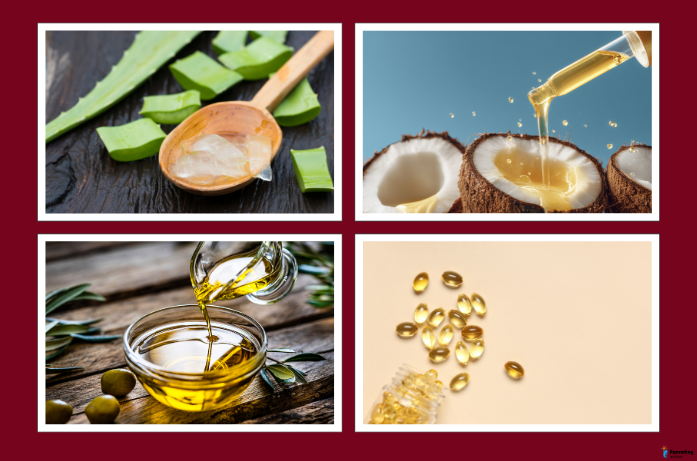
These home remedies may not completely erase stretch marks, but they do a wonderful job of nourishing and calming your skin. Aloe vera gel, coconut oil, an olive oil massage, or applying the oil from vitamin E capsules can all help keep your skin soft and comfortable. With regular use, these gentle remedies can gradually lighten the appearance of stretch marks and make your skin feel more cared for during this journey.
- Aloe vera gel
- Coconut oil
- Olive oil massage
- Vitamin E capsules (apply oil on skin)
They help lighten marks with regular use.
When Stretch Marks Feel Like a Big Deal
Many moms naturally feel emotional when they notice these changes in their bodies, and that reaction is completely okay. There’s nothing wrong or weak about feeling this way. Your body is working every single day to grow a new life, and sometimes these changes can feel overwhelming. Just remind yourself that this journey is beautiful in its own way, and you’re not alone in how you feel, so many other moms have been right where you are.
Just remember:
Your body is growing a whole new life
These lines fade with time
You are beautiful, with or without marks
Stretch marks don’t take away your strength, your glow, or your motherhood.
FAQs: Pregnancy Stretch Marks
1. When do pregnancy stretch marks usually appear?
Most moms notice them during the second or third trimester, as the belly grows faster.
2. Can stretch marks be completely prevented?
Not always. Moisturizing helps, but genetics, hormones, and skin type play a big role.
3. Do stretch marks go away after delivery?
They don’t fully disappear, but they fade significantly over time from red/purple to soft white or silver.
4. Which oils or creams help?
Coconut oil, shea butter, cocoa butter, or vitamin E can help keep skin soft and reduce itchiness.
5. Are stretch marks harmful?
Not at all. They are harmless, painless, and completely normal.
6. Can I use retinol creams for stretch marks during pregnancy?
No. Retinol should be used only after delivery and only if recommended by your dermatologist.
Final Thoughts: Your Body Is Doing Something Amazing
Pregnancy changes your body in ways you never imagined, and every stretch, every mark tells the story of your baby’s journey inside you.
Care for your skin, stay healthy, stay hydrated… but also be kind to yourself.
Your stretch marks are not flaws.
They are reminders of love, growth, and the incredible work your body is doing.
Want more real, simple, heart-centered pregnancy tips?
Visit ParentingStories your safe, comforting space for relatable advice, mom-to-mom support, and guides that truly understand your journey.
Disclaimer
This article is for educational and supportive purposes only. Every mother’s body is unique. Always speak to your doctor or dermatologist before starting any new skin treatment during pregnancy.