The journey through pregnancy weeks is filled with tiny miracles, emotional shifts, and beautiful changes happening inside your body. Each week brings new growth, tiny fingers forming, a strengthening heartbeat, and gentle flutters that eventually become sweet kicks. Understanding your pregnancy weeks helps you follow your baby’s development, recognize normal symptoms, and care for yourself with more confidence and calm. This gentle guide walks you through your baby’s growth, week by week, with support and love for your motherhood journey.
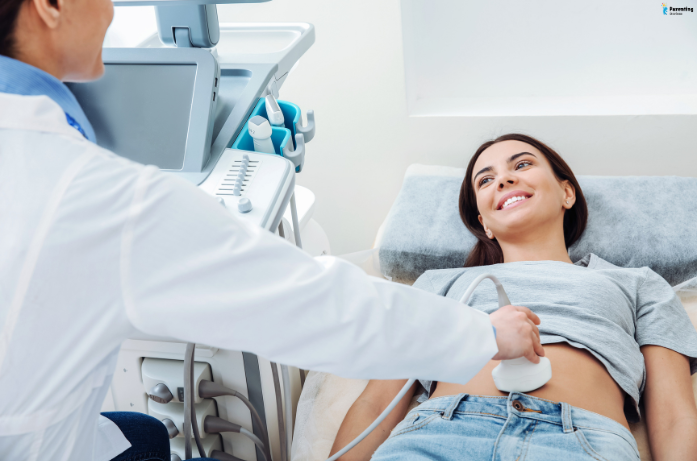
Pregnancy Weeks: First Trimester (Weeks 1–12)
The beginning of a tiny miracle, this phase marks the foundation of your baby’s entire development. In these early weeks, vital organs begin to form, the heartbeat appears, and your body starts adjusting to support new life. Proper nutrition, rest, and early prenatal care become especially important during this stage.
Pregnancy Weeks 1–4: The Start of Life
Before you even know you’re pregnant, something incredible is already happening. Your egg meets the sperm → a tiny cell is formed → it travels to your uterus → and finds the perfect spot to implant. By week 4, a small gestational sac forms, your baby’s very first home. During this time, the hCG hormone begins rising rapidly, which may lead to early pregnancy signs like mild fatigue, breast tenderness, or light spotting. These changes show that your body is preparing to support a healthy pregnancy and create the foundation for your baby’s development.
Pregnancy Weeks 5–6: When the Heart Begins to Beat
This is when things truly feel real. Your baby’s heart starts beating, and in many early scans, that tiny flicker becomes visible, a magical moment for every parent. Little buds also begin to form, which will soon grow into tiny arms and legs. Around this stage, the brain, spinal cord, and major organs start developing rapidly. You may also notice early pregnancy symptoms becoming stronger, such as nausea, tiredness, or increased sensitivity to smell, as your body works hard to support your baby’s growth.
Weeks 7–8: Tiny Features Start Appearing
Your little one now develops early facial features, a rapidly growing brain, and a body about the size of a blueberry. So tiny, yet growing so beautifully. During this stage, the baby’s eyelids begin to form, the nose starts taking shape, and the neural pathways in the brain expand quickly. The beginnings of fingers and toes may also appear as small ridges. Inside your body, the placenta becomes more active, providing essential nutrients and oxygen to support this rapid development.
Pregnancy Weeks 7–8: Early Features Form
Your baby now has tiny fingers and toes, delicate eyelids, and gentle early movements, even though you won’t feel them just yet. During weeks 9–12, major organs like the liver, kidneys, and intestines begin functioning, and the baby’s heartbeat becomes stronger and more rhythmic. For mothers, this phase often brings morning sickness, fatigue, mood swings, and food aversions as hormones rise rapidly. These changes are normal and show that your body is working hard to protect, nourish, and support your growing little one.
According to ACOG, by week 12, your baby’s organs begin functioning, and early movement starts.
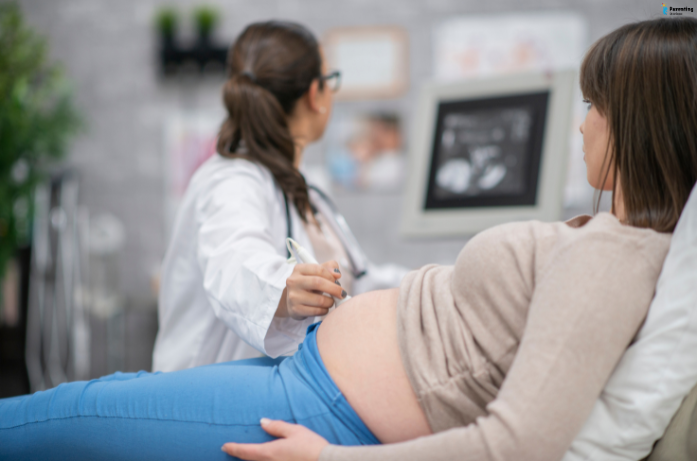
Pregnancy Weeks: Second Trimester (Weeks 13–27)
Often considered the most enjoyable and exciting phase, the second trimester brings more energy, reduced nausea, and baby growth week by week, as well as the joy of feeling your baby’s first movements. During this time, your baby grows quickly, and facial features and senses begin to develop more clearly.
Pregnancy Weeks 13–16: Early Flutters & Movement
Your baby becomes more active, and around week 1,6 you may feel those first soft kicks, like fluttering wings. This stage marks a major milestone as your baby’s muscles strengthen and movement becomes more coordinated. You may also notice patterns forming, with your baby becoming active at certain times of the day. Inside the womb, the baby’s bones continue to harden, their senses develop, and they start reacting to light and sound. These early flutters not only feel magical but also signal healthy growth and development.
Baby can now:
- Suck their thumb
- Make tiny facial expressions
- Hear the sounds around them
Pregnancy Weeks 17–20: Halfway Baby Growth
This is often when parents find out their baby’s gender (if they wish). During weeks 17–20, your baby’s senses sharpen rapidly, and they can now hear your heartbeat and begin recognizing your voice. Their nervous system becomes more refined, helping them respond to sounds and gentle movements. This period also marks the development of stronger bones, clearer facial features, and a growing layer of fat that helps regulate body temperature. Many mothers also start feeling stronger, more defined kicks as the baby becomes more active.
According to Mayo Clinic, hearing develops, and babies can respond to sound around week 18.
Pregnancy Weeks 21–24: Strength & Sensory Development
Your baby’s brain, lungs, and digestive system develop quickly during this stage, making weeks 21–24 a period of rapid growth. The baby’s sleep–wake cycles become more regular, and they may even respond to music or gentle touches on your belly. Their skin starts to gain more layers, and tiny taste buds become active. Meanwhile, you may notice stronger movements as muscles strengthen. This phase is important for staying hydrated, eating nutrient-rich foods, and maintaining regular prenatal checkups to support your baby’s development.
You may feel:
- Stronger kicks
- Mild back pain
- Heartburn
Your little one is now about the size of a papaya, growing beautifully inside you.
Pregnancy Weeks 25–27: Baby Responds to Sound
Your baby can now respond to music, voices, and even gentle touches on your belly. Their heartbeat grows stronger, and they begin developing a clear sleep–wake cycle. Around this stage, the baby’s lungs continue to mature, and their brain forms important neural connections that support movement and sensory development. You may notice rhythmic kicks or slight jumps when the baby reacts to loud sounds. This period is also when the baby starts gaining more fat, helping regulate body temperature after birth.
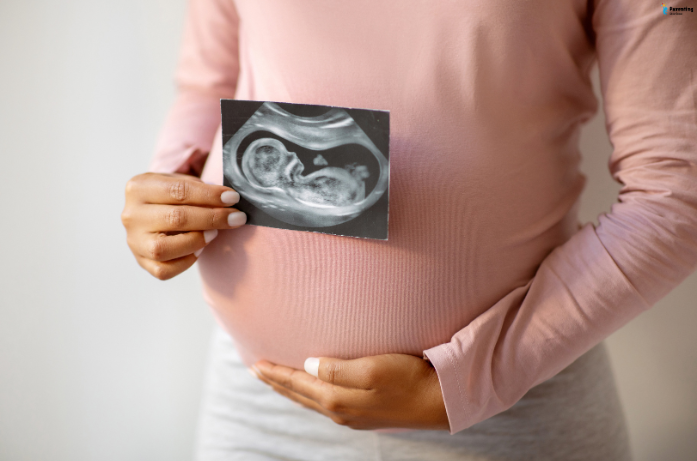
Pregnancy Weeks: Third Trimester (Weeks 28–40)
Preparing for the beautiful moment when you meet your baby, the third trimester is all about final growth, stronger movements, and your body getting ready for labor. This stage brings excitement, nesting instincts, and important checkups to ensure a safe, healthy delivery.
Pregnancy Weeks 28–32: Baby Gains Fat & Brain Growth
Your baby gains more fat and starts looking more like a newborn during weeks 28–32. Their skin becomes smoother, and their muscles grow stronger as they practice movements inside the womb. At this stage, your baby can blink, open and close their eyes, and follow a more regular sleep pattern. Their brain also develops rapidly, forming millions of neural connections every day. You may notice more defined kicks and even rhythmic hiccups. Meanwhile, your body may experience Braxton Hicks contractions as it naturally prepares for labor.
They can:
- Blink
- Open and close their eyes
- Sleep in patterns
You may also feel Braxton Hicks contractions, your body practicing for birth.
The CDC confirms that during the third trimester, brain development is at its fastest, and fat begins forming under the baby’s skin.
Pregnancy Weeks 33–36: Baby Prepares for Birth
By this stage, your baby usually moves into a head-down position, making it easier for birth to progress smoothly. Their lungs and brain continue to mature, allowing them to breathe and respond better after birth. The baby also gains more fat, practices breathing movements, and becomes more alert to sounds outside the womb. These important developments ensure your little one is getting fully ready for a healthy and safe arrival into the world.
You might feel:
- Tired more often
- Pelvic pressure
- Frequent bathroom trips
Your body is preparing beautifully for labor.
Pregnancy Weeks 37–40: Full Term & Ready to Arrive
Your baby is now fully developed and can arrive any day, making this period both exciting and emotional. Their movements may feel slower but stronger as space becomes limited, and you might notice increased heaviness in your belly. Early signs of labor, such as lightening (baby dropping lower), frequent urination, stronger Braxton Hicks contractions, or a bloody show, may begin to appear. Many moms also experience nesting instincts as the body prepares for birth. With everything progressing beautifully, your long-awaited moment of holding your little one is just around the corner.
FAQs About Pregnancy Weeks
Q1. When will I start feeling my baby move?
Most moms feel the first flutters between 16 and 20 weeks, though it can vary. First-time moms may feel movements a little later.
Q2. Is it normal to feel very tired in early pregnancy?
Yes. Fatigue is one of the most common early symptoms as your body works hard to support your baby’s development.
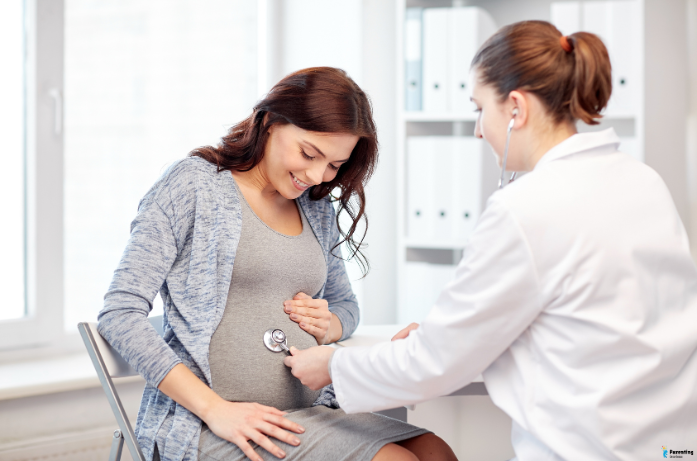
Q3. How often should I have prenatal checkups?
Typically, once a month in early pregnancy, every two weeks in the second half, and weekly near your due date, unless your doctor advises differently.
Q4. When should I worry about reduced baby movement?
If your baby’s movements suddenly decrease after 28 weeks, contact your doctor immediately for safety.
Q5. Can stress affect my pregnancy?
Mild stress is normal, but chronic stress can impact your health. Gentle routines, rest, hydration, and emotional support can help.
Final Thoughts: Pregnancy Weeks & Your Beautiful Journey
Pregnancy is not about doing everything perfectly; it’s about embracing the changes, listening to your body, and giving yourself grace. Every week brings you closer to the moment you’ll finally hold your baby in your arms.
You’re creating life.
You’re growing a little heart.
And you’re doing an amazing job, one week at a time.
Every week of pregnancy is a new chapter filled with growth, hope, and beautiful changes.
For more gentle guides, weekly pregnancy tips, and heartwarming stories,
Follow ParentingStories, your safe and comforting space for motherhood.
Disclaimer
This article provides general, informational guidance about pregnancy. Every woman’s body, symptoms, and pregnancy experience are unique. For any concerns about pain, movement, symptoms, or medical conditions, always consult your doctor, midwife, or healthcare professional for personalized advice.