
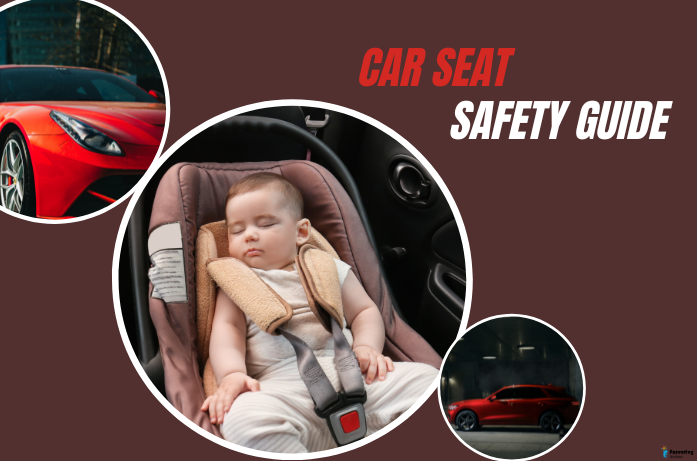
Your baby’s first car ride is a moment you’ll always remember, full of excitement, a little nervousness, and lots of love. It’s also one of the very first times your baby depends on you completely for their safety. A car seat isn’t just another baby item to buy; it’s one of the most important protections you can give your child. When the right infant car seat is chosen and used properly, it helps keep your baby safe during sudden stops, sharp turns, or unexpected accidents. Understanding car seat safety for babies early helps you travel with confidence, knowing your little one is secure every time you step into the car.
This car seat safety guide is written in a simple, parent-friendly way to help you feel confident every time your baby travels in a car.
Why Car Seat Safety for Babies Matters
Car accidents are one of the most common causes of injury in children, especially because their bodies are still developing and more vulnerable to sudden impact. Even a minor collision or sudden stop can cause serious harm if a child is not properly protected. Choosing the correct baby car seat that suits your child’s age and size, and installing it correctly, adds a strong layer of safety during every ride. Studies show that when used the right way, a car seat can reduce the risk of serious injury by more than 70%, making it an essential part of keeping your child safe on the road.
Car seats protect your baby by:
- Supporting the head, neck, and spine
- Absorbing crash impact
- Keeping the baby securely positioned
According to the American Academy of Pediatrics (AAP), using the correct car seat for a child’s age, height, and weight significantly reduces the risk of serious injury or death in car crashes.
Choosing the Right Car Seat by Age
Newborns & Infants (0–2 years)
- Rear-facing car seat only : At this age, a baby’s head and neck are still very delicate. A rear-facing car seat spreads the force of a sudden stop or crash across the baby’s entire body, helping reduce strain on the head and neck.
- Must be installed in the back seat : The back seat is the safest place for a child. Front seats have airbags that can cause serious injury to a baby during an accident, even at low speeds.
- Supports fragile neck and spine : A newborn’s spine and neck are not fully developed. A properly designed car seat provides gentle, even support, protecting the baby from sudden movements and jolts during travel.
Keep your child rear-facing as long as possible (minimum till 2 years, ideally longer).
Toddlers (2–4 years)
- Rear-facing convertible seat (preferred) : Keeps your child in a safer rear-facing position for longer, offering better protection as they grow.
- Forward-facing only when height/weight limit is reached : Switch to forward-facing only after your child outgrows the rear-facing limits for added safety.
Young Children (4–8 years)
- Forward-facing seat with harness : This seat keeps your child securely positioned and provides better control and protection during sudden stops or accidents.
- Later, transition to a booster seat : As your child grows, move to a booster seat so the car’s seat belt fits properly and safely.
Older Kids (8+ years)
- Use a booster seat until the seat belt fits correctly : A booster seat helps raise your child to the right height so the car’s seat belt sits safely on the body.
- Lap belt across thighs, shoulder belt across chest : The lap belt should rest on the upper thighs, not the stomach, while the shoulder belt should cross the chest, away from the neck, for proper protection.
Correct Car Seat Installation Tips
A perfectly chosen seat won’t protect your baby if it’s not installed correctly. For proper car seat safety for babies, Always read both:
- Car seat manual : This manual provides detailed instructions on every feature of the car seat, including proper installation, harness adjustments, and age/weight limits. Reading it carefully is essential to ensure the seat is installed safely and correctly.
- Vehicle manual : This manual explains which seats and seat belt systems in your car are safest for installing a car seat. It includes guidance on seat belt routing, using the LATCH system, and the correct seat position, helping ensure a secure and proper installation.
Basic car seat installation safety rules:
- Seat should not move more than 1 inch side-to-side
- Harness should be snug (no slack)
- Chest clip at armpit level
- Straps should lie flat (no twists)
If unsure, get a car seat safety check from a certified technician.
The National Highway Traffic Safety Administration (NHTSA) provides detailed guidance on car seat installation, age-based seat selection, and free car seat inspection programs.
Harness & Positioning Safety
Following these tips ensures proper car seat safety for babies every ride.
- Baby’s back should be flat against the seat
- No bulky jackets under straps
- You shouldn’t pinch the harness at the shoulder
- Headrest adjusted as baby grows
Never place padding, pillows, or rolled towels unless provided by the manufacturer.
Common Car Seat Mistakes to Avoid
- Forward-facing too early
- Loose harness straps
- Winter jackets inside the seat
- Using expired or second-hand seats
- Installing in the front seat
Always check the car seat expiration date (usually 6–10 years).
Travel Safety Tips for Parents
- Take breaks on long trips
- Never leave baby alone in the car
- Remove toys hanging from the seat during travel
- Check straps every ride (babies grow fast!)
FAQs: Car Seat Safety for Babies & Kids
Q1. When should I switch my baby from rear-facing to forward-facing?
Experts recommend keeping your child rear-facing for as long as possible, at least until age 2, and ideally until they reach the maximum height or weight limit allowed by the car seat.
Q2. Is it okay to use a second-hand car seat?
It’s best to avoid second-hand car seats unless you know their full history. Never use a seat that’s been in an accident, is expired, or has missing parts.
Q3. Can my baby wear a winter jacket in the car seat?
No. Bulky jackets prevent the harness from fitting snugly. Dress your baby in thin layers and place a blanket over the harness if needed.
Q4. Where is the safest place to install a car seat?
The back seat is the safest place for children. The center position is often safest if it allows proper installation.
Q5. How tight should the harness be?
The harness should be snug enough that you can’t pinch any slack at the shoulder. The chest clip should always be at armpit level.
Final Thoughts: Safe Rides, Peaceful Hearts
Car seat safety for babies isn’t about fear, it’s about preparation. When your baby is buckled correctly in the right seat, every ride becomes safer and more relaxed for the whole family.
Take your time choosing the right car seat, install it carefully, and don’t hesitate to ask for help. A few extra minutes can make a lifelong difference.
Your baby depends on you, and you’re doing great.
Global road safety data from the World Health Organization highlights that correct child restraint use plays a major role in reducing serious injuries and fatalities among infants and children worldwide.
Parenting is full of learning moments, and every ride, every decision counts.
For more real-life parenting tips, safety guides, and honest experiences, explore Parenting Stories.
Disclaimer: This article is for general informational purposes only and does not replace professional medical or safety advice. Always follow manufacturer instructions and local safety regulations, and consult a certified car seat technician or pediatrician if you have questions about car seat installation or child travel safety.