
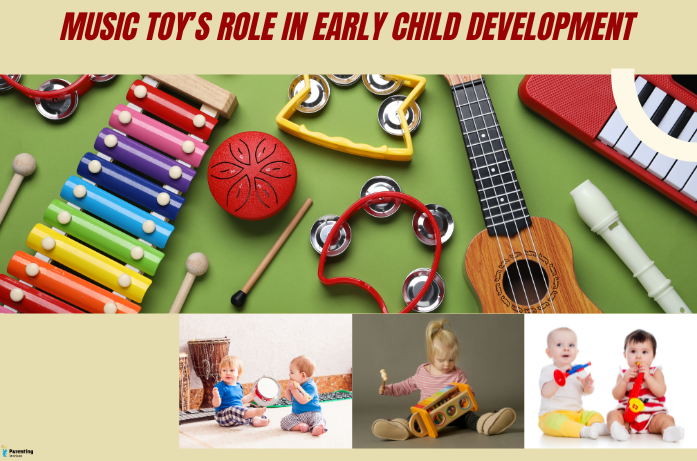
From the gentle shake of a rattle to the cheerful tapping on a toy drum, music toys in early child development often become some of a child’s earliest and most comforting companions. While they may appear simple at first glance, these musical toys for babies hold much deeper value for babies and toddlers. The soft sounds they create invite curiosity and help children learn in a natural, enjoyable way.
Music toys for early child development are not just for entertainment. They play a meaningful role in brain development through music, improving motor skills, encouraging early language growth, and helping children express their emotions with ease. During early childhood, when the brain is developing rapidly, these small musical moments can leave a positive and lasting impression. This is why early child development toys truly deserve a special place in a child’s everyday play and learning experiences.
Let’s explore how music toys support early child development and why they deserve a place in your child’s everyday play.
1. Boosting Brain Development
In the early years, a child’s brain grows rapidly, shaping the foundation for future learning. Music toys for early child development support this growth naturally. Simple sounds and rhythms catch a child’s attention, spark curiosity, and encourage them to listen and respond. Learning feels playful rather than forced, helping the child’s mind grow strong, balanced, and ready for the years ahead.
When babies interact with sensory toys for babies press a button and hear a sound, or shake a rattle and notice a rhythm, they are learning:
- Cause and effect
- Memory and attention
- Pattern recognition
According to the ZERO TO THREE, early sensory experiences such as sound, rhythm, and movement play an important role in building healthy brain connections interact with sensory toys for babies.
2. Supporting Motor Skills (Fine & Gross)
Music toys for early child development naturally keep toddlers active and curious. As they press, shake, and move with the sounds, different muscles work together. This playful movement builds body awareness, coordination, and confidence, supporting healthy physical development in a fun and natural way.
How music toys help:
- Shaking rattles helps strengthen hand and wrist control
- Pressing keys or buttons improves finger coordination
- Dancing or bouncing to music supports balance and body awareness
These small movements build the foundation for later skills like writing, drawing, and coordinated play.
The Centers for Disease Control and Prevention (CDC) notes that activities involving movement, hand use, and coordination support both fine and gross motor development in infants and toddlers.
3. Encouraging Language and Communication
Before babies begin to speak, they learn a lot through listening. Music toys for early child development introduce them to a variety of sounds and tones, helping their brains recognize patterns and structures similar to natural speech. This early exposure trains children to distinguish different sounds, understand how they connect, and lays a strong foundation for clear, confident communication as they grow.
Singing toys, musical books, or sound buttons help children:
- Recognize different sounds
- Learn rhythm and timing in communication
- Build early vocabulary (especially toys with simple words or songs)
According to guidance shared by the American Academy of Pediatrics, talking, singing, and interactive play are some of the best ways to support early language development, and educational music toys fit beautifully into this.
4. Emotional Expression and Social Skills
Music has a deep connection with children’s emotions, even from a very young age. Gentle, soothing melodies can help a child feel safe and calm, while energetic rhythms can boost their excitement and curiosity. Engaging with Music toys for early child development allow children to understand and manage their emotions, supporting balanced emotional growth and helping them develop a positive sense of self from early on.
Music toys help children:
- Express feelings through movement and sound
- Self-soothe during stress or overstimulation
- Learn turn-taking and sharing during group play
When parents sing along or play together, music toys also strengthen bonding and social connection.
5. Building Creativity and Imagination
There’s no set right or wrong way to play with a music toy, and this freedom encourages children to explore and experiment. When they decide how to play or which sounds to follow, they get to express their imagination fully. This open-ended experience helps them take creative risks, try out new ideas, and build confidence, gradually strengthening their overall creative abilities.
A toddler might:
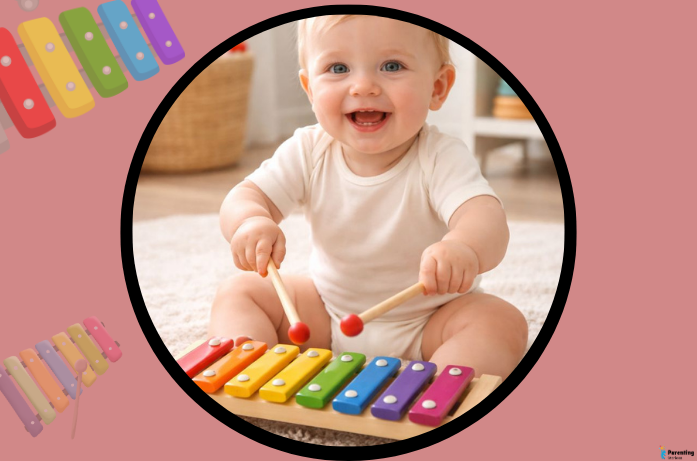
- Pretend a xylophone is a piano on a big stage
- Create their own rhythm with drums
- Make up songs with toy microphones
This open-ended play with music toys for early child development supports imagination, confidence, and problem-solving, skills that matter far beyond childhood.
6. Choosing the Right Music Toys for Early Child Development
Not all music toys for early child development are the same. Some simply produce sound, while others are designed to actively engage children, encouraging exploration, play, and learning. Choosing the right music toy should align with your child’s age and developmental needs, ensuring that playtime effectively supports both mental and physical growth while keeping the experience fun, safe, and stimulating.
For babies (0–12 months):
• Soft Rattles
Soft rattles are easy for babies to hold and shake. They produce gentle sounds, helping infants understand cause and effect while safely developing hand strength and coordination.
• Simple Bells
Simple bells create clear, distinct tones that capture a baby’s attention. They support listening skills and sensory exploration, helping little ones recognize different sounds and patterns.
• Toys with Gentle Sounds and Lights
These toys combine soft sounds with subtle lights to engage multiple senses at once. They encourage curiosity, focus, and early cognitive development, making playtime both calming and enjoyable for young children.
For toddlers (1–3 years):
• Xylophones
Xylophones allow children to play different musical notes using mallets. They help kids understand pitch, tone, and rhythm while improving hand-eye coordination and fine motor skills.
• Toy Drums
Toy drums give children the chance to create their own beats and explore rhythm. Playing drums supports gross motor skills, timing, and body awareness, while also offering a fun way to express energy and creativity.
• Push-Button Music Toys with Cause-and-Effect Features
These toys produce sounds or music when buttons are pressed, helping children understand that actions have consequences. They encourage problem-solving, curiosity, and interactive play, making learning through music engaging and rewarding.
Parent Tip: Avoid overly loud or electronic-heavy toys. Simple, child-powered music toys often offer the most developmental value.
FAQs: Music Toys & Early Child Development
Q1. At what age can babies start using music toys?
Babies can safely enjoy simple music toys for early child development from birth, such as soft rattles or gentle sound toys.
Q2. Do music toys really help brain development?
Yes. Early sound and rhythm experiences support brain connections related to attention, memory, and learning.
Q3. Can music toys help with speech development?
Music toys support early listening skills, rhythm, and sound recognition, which are important foundations for language.
Q4. Are electronic music toys better than simple ones?
Not always. Simple, child-powered music toys often offer better developmental value than loud, overstimulating electronic toys.
Q5. How long should children play with music toys each day?
Short, joyful play sessions are enough. Even 10–15 minutes of interactive music play, especially with a parent, can be very beneficial.
Final Thoughts: Learning Through Playful Sound
Music toys for early child development are more than fun, they’re tools for growth. Through sound, rhythm, and movement, children learn about their bodies, their emotions, and the world around them.
You don’t need expensive instruments or complex gadgets. Even the simple educational music toy, when used with love and interaction, can support healthy early development.
At Parenting Stories, we believe learning happens in everyday moments, during play, laughter, and shared experiences.
If you enjoy gentle, practical parenting guidance like this, explore more real stories, expert-backed insights, and simple tips to support your child’s growth at every stage.
Disclaimer
This article is for informational and educational purposes only. It does not replace professional medical or developmental advice. Always consult a pediatrician or child development specialist if you have concerns about your child’s growth or behavior.