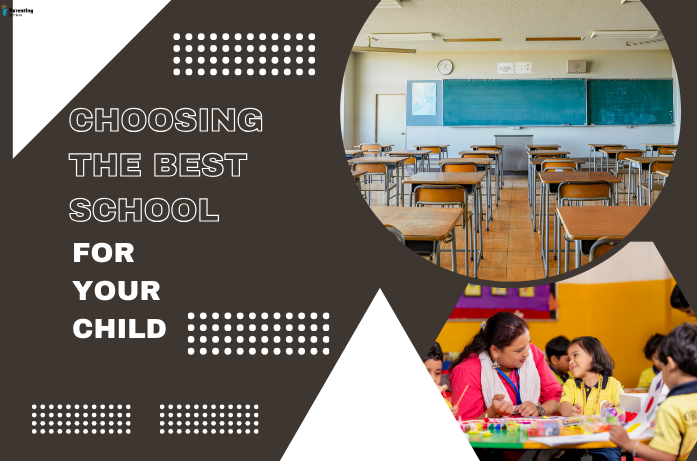
Choosing the best school for your child is one of the most emotional decisions parents make. It’s not just about academics, it’s about trust. You’re choosing a place where your child will spend a huge part of their day, learn how to think, make friends, handle challenges, and discover who they are.
It’s completely normal to feel overwhelmed while choosing a school for your child. Play school or preschool? Public or private? Academic-focused or activity-based? Every parent wonders the same thing:
Will my child be happy here?
The good news is this: there is no single perfect school, only the right school for your child and your family. This guide will help you look beyond rankings and advertisements and focus on what truly matters.
1. Start with Your Child, Not the School
Before comparing schools, pause and think about your child. Every child is unique in how they learn, feel, and respond to new environments. When you understand what makes your child feel comfortable, confident, and happy, choosing the best school for kids becomes much easier. The best school is one that supports who your child already is, rather than trying to change them.
Ask yourself:
- Is my child shy or outgoing?
- Do they learn best through play, structure, or hands-on activities?
- Do they need extra emotional support or independence?
- Are they energetic, creative, or academically inclined?
A school that suits one child perfectly may not suit another. Choosing the best school for your child that understands and supports your child’s personality, not one that tries to change it.
Parent tip: Trust what you know about your child, you’re their first and best observer.
2. Understand the Teaching Approach
Every school follows a certain way of thinking about how children should learn and grow, even if it isn’t clearly stated on their website or brochures. You can often sense this philosophy through the classroom environment, teaching style, daily routines, and how teachers interact with children. Understanding this is essential when learning how to choosing the best school for your child.
Some focus on:
- Structured academics and early reading/writing
- Play-based and experiential learning
- Montessori or child-led methods
- Balanced approaches combining academics and creativity
For younger children especially, research shows that play-based learning supports better emotional, social, and cognitive development in the long run.
According to the UNESCO, early education should focus on curiosity, social skills, and emotional well-being, not just early academics.
3. Observe the Teachers, They Matter More Than Buildings
Fancy classrooms and smart boards may look impressive at first, but a child’s real experience is shaped by the teachers they interact with every day. A caring, patient teacher creates a sense of safety, encourages curiosity, and can turn even a simple classroom into a positive and nurturing learning space.
When visiting a school, notice:
• Do they speak in a calm and kind manner?
• Are children listened to and treated with respect?
• Is discipline handled gently and in an age-appropriate way?
• Do teachers appear engaged, or do they seem rushed and overwhelmed?
A warm, patient teacher can make even a simple classroom into the best school environment for kids.
Ask during visits:
How do you handle a child who is struggling emotionally or academically?
4. Look at Class Size and Individual Attention
Smaller class sizes often mean:
- More one-on-one attention
- Better understanding of each child’s needs
- Stronger teacher–child relationships
Especially in early years, children thrive when they feel seen and understood.
If classes are large, ask how the school ensures individual attention.
5. Check the School Environment and Safety
A good school is one where children feel comfortable and secure the moment they walk in. The atmosphere should gently encourage curiosity and confidence, helping children feel at ease rather than anxious. When a school truly prioritizes children’s well-being, it becomes a place where they feel valued, supported, and happy to learn.
Look for:
- Clean classrooms and washrooms
- Safe playground equipment
- Secure entry and exit systems
- Clear safety and emergency policies
Just as important, notice how children look. Are they relaxed, curious, and engaged? That tells you more than any brochure.
6. Balance Academics with Life Skills
Marks do reflect academic progress, but they don’t capture a child’s overall growth. Children also need opportunities to build confidence, emotional understanding, and the ability to navigate real-life situations. When education values these qualities alongside academics, it helps children grow into balanced, capable individuals.
A strong school encourages:
- Communication and confidence
- Problem-solving and creativity
- Emotional regulation and empathy
- Teamwork and independence
Ask if the school includes:
- Art, music, and physical activity
- Social-emotional learning
- Opportunities for free play
The American Academy of Pediatrics emphasizes that balanced education supports long-term mental health and resilience in children.
7. Parent–School Communication Is Key
A good school treats parents as partners, not outsiders. Open communication builds trust and consistency for the child—an important factor when choosing the best school for your child.
Ask:
- How often do teachers share updates?
- Are parent-teacher meetings regular?
- How are concerns handled?
Open, respectful communication builds trust and ensures your child gets consistent support at home and school.
8. Consider Practical Factors (Without Guilt)
Considering practical factors when choosing the best school for your child is completely reasonable, and there’s no need to feel guilty about it. Keeping these in mind helps ensure that the school experience is smooth, balanced, and positive for both your child and your family.
Think about:
- Distance and daily travel time
- School hours and holidays
- Fees and additional costs
- Transport availability
A school that fits smoothly into your family’s routine reduces daily stress, for both you and your child.
9. Trust Your Instincts
After reviewing lists, visiting schools, and comparing options, take a moment to pause and reflect on your impressions. Listening to your instincts is important, as they often reveal which school truly feels right and comfortable for your child.
Ask yourself:
- Does this school feel like the right fit?
- Can I picture my child thriving here?
- Did my child seem at ease and happy during the visit?
Parents often sense the right choice before they can explain it. That instinct comes from love, and it matters.
FAQs: Choosing the Best School for Your Child
Q1. At what age should parents start looking for schools?
Many parents begin exploring options 6–12 months before admission, especially for preschool or kindergarten. Starting early gives you time to observe, visit, and decide calmly.
Q2. Is play-based learning better than early academics?
For younger children, play-based learning often supports better emotional, social, and thinking skills.
Q3. Do school rankings really matter?
Rankings can offer some information, but they don’t reflect how a school supports individual children. A school that feels right for your child matters more than its public image.
Q4. What if my child struggles after joining a school?
Adjustment takes time. Open communication with teachers and patience usually help. If concerns continue, discuss them early with the school rather than waiting.
Q5. How important is emotional support in school?
Very important. The American Academy of Pediatrics emphasizes that emotional safety and balanced learning strongly support long-term mental health and resilience.
Final Thoughts: The Best School Is Where Your Child Thrives
Choosing the best school for your child isn’t about chasing the top name, it’s about finding a place where your child feels safe, valued, and excited to learn.
Remember:
- Children learn best when they feel emotionally secure
- Happiness and confidence matter as much as academics
- Your involvement will matter more than any school label
At Parenting Stories, we believe the best school is one that supports not just bright minds, but happy hearts. And when a child feels loved, encouraged, and understood, learning follows naturally.
Disclaimer
This article is intended for general informational purposes only. It does not replace professional educational or child development advice. Every child is unique, parents are encouraged to consult educators, school counselors, or child development specialists for personalized guidance.