A baby cribs is more than just a piece of nursery furniture. It’s the place where your little one will sleep, rest, and grow, so picking the right crib really matters.
For parents, choosing a crib can feel a bit overwhelming. There are so many styles, sizes, and features out there, and it’s easy to get confused about what’s really important.
The truth is, a good crib doesn’t need to be expensive or fancy. What really matters is safety, sturdiness, and comfort.
In this guide, we’ll walk you through the different types of baby cribs, the key safety rules to follow, and what to look for so you can confidently choose the safest and most comfortable crib for your baby.
What Is a Baby Crib?
A baby crib is not just a small bed, it’s a safe and cozy space specially designed for infants and young toddlers. It has enclosed sides, either fixed or adjustable, that keep your baby secure and prevent accidental falls. At the same time, it’s designed to allow good airflow and let parents keep an eye on their little one easily. Essentially, a crib creates a safe little world where your baby can sleep, rest, and grow comfortably, giving both the child and the parents peace of mind.
Cribs are designed to support:
- Safe sleep posture
- Proper mattress firmness
- Protection from rolling or climbing out
Most babies transition to a crib from birth (or after using a bassinet) and may use it until 2–3 years of age.
Types of Baby Cribs
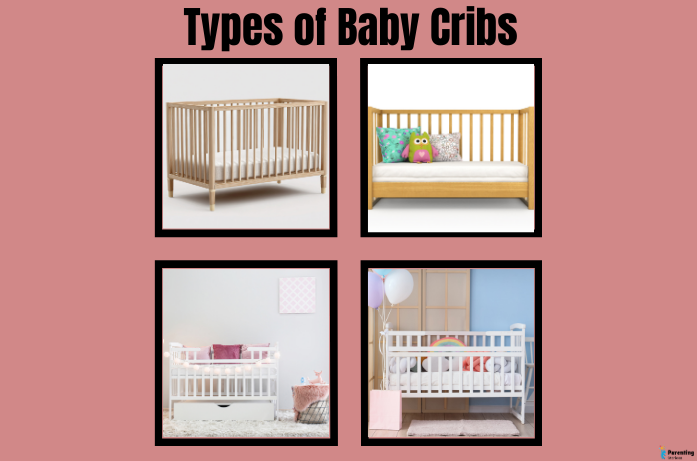
1. Standard Baby Crib
This is the most common and trusted type of crib that many families choose for their babies. It’s easy to use, keeps your little one safe, and also makes life a bit easier for parents. Suitable from newborn to toddler, it’s a practical and reliable choice that can be used for years.
Why parents choose it:
- Strong and long-lasting
- Adjustable mattress height
- Suitable from newborn to toddler
It’s a great all-in-one option for most families.
2. Convertible Crib
Convertible baby cribs are designed to grow with your child. What starts as a safe and cozy crib for a newborn can later be transformed into a toddler bed, a daybed, or sometimes even a full-size bed. That means you don’t have to buy a new bed every few years. These cribs last a long time and are a practical, reliable choice for parents.
They can change into:
- Toddler bed
- Daybed
- Sometimes even a full-size bed
Ideal for parents looking for long-term value.
3. Mini Crib
Mini baby cribs are smaller than standard cribs, but despite their size, they’re completely safe and comfortable for your baby. They’re especially great for parents who plan to share a room with their newborn during the first few months.
Best for:
- Small homes or apartments
- Room-sharing during early months
They’re compact but still need to meet full safety standards.
4. Portable or Folding Crib
Portable or folding baby cribs are designed for families who travel or need a temporary sleeping solution. They’re lightweight, easy to fold, and simple to set up. Despite their compact size, they meet all safety standards, ensuring your baby stays secure wherever they sleep.
Good for:
- Travel
- Grandparents’ homes
- Short-term sleeping arrangements
Always ensure the crib locks securely when opened.
Baby Crib Safety: Non-Negotiable Rules
Safety is the most important factor when choosing a safe baby crib.
According to the American Academy of Pediatrics, babies should sleep alone, on their back, on a firm surface, in a crib that meets safety standards.
Essential Crib Safety Checklist:
- Slats should be no more than 2⅜ inches apart
- Firm mattress that fits snugly with no gaps
- No drop-side rails (now banned in many countries)
- Stable frame with no wobbling
- Non-toxic paint and finishes
Never place pillows, blankets, stuffed toys, or crib bumpers inside the crib.
The U.S. Consumer Product Safety Commission sets strict crib safety standards, including slat spacing, mattress fit, and the ban on drop-side cribs due to serious injury risks.
Choosing the Right Crib Mattress
A crib’s safety doesn’t depend only on its structure, the mattress inside plays an equally important role. The right mattress provides proper support, fits securely, and helps create a safe and comfortable sleeping environment for your baby. On the other hand, a poorly chosen or ill-fitting mattress can compromise safety, which is why choosing the right one is just as important as choosing the crib itself.
When choosing a mattress, keep these things in mind:
- Firm (not soft or memory foam)
- Snug fit, no space between mattress and crib sides
- Waterproof or washable cover
- Breathable, baby-safe materials
If you can fit more than two fingers between the mattress and crib frame, it’s not safe.
Where Should the Crib Be Placed?
Experts recommend placing the crib in a location that supports your baby’s safety, comfort, and healthy sleep habits.
- For the first 6–12 months, it’s best to keep the crib in the parents’ room so you can stay close and respond to your baby easily.
- Place the crib away from windows, loose cords, or heaters, as these can pose safety risks.
- Choose a quiet, well-ventilated spot so your baby can sleep comfortably and peacefully.
When to Adjust or Stop Using the Crib
As your little one starts growing and reaching new milestones:
- Lower the mattress when baby starts rolling or sitting
- Lower again once baby can stand
As your little one starts growing and reaching new milestones:
- Baby climbs out
- Height exceeds crib guidelines
- Usually around 2–3 years
The right time to transition out of the crib isn’t just about age; it’s about what’s safest for your little one.
FAQs: Baby Cribs
Q1. Can a newborn sleep in a crib from day one?
Yes. Newborns can safely sleep in a crib from birth as long as it meets safety standards and has a firm, well-fitted mattress.
Q2. Is a crib safer than a bassinet?
Both can be safe when used correctly. Cribs are suitable for longer use, while bassinets are often used only for the first few months.
Q3. Should I buy a crib with storage drawers?
Storage drawers are fine as long as they don’t affect the crib’s stability or ventilation and meet safety standards.
Q4. How do I know if a crib is too old or unsafe?
Avoid cribs older than 10 years, cribs with drop-side rails, loose slats, peeling paint, or missing parts.
Q5. Can I use second-hand cribs?
Only if they meet current safety standards, have all original parts, and show no damage. When in doubt, choose new.
Final Thoughts: Safe Sleep Starts with the Right Crib
A baby cribs doesn’t need extra padding, toys, or decorations to be perfect. In fact, simple is safer.
A sturdy crib, a firm mattress, and a clutter-free sleep space give your baby exactly what they need: comfort, safety, and rest.
At Parenting Stories, we believe confident parenting begins with informed choices. When it comes to baby cribs, choosing safety over style is one of the most loving decisions you can make.
Disclaimer
This article is for informational purposes only and does not replace professional medical or safety advice. Always follow manufacturer instructions and consult your pediatrician if you have questions about your baby’s sleep or development.