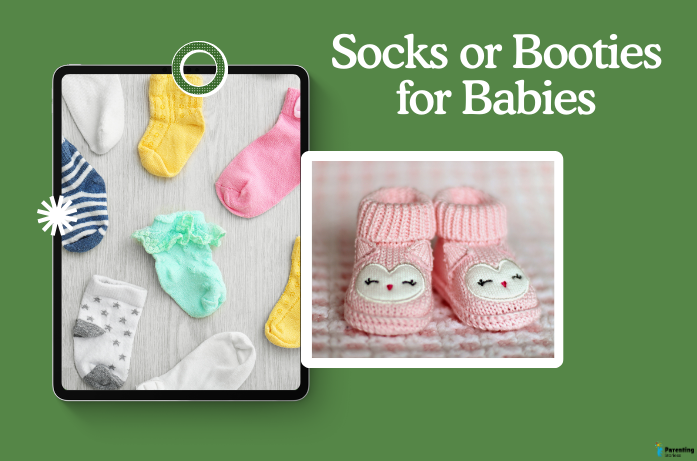
As a parent, choosing the right items for your baby isn’t always easy, especially when it comes to keeping those tiny feet warm and comfortable. Socks or booties for babies are both lovely options, but each serves a slightly different purpose depending on the situation.
In the early months, a baby’s feet are soft and still developing, which means shoes aren’t necessary at all. What your little one truly needs is gentle comfort, light warmth, and the freedom to move their feet naturally. Socks are soft and flexible, making them ideal for everyday use, particularly indoors or in mild weather. Booties, on the other hand, provide extra warmth and tend to stay on better, which makes them a practical choice during colder weather or when you’re heading outside.
Understanding when to choose socks and when booties are more suitable can help keep your baby cozy without restricting their natural movement. With the right choice, you can ensure your little one stays comfortable, happy, and well cared for.
Socks or Booties for Babies: What’s Better and When?
Best for: Newborns and young infants (0–6 months)
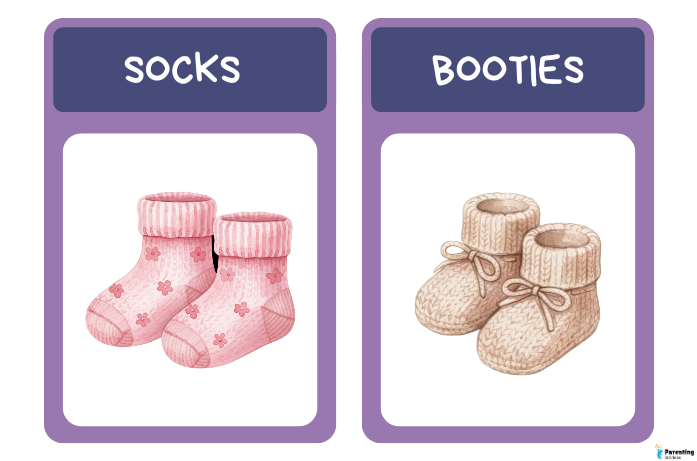
Why socks work well
- They keep tiny feet comfortably warm without limiting natural movement
- Soft, lightweight fabrics allow the skin to breathe
- Easy to wash, dry, and change throughout the day
- Well suited for indoor use and mild weather
Socks for babies are a great choice when babies spend most of their time lying down, being held, or sleeping. They let little toes move freely, which supports early sensory awareness and natural development.
Small downside
- Socks can sometimes slip off easily, any parent will tell you!
- They’re not the best choice for colder outdoor weather
Parent tip: Choose baby socks with soft, gentle elastic and a little stretch. Too-tight socks can leave marks and may make your baby’s little feet uncomfortable.
Baby Booties: Cozy and Secure
Best for: Older babies (3+ months) and outings
Why booties are useful
- Stay on better than socks
- Provide extra warmth in colder weather
- Perfect for short walks or stroller rides outside
- Often soft and cushioned, keeping little feet comfortable
Booties are especially helpful in winter or cooler climates, when socks alone just aren’t enough.
For warmer weather and outdoor outings, this guide to summer footwear for babies can help you choose breathable, lightweight, and flexible options.
Things to watch out for
- Avoid stiff soles or hard materials
- Make sure they’re not too tight or heavy
Soft booties should feel like a lovely, cozy layer for your baby’s feet, not like shoes.
Socks vs Booties: Quick Comparison
| Situation | Better Choice |
| Newborn at home | Socks |
| Daytime naps | Socks |
| Cold weather outing | Booties |
| Stroller walk | Booties |
| Learning to kick & move | Socks |
| Crawling baby | Barefoot or grippy socks |
Note: When babies start crawling or standing, barefoot or non-slip socks are best indoors. They help with balance and muscle development.
According to HealthyChildren.org (American Academy of Pediatrics), babies’ feet develop best when they’re not confined in shoes; socks are usually enough indoors to keep feet warm, and shoes are only needed once children walk outdoors for protection.
What’s Best for Baby Foot Development?
For healthy and strong little feet:
- Whenever it’s safe, let babies go barefoot indoors. This helps strengthen their muscles and improve balance.
- Use baby socks or booties just for warmth, not all the time.
- Avoid hard-soled shoes until your baby can walk confidently outdoors.
Baby feet are soft and flexible, so they don’t need any rigid structure yet. Giving them the freedom to move naturally is the best way to support healthy foot development.
According to the American Academy of Pediatrics, allowing babies to go barefoot during the early months helps promote muscle development and coordination, which is essential for healthy foot development.
Frequently Asked Questions (FAQs)
1. Do newborns really need socks or booties?
Not always. Newborns mainly need gentle warmth. Socks are usually sufficient indoors, while booties for babies are helpful in colder weather or outdoor trips.
2. When should I switch from socks to booties?
Booties are ideal for babies 3+ months old or when heading outdoors in cooler weather. They stay on better and provide extra warmth compared to socks.
3. Can babies wear shoes instead of booties?
No, shoes aren’t necessary for pre-walking babies. Soft socks, booties, or going barefoot indoors is best to allow natural foot movement and healthy development.
4. How can I prevent socks from slipping off?
Choose socks with soft elastic or gentle stretch. Non-slip socks can also help once your baby starts crawling or standing.
5. Are booties safe for crawling babies?
Yes, as long as they are soft, flexible, and lightweight. Avoid stiff soles or heavy materials that restrict movement.
6. Should babies be barefoot at home?
Absolutely. Barefoot time indoors strengthens foot muscles, helps with balance, and supports natural movement. Socks or booties should mainly be for warmth.
Final Thoughts: Comfort Comes First
There’s no single right answer, both socks for babies and booties for babies have their place.
If you’re staying indoors or dressing a newborn, socks are usually enough.
If it’s cold or you’re heading out, soft booties add warmth and security.
What matters most is that your baby’s feet are:
- Warm
- Comfortable
- Free to move
Looking for simple, practical tips to keep your baby cozy and safe every day?
Explore Parenting Stories for expert-backed advice on baby care, development, sleep, and gear, designed to make parenting easier and more joyful.
Because happy, comfortable babies grow best when their needs come first.
Disclaimer
This article is for informational purposes only and does not replace professional medical advice. Always ensure socks and booties fit comfortably, never restrict circulation, and supervise your baby during wear. For concerns about foot development or circulation, consult your paediatrician.