Creating a shared room for a baby and an older sibling might sound tricky, but with the right planning, it can become one of the coziest and most functional spaces in your home. Whether your children are close in age or years apart, designing a nursery that blends style, organization, and comfort is possible, and surprisingly fun. The key lies in choosing adaptable furniture, balancing each child’s needs, and establishing a soothing environment that encourages togetherness while preserving individuality.
Step 1: Start with Safety and Practicality
When combining a nursery and a child’s bedroom, safety should always come first. Position the crib away from windows, cords, and furniture that your older child could climb. If your older child is still adjusting to having a baby at home, create clear boundaries, like designating a special “baby zone” for feeding, changing, and naps.
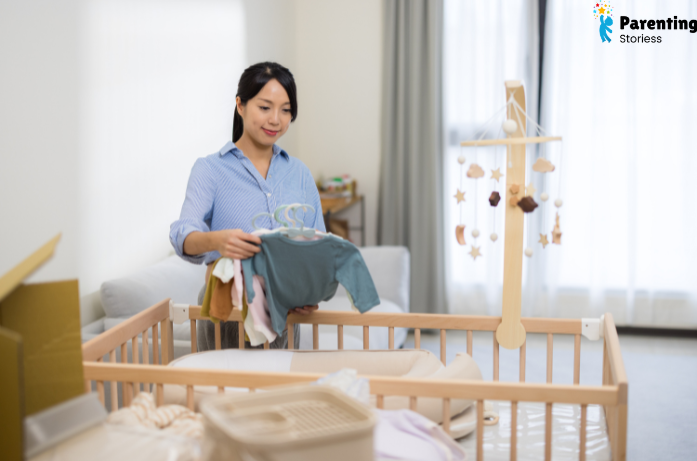
Opt for a crib with storage drawers or a slim dresser that doubles as a changing station. This maximizes floor space, giving your older child more room to play. A soft area rug anchors the space, keeps noise down during naps, and encourages quiet playtime activities that won’t wake the baby.
Step 2: Create a Unified Yet Balanced Design
The most successful shared rooms have a cohesive theme that complements both ages. While you want harmony across the space, each child should have a sense of personalization. Choose a neutral wall color to form a backdrop that grows with them, soft beige, muted green, or pale greige tones are excellent starting points. Then, layer in texture and pattern through bedding, curtains, and wall art.
If your older child’s space leans toward rustic charm, blend in cozy, layered fabrics with timeless appeal. One beautiful option is incorporating farmhouse bedding from Country Village Shoppe, which instantly adds warmth and an inviting touch to the shared room. Combine that with modern, neutral accents to keep the look calm and cohesive.
For the nursery side, think about complementary design elements rather than identical ones. For example, soft animal art or matching safari nursery décor on one wall can tie both spaces together without overwhelming the room. Shared themes, nature, animals, or adventure, often work across a wide age range.
Step 3: Use Zones to Keep Harmony
Dividing the room into distinct “zones” helps you balance rest, play, and storage for two children. You might separate the nursery corner with a crib, changing table, and rocking chair, while designating the other side for your older child’s bed, bookshelf, and small play area. Soft curtains, a neutral area rug, or a half-wall bookshelf can subtly define these spaces while keeping the room visually open.
Storage is another critical factor. Shared rooms can quickly become cluttered without smart organization. Try using labeled baskets or under-bed drawers for toys, clothes, and diapers. Multi-functional furniture, like a storage bench or cube organizer, can double as seating while keeping clutter out of sight.
A helpful trick is color-coding: assign one shade to your older child’s items and another to the baby’s. This not only keeps things neat but also helps your older child develop a sense of responsibility over their area.
Step 4: Make Sleep a Priority for Both
Sleep routines can be tricky in a shared space, but structure helps both children adjust. Consider a white noise machine to muffle sound during nap times, allowing your older child to play quietly without disturbing their sibling. If your children have different bedtime schedules, use blackout curtains and soft ambient lighting. A dim nightlight on your older child’s side can comfort them without waking the baby. Consistent nighttime cues, stories, songs, or quiet reading before lights out, help both children relax into sleep.
Step 5: Encourage Bonding and Independence
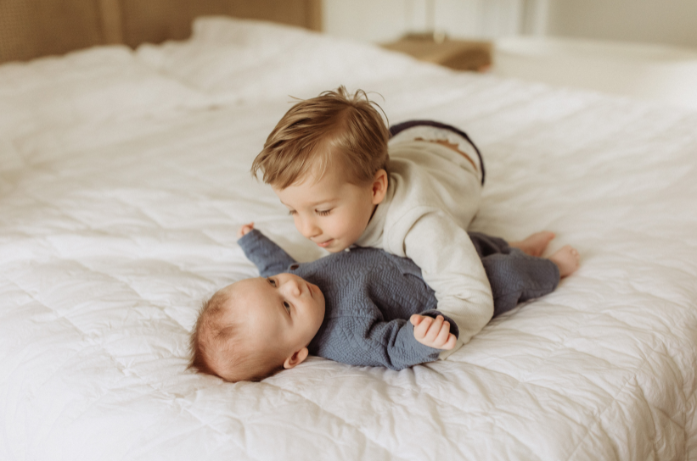
A shared nursery can actually strengthen the sibling bond. Create opportunities for interaction by including shared stories, cozy seating, or a rug for morning playtime. Meanwhile, give your older child small responsibilities, fetching diapers, singing lullabies, or helping during storytime, to foster connection and confidence.
However, independence matters too. Include a few age-appropriate “big kid” areas, such as a reading nook or an art corner. This allows your older child to enjoy individualized play without feeling overshadowed by baby-centered activities.
Step 6: Keep It Flexible for Growth
Children grow fast, and their shared space should evolve with them. Invest in furniture that adapts, convertible cribs that transition into toddler beds, or shelving that can shift from toy storage to book display. Choose décor that can be easily swapped, like removable wall decals, interchangeable bedding, and neutral furniture.
As your children hit new milestones, update small details: swap mobiles for framed artwork, or trade a diaper caddy for a craft bin. The goal is to keep the space current while maintaining its comforting familiarity.
Room-sharing between a baby and a sibling doesn’t have to mean cramped chaos or clashing design. With smart organization, a clear visual theme, and thoughtful routines, it can become a beautiful, cherished space full of warmth and memory-making moments. Start with a neutral color palette, layer in personal touches, and choose functional furniture that supports both comfort and creativity.
In the end, you’re not just designing a room, you’re creating an environment where siblings can coexist, connect, and grow together in harmony.