
Written with love and care by a mom at Parenting Stories,
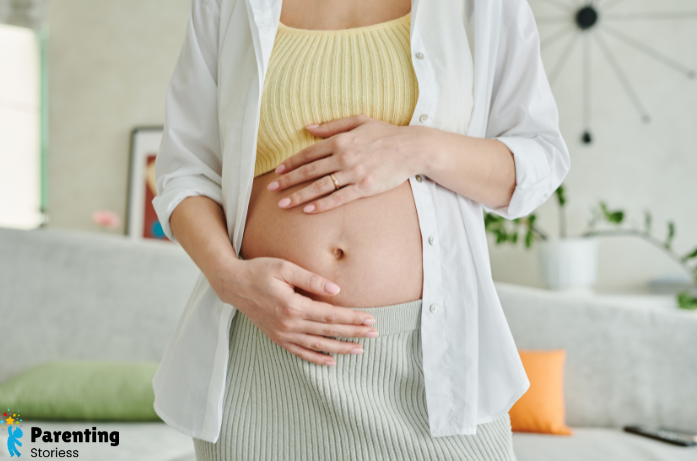
Pregnancy is one of the most beautiful and life-changing experiences, but it can also bring moments of uncertainty, especially in the early weeks. One of the most common worries many women quietly carry is pregnancy cramps in early pregnancy. I remember those first few weeks myself, noticing small aches and wondering if everything was okay.
If you are feeling similar sensations, know this gently: your body is going through powerful changes, and in most cases, these early cramps are completely normal. Still, understanding what’s happening inside your body can bring you the reassurance you truly need.
Let’s explore this together in a calm, simple, and supportive way.
Understanding Pregnancy Cramps in Early Pregnancy
During the first trimester, your body begins preparing for the growth and development of your baby. Hormones rise rapidly, your uterus starts expanding, and your muscles and ligaments adjust to support this new life.
This is why many women experience cramping in early pregnancy, often described as mild, occasional discomfort in the lower abdomen. It’s your body’s natural response to internal changes.
These cramps may feel like:
- Light pulling or stretching sensations
- Gentle pressure in the pelvic area
- Brief sharp twinges that come and go
For many women, this can be one of the earliest signs that pregnancy has begun, even before other symptoms appear.
What Do Cramps Feel Like in Early Pregnancy?
Every pregnancy feels different, but most women describe these sensations as cramps like period in early pregnancy, though typically softer and less intense than menstrual pain.
You might notice:
- A dull ache low in the belly
- A slight tightening feeling
- Mild discomfort that appears randomly
Sometimes, these cramps can feel more noticeable after physical activity, standing for long periods, or even after emotional stress.
The important thing to remember is that these sensations usually come and go and do not steadily increase in intensity.
Is Cramping Normal in Early Pregnancy?
A very common question many moms have is: is cramping normal in early pregnancy?
In most cases, the answer is yes.
Your body is going through several essential changes, including:
- Implantation of the fertilized egg into the uterine lining
- Increased blood flow to support the pregnancy
- Stretching of the uterus as it begins to grow
These natural processes can create mild discomfort or pressure. As long as the pain remains gentle and manageable, it is usually considered a healthy and expected part of early pregnancy.
However, listening to your body is important. If something feels unusual or concerning, reaching out to your doctor can provide peace of mind.

Common Causes of Cramping During Early Pregnancy
Understanding the reasons behind these sensations can help reduce anxiety and build confidence in your pregnancy journey.
1. Implantation Cramping
When the fertilized egg attaches to the uterine lining, it can cause light cramping. This usually happens very early and may last for a short time.
2. Uterine Expansion
As your uterus begins to grow, it stretches the surrounding muscles and ligaments. This stretching can cause mild discomfort or a pulling sensation.
3. Hormonal Changes
Hormones like progesterone increase significantly, relaxing muscles throughout the body. This can slow digestion, leading to bloating and gas that may feel like cramps.
4. Increased Blood Circulation
Your body is sending more blood to the uterus than ever before. This increase can create a feeling of heaviness or slight pressure in the pelvic area.
How Long Does Cramping Last in Early Pregnancy?
There isn’t a one-size-fits-all answer because every body responds differently. However, most women experience mild cramping on and off during the first few weeks or even throughout the first trimester.
In general:
- The discomfort may come and go rather than stay constant
- It often reduces as the body adjusts
- It should not become severe or persistent
If the cramping feels mild and doesn’t interfere with your daily life, it is usually not a cause for concern.
When Should You Be Concerned?
While most early cramps are harmless, it’s important to recognize signs that may need medical attention.
Contact your healthcare provider if you notice:
- Strong or sharp pain that doesn’t ease
- Heavy bleeding or passing clots
- Pain focused on one side of the abdomen
- Dizziness, weakness, or fainting
- Fever along with abdominal pain
These symptoms could indicate conditions like ectopic pregnancy or miscarriage, which require immediate care.
Trust your instincts, if something feels wrong, it’s always okay to seek help.

Simple Ways to Ease Cramping During Early Pregnancy
There are gentle and safe ways to manage discomfort at home and support your body during Cramping in Early Pregnancy.
1. Prioritize Rest
Your body is working hard behind the scenes. Taking time to rest can significantly reduce discomfort.
2. Stay Hydrated
Drinking enough water helps prevent dehydration, which can worsen cramps.
3. Use a Warm Compress
A warm (not hot) compress placed on the lower abdomen can relax muscles and ease tension.
4. Gentle Movement
Light stretching, walking, or prenatal yoga can improve circulation and reduce stiffness.
5. Eat Balanced Meals
Frequent, small meals can help prevent bloating and digestive discomfort.
Emotional Changes Along With Physical Symptoms
Early pregnancy is not just a physical experience, it’s deeply emotional too.
You may find yourself becoming more aware of every small sensation in your body. It’s natural to feel a mix of excitement and worry at the same time.
I remember constantly questioning whether everything I felt was normal. That quiet uncertainty can be overwhelming.
But here’s something important to remember:
Your body is naturally designed to support this journey. Even when it feels unfamiliar, it is doing exactly what it needs to do.
Be kind to yourself. You are adjusting, learning, and nurturing life all at once.
Tips to Feel More Calm and Confident
Managing your emotions is just as important as caring for your physical health.
Here are some gentle ways to feel more at ease:
- Limit excessive online searching, which can increase anxiety
- Attend regular prenatal appointments for reassurance
- Talk openly with your partner or someone you trust
- Practice deep breathing or short relaxation exercises
- Focus on your body’s strengths instead of your fears
Sometimes, peace comes from trusting the process rather than trying to control every detail.
Talking to Your Doctor Without Hesitation
Your doctor is there to guide and support you, not to judge your concerns.
If you feel unsure, don’t hesitate to ask questions like:
- What do cramps feel like in early pregnancy normally?
- Should I monitor any specific symptoms?
- When should I come in for a check-up?
Open communication can help you feel more confident and secure throughout your pregnancy.
Final Thoughts: Trust Your Body and Your Journey
The early weeks of pregnancy are filled with quiet changes, some exciting, some confusing, and some a little uncomfortable.
If you’re experiencing pregnancy cramps in early pregnancy, remind yourself that this is often a natural sign that your body is adjusting and preparing for the incredible journey ahead.
Listen to your body, care for yourself gently, and reach out for support when needed.
You are doing something truly amazing. Take each day slowly, trust your instincts, and remember, you are never alone on this journey.
Save this tip & follow Parenting Stories for more mom-friendly advice
Frequently Asked Questions
1. Can early pregnancy cramps feel like menstrual pain?
Yes, many women experience sensations similar to period cramps, but usually milder and shorter in duration.
2. Is it normal to have cramps without bleeding?
Mild cramps without bleeding are often normal and related to natural body changes.
3. Do cramps happen every day in early pregnancy?
They may come and go. Daily mild discomfort can occur but should not become severe.
4. Should I worry about one-sided cramping?
Occasional mild one-sided discomfort can happen, but persistent or severe pain should be checked.
5. What helps reduce early pregnancy discomfort?
Rest, hydration, gentle movement, and balanced nutrition can all help ease symptoms.