
Written by a caring mom at Parenting Stories
Becoming a mother is a beautiful life-changing experience, but the postpartum period can also bring physical exhaustion, emotional changes, and many new challenges. After childbirth, your body needs time to heal, your hormones begin adjusting, and your days often become centered around your newborn’s needs. In the middle of feeding, sleepless nights, and endless responsibilities, many moms forget to care for themselves.
This is why postpartum self care is an important part of recovery. It is not about being selfish or taking time away from your baby; it is about giving your body, mind, and emotions the care they need to heal and feel stronger. Simple habits like resting when possible, eating nourishing meals, staying hydrated, and accepting support can make a big difference.
In this guide, I am sharing 20 simple and practical self care postpartum tips to help new moms recover, manage daily challenges, and slowly feel like themselves again during this special journey of motherhood.
Why Postpartum Self Care Matters After Having a Baby
After childbirth, your body goes through incredible changes. Whether you had a vaginal birth or a C-section, your body needs time to recover. Hormonal changes, physical discomfort, lack of sleep, and the constant responsibility of caring for your baby can leave you feeling exhausted.
Many new moms focus so much on their baby’s needs that they ignore their own. They may skip meals, avoid resting, or feel guilty for taking even a few minutes for themselves.
But caring for yourself helps you become a healthier and more present parent. When you feel supported and cared for, you have more patience, energy, and emotional space to enjoy your baby.
Self care postpartum is not about being a perfect mom. It is about recognizing that you are also someone who needs kindness, comfort, and attention.
20 Simple Postpartum Self Care Ideas for New Moms
After having a baby, it is natural to focus all your attention on your little one. But remember, your baby needs a healthy and supported mom too. Postpartum self care does not mean taking hours away from your baby or doing something expensive. It means taking small steps every day to support your healing, energy, and emotional well-being.
Here are simple and realistic self care postpartum ideas that can help you feel more comfortable, confident, and connected with yourself again.
1. Give Your Body Time and Patience to Heal
Your body has gone through an incredible journey to bring your baby into the world, and recovery takes time. Whether you had a vaginal birth or a C-section, your body needs gentle care, proper rest, and patience.
Every mother’s healing journey is different. Try not to compare your recovery with other moms because there is no “right” timeline for feeling normal again.
Listen to your body, slow down when you need to, and remember that resting is not a sign of weakness. Rest is an important part of healing.
2. Rest Whenever You Get the Chance
Sleep can feel like a luxury after having a newborn, especially during those early weeks when your baby wakes frequently. While getting a full night’s sleep may not always be possible, small moments of rest can still help.
If your baby naps during the day, consider taking a short nap or simply lying down instead of completing every household task.
The dishes can wait, the laundry can wait, but your body deserves time to recover. Even a few quiet minutes can help you feel calmer and more refreshed.
3. Keep Yourself Hydrated Throughout the Day
Taking care of a newborn can make you forget your own basic needs, including drinking enough water. Many new moms stay busy with feeding, diaper changes, and soothing their baby and realize later that they have barely had anything to drink.
Keep a water bottle nearby, especially where you usually feed or relax with your baby. Staying hydrated can support your energy levels and help your body recover after childbirth.
Small habits like drinking enough water are simple but powerful parts of postpartum self care.
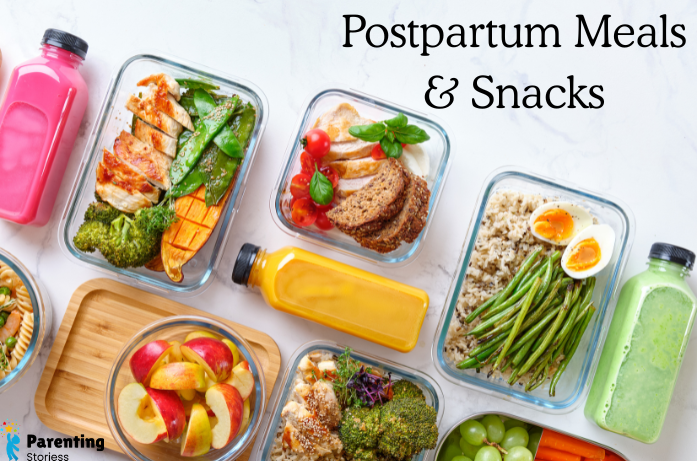
4. Nourish Your Body With Healthy Foods
Your body needs extra support after birth, especially if you are breastfeeding. Eating balanced meals can help you feel more energetic and support your recovery.
You do not need complicated recipes or perfect meals. Simple foods like fruits, vegetables, protein-rich foods, whole grains, and homemade meals can provide the nourishment your body needs.
Remember, taking care of your own nutrition is also a way of taking care of your baby.
5. Accept Help Without Feeling Guilty
Many new moms feel like they should handle everything on their own, but motherhood was never meant to be a one-person job.
If your partner, family member, or friend offers help, allow them to support you. Let someone prepare a meal, do household chores, watch the baby for a little while, or simply sit with you.
Accepting help does not make you a less capable mother. It gives you the time and energy you need to care for yourself and your baby.
6. Enjoy Small Moments Just for Yourself
Postpartum self care does not always require a big break or hours of free time. Sometimes, the smallest moments can help you feel like yourself again.
Enjoy a warm cup of tea, listen to your favorite music, sit outside for fresh air, read a few pages of a book, or simply take a few deep breaths.
These little moments of peace can bring comfort during the busy newborn stage.
7. Take Care of Your Emotional Health
The postpartum period can bring many different emotions. One day you may feel happy and confident, and the next day you may feel tired, emotional, or overwhelmed.
Hormonal changes, sleep deprivation, and adjusting to motherhood can affect your mood. Instead of ignoring your feelings, give yourself permission to talk about them.
Share your thoughts with your partner, a trusted friend, another mom, or your healthcare provider. You do not have to handle every emotion alone.
The postpartum period can bring many emotional changes as your body heals and you adjust to motherhood. Learning about maternal mental health can help you understand your feelings and know when to seek support. You can read more about postpartum mental health changes from NCBI Bookshelf.
8. Create a Simple Self-Care Routine
A postpartum routine does not need to be complicated. In fact, simple habits are often easier to follow when you have a newborn.
Your routine could be something as small as taking a peaceful shower, changing into comfortable clothes, applying skincare, stretching for a few minutes, or enjoying quiet time before bed.
These little actions remind you that you are not only a mother you are also a person who deserves care.
9. Stay Connected With People Who Support You
New motherhood can sometimes feel lonely, especially when your days are mostly spent at home with your baby.
Make time to connect with people who make you feel loved and understood. Call a friend, talk to another mom, or spend time with family members who bring positivity into your life.
Having emotional support can make the postpartum journey feel lighter and less overwhelming.
10. Love and Appreciate Your Changing Body
Pregnancy and childbirth can change your body in many ways. You may notice changes in your weight, skin, energy levels, or overall apearance.
Instead of being hard on yourself, try to appreciate what your body has done. It carried your baby, helped bring new life into the world, and continues to care for your little one.
Your postpartum body deserves kindness, patience, and love.
11. Start Moving Slowly and Gently
After childbirth, it is important to give your body time before returning to your previous activity level.
Gentle movements like short walks, light stretching, or exercises approved by your healthcare provider can help improve your mood and slowly rebuild strength.
Do not rush your recovery. Healing is a journey, and every small step forward matters.
12. Make Time for Basic Personal Care
When you have a newborn, even simple tasks like taking a shower or brushing your hair can feel difficult. But these small acts of care can have a big impact on how you feel.
A fresh shower, clean clothes, comfortable skincare routine, or simply getting ready for the day can help improve your confidence.
Taking care of yourself is not an extra task it is an important part of your recovery.
13. Protect Your Peace and Mental Space
New moms receive a lot of advice from family, friends, and social media. While some advice can be helpful, too much information can sometimes create stress.
Choose what feels right for you and your baby. Take breaks from anything that makes you feel anxious or pressured.
Every mother’s journey is different, and your experience does not need to look like anyone else’s.
14. Clearly Communicate What You Need
Sometimes people around you want to help but do not know how. Waiting until you feel completely exhausted can make things harder.
Tell your loved ones what you need, whether it is extra rest, help with chores, or simply someone to listen.
Your needs are important, and asking for support is a healthy part of motherhood.
15. Let Go of the Pressure to Be a Perfect Mom
The postpartum period is filled with beautiful moments, but it can also include difficult days. Feeling tired, emotional, or unsure does not mean you are doing something wrong.
Give yourself grace and remember that learning motherhood takes time.
Your baby does not need a perfect mom. Your baby needs a loving mom who is trying her best.
16. Make Time to Bond With Your Baby
Self-care is not only about taking breaks. It is also about enjoying the moments that bring happiness and connection.
Cuddle your baby, enjoy quiet feeding moments, sing gentle songs, or spend a few minutes simply watching your little one smile.
These small moments create beautiful memories and remind you of the love behind your motherhood journey.
17. Seek Support When You Need It
Your emotional health matters just as much as your physical recovery. If you feel constantly sad, anxious, hopeless, or unable to enjoy things you normally love, do not ignore those feelings.
Talking with a healthcare professional can provide guidance and support.
Reaching out for help is a sign of strength, not failure. If feelings of sadness, anxiety, or hopelessness continue, it is important to reach out for help. Postpartum depression is common and treatable, and getting support early can make a big difference. Learn more about symptoms and support options from the Office on Women’s Health:
18. Create a Comfortable Space for Yourself
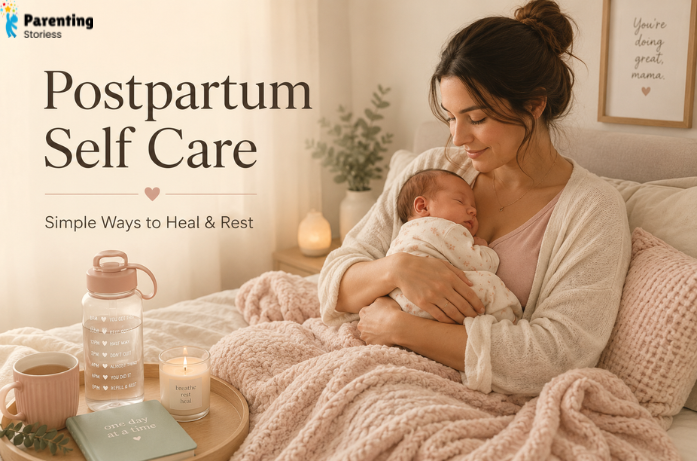
Comfort can make postpartum days much easier. Keep your favorite blanket nearby, wear soft and comfortable clothes, and create a relaxing space where you can rest with your baby.
Small comforts can help you feel calmer and more cared for during recovery.
19. Celebrate Every Small Achievement
During the postpartum period, small things are big wins. Taking a shower, eating a healthy meal, getting some rest, or asking for help are all achievements worth celebrating.
Do not underestimate your daily efforts.
Every small step you take toward caring for yourself matters.
20. Remember That Motherhood Does Not Replace Who You Are
Becoming a mother changes your life, but it does not erase who you were before. You are still the person with your own dreams, interests, and personality.
Make time for things that make you happy whenever possible. Read a book, enjoy your hobbies, spend time with loved ones, or simply do something that reminds you of yourself.
You are a wonderful mother, but you are also a person who deserves happiness, care, and love.
How to Make Postpartum Self Care Easier Every Day
The biggest challenge for many moms is finding time for themselves. The key is to remove the pressure of doing everything perfectly.
Start small. Choose one thing each day that supports your physical or emotional well-being. It could be drinking enough water, taking a short walk, asking for help, or simply resting.
Self-care becomes easier when it becomes part of your normal routine rather than something you only do when you are completely exhausted.
Remember, your baby does not need a perfect mother. Your baby needs a mother who feels supported, loved, and cared for.
Final Thoughts
The postpartum journey is a season of change, healing, and learning. Some days may feel joyful, while others may feel tiring and uncertain. Both experiences are normal.
Practicing postpartum self care is a beautiful reminder that your needs matter too. Taking care of yourself does not take away from your love for your baby. In fact, it helps you show up with more energy, patience, and emotional strength.
Be patient with your body. Be kind to your heart. Allow yourself time to heal and remember that you are doing better than you think.
Motherhood is not about doing everything perfectly. It is about growing, learning, and finding your own rhythm. Give yourself the same love and care that you give your little one every single day.
Frequently Asked Questions About Postpartum Recovery
1. What should I do for postpartum recovery after giving birth?
After giving birth, focus on getting enough rest, eating nutritious foods, staying hydrated, managing stress, and giving your body time to heal.
2. How can I take care of myself after having a baby?
You can care for yourself by taking small breaks, accepting help, maintaining personal hygiene, and creating simple daily habits that support your physical and emotional health.
3. What are the best ways to reduce postpartum stress and exhaustion?
Getting proper rest, sharing responsibilities, connecting with loved ones, and making time for relaxation can help reduce stress and exhaustion during the postpartum period.
4. How do new moms find time for self care with a newborn?
New moms can find time for self care by using small moments during the day, resting when the baby sleeps, and asking family members or partners for support.
5. When should I ask for help after having a baby?
You should seek support if you feel overwhelmed, emotionally exhausted, constantly sad, anxious, or unable to manage daily activities after childbirth.
At Parenting Stories, we believe every mom deserves support, care, and encouragement during every stage of motherhood. Explore more helpful parenting tips, emotional support, and practical guides to make your parenting journey a little easier.
Disclaimer
The information shared on Parenting Stories is for educational and informational purposes only and should not replace professional medical advice. If you have any concerns about your postpartum recovery or emotional well-being, please consult a qualified healthcare provider.