
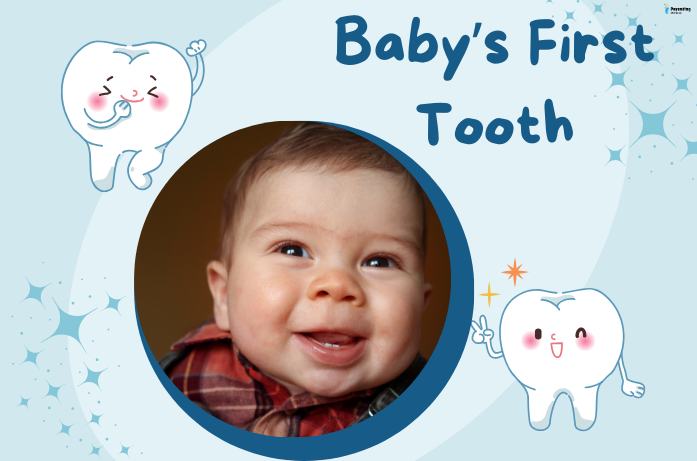
That tiny white bump on your baby’s gum isn’t just adorable, it’s a meaningful milestone. Your baby first tooth marks the beginning of a new stage in their growth. Suddenly, those gummy smiles start to turn into little toothy grins that melt every parent’s heart.
Along with this sweet change, you might notice a few new behaviors. Your baby may drool more than usual, seem a bit fussy, or try to chew on anything they can grab. This is completely normal and simply means teething has begun. During this time, your little one needs extra comfort, patience, and gentle care.
It’s also the right moment to slowly introduce basic oral hygiene habits, even if it’s just softly cleaning the tooth and gums. If you’re wondering when the baby first tooth usually appears, what signs to watch for, and how to care for it properly, this guide will walk you through everything in a calm, simple, and reassuring way.
When Do Babies Get Their First Tooth?
Most babies get their first tooth between 4 and 7 months of age, but every child grows at their own pace. Some babies may start teething as early as 3 months, while others might not get their first tooth until after their first birthday. Both situations can be completely normal and usually aren’t a cause for concern, as highlighted by the American Academy of Family Physicians.
In many cases, the baby first teeth to appear are the bottom front teeth, also called the lower central incisors. These tiny teeth often come in quietly, and parents sometimes notice them only when they feel a small, sharp edge during feeding or when their baby smiles. So whether your baby first tooth comes a little early or a bit later, it’s simply part of their unique growth journey.
Signs of Baby’s First Tooth
Teething symptoms often start showing a few weeks before the baby first tooth actually appears. During this time, you may notice small but clear changes in your baby’s behavior and comfort.
Common signs include:
- Increased drooling
- Chewing on hands, toys, or anything they can hold
- Swollen or tender gums
- Mild irritability or fussiness
- Disturbed sleep patterns
- Slight decrease in appetite
Every baby responds to teething differently. Some babies go through this phase quite smoothly with only mild discomfort, while others may become a bit more fussy and need extra cuddles and soothing. Both reactions are completely normal and simply mean your little one is going through this natural stage of growth.
For more in-depth information, you can refer to MedlinePlus’s teething guidance.
What Is Not Normal?
It’s normal for babies to feel a little uncomfortable while teething, but some symptoms are not caused by teething and need attention.
These include:
- High fever
- Severe diarrhea
- Vomiting
- Extreme tiredness or unusual sleepiness
If your baby experiences any of these, it’s a good idea to contact your pediatrician. These signs may point to something other than teething, and checking with a doctor will help keep your little one safe and healthy.
You can read more on teething symptoms and signs at the Cleveland Clinic.

How to Soothe Teething Discomfort
It can be hard to see your baby uncomfortable while teething, but there are gentle, safe ways to help ease their discomfort:
- Gentle Gum Massage
Wash your hands and softly rub your baby’s gums with a clean finger. This gentle pressure can help relieve soreness. - Teething Toys
Offer a clean, chilled (not frozen) teething toys. Chewing on it can soothe tender gums. - Cold Washcloth
A clean, damp, and chilled washcloth can be comforting for your baby to chew on. - Extra Comfort
Sometimes all your baby needs is a little extra cuddling and reassurance.
If your baby seems particularly uncomfortable, check with your pediatrician before using any medication. These small steps can make teething a little easier for both you and your little one.
Caring for Baby’s First Tooth
As soon as your baby first tooth appears, it’s a good idea to start caring for it. HealthyChildren.org recommends using a soft baby toothbrush with fluoride toothpaste to clean the tooth. Gentle oral care from the very beginning helps keep their teeth healthy and lays the foundation for good habits later.
Here’s how you can clean that first tiny tooth:
- Use a soft baby toothbrush
- Apply a tiny smear of fluoride toothpaste, just about the size of a grain of rice
- Brush gently twice a day
Even before teeth appear, you can wipe your baby’s gums with a clean, damp cloth. Starting these simple routines early makes oral hygiene for babies familiar and comfortable for your little one.
When to Visit the Dentist
It’s a good idea to schedule your baby’s first dental visit either by their first birthday or within six months after their first tooth appears, whichever comes first.
Starting dental visits early helps prevent cavities, keeps your baby’s teeth healthy, and sets the stage for good oral care habits. It’s also a great opportunity to ask your dentist any questions and get tips on looking after your little one’s smile.
Baby Teething Timeline: A Quick Overview
Here’s a simple, easy-to-follow guide for when your baby first tooth usually come in:
- 6–10 months → Bottom front teeth
- 8–12 months → Top front teeth
- 9–16 months → Side incisors
- 13–19 months → First molars
- 16–23 months → Canines
- 23–33 months → Second molars
By around age 3, most children have all 20 of their primary teeth.
Keep in mind, every baby is unique, some teeth may appear a little earlier or later. This timeline is just a general guide to help you know what to expect as your little one’s smile grows.
Helpful Teething Tips
Here are a few simple tips to help your baby through teething and keep their teeth healthy:
- Wipe away drool often to prevent a rash on the chin
- Avoid giving sugary drinks in bottles
- Don’t put your baby to bed with milk in their mouth
- Only use teething gels if your doctor recommends them
Starting these healthy habits early can make a big difference, helping prevent dental problems later and making oral care an easy part of your baby’s routine.
Emotional Side of This Milestone
Your baby’s first tooth is such a special moment, it’s full of little emotions all at once. You might feel:
- Excitement
- Pride
- A touch of surprise
- And, naturally, the urge to take lots of photos!
That tiny tooth makes their smile even more adorable, but it also gently reminds you how quickly your little one is growing. It’s one of those sweet, fleeting milestones to really cherish.
FAQs About Baby’s First Tooth
Final Thoughts
Baby first tooth is a small milestone with a big meaning. With gentle care, patience, and proper oral hygiene, you can make this stage comfortable and healthy for your little one.
Remember, teething is temporary, but those adorable toothy smiles last forever.
At Parenting Stories, we believe every little milestone deserves celebration, guidance, and reassurance.
Disclaimer
This article is for informational purposes only. If your baby shows unusual symptoms during teething or if you have concerns about dental health, consult a pediatrician or pediatric dentist for professional advice.