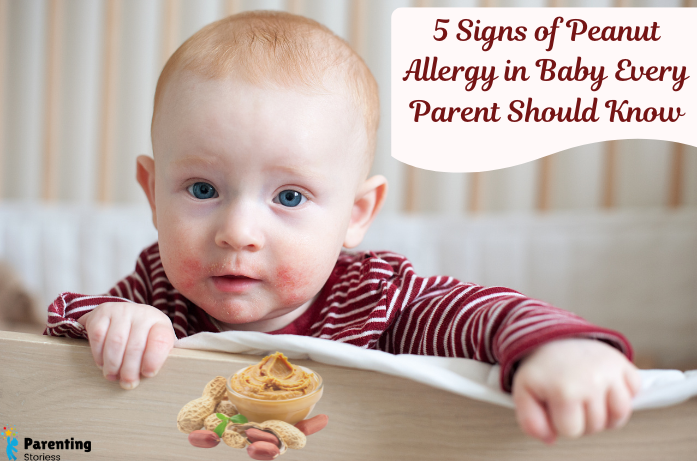

Not sure when to worry about your baby’s symptoms? Understanding baby health red flags can help you know exactly when to call the doctor and when to monitor calmly at home. While many newborn symptoms are normal, some signs need quick medical attention. Trusting your instincts and recognizing early warning signs can keep your baby safe, healthy, and well cared for.
1. High Fever as a Baby Health Red Flag
Fever is your baby’s natural way of fighting off infection, it’s a sign that their immune system is working hard to protect them. Still, depending on your little one’s age and overall health, a fever can sometimes point to something more serious, like a bacterial infection or dehydration. Learning to recognize baby fever symptoms, taking accurate temperature readings, and knowing when to call your pediatrician helps you stay calm, confident, and care for your baby with clarity and love.
Call your doctor if:
- Your baby under 3 months old has a temperature of 100.4°F (38°C) or higher.
- Your baby between 3–6 months has a fever above 101°F (38.3°C) or any fever lasting longer than 2–3 days.
- The fever doesn’t go down with medicine, or it comes with symptoms like lethargy, poor feeding, or rash.
Parent Tip:
Use a digital rectal thermometer for newborns, it’s the most accurate. Avoid ear or forehead thermometers until after 6 months.
2. Breathing Problems: Serious Baby Health Red Flags
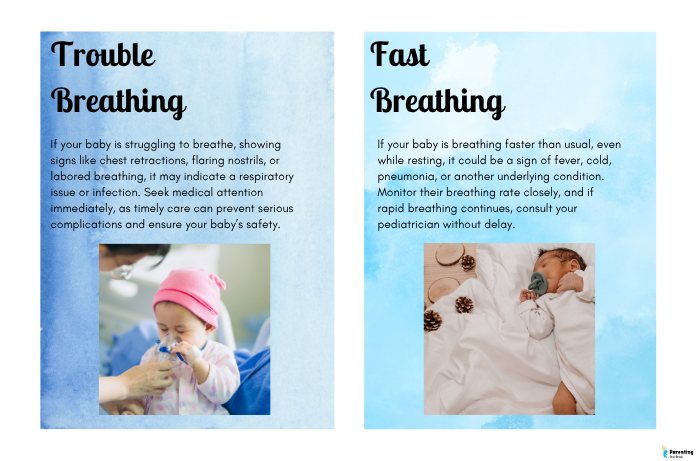
Babies naturally breathe faster than adults because their lungs and airways are still developing. However, breathing should always look calm and steady, not strained or labored. Any sign of effort while breathing, like flaring nostrils or chest retractions, could indicate that your baby’s body is working too hard and needs medical attention..
Call your doctor or seek emergency help if you notice:
- Rapid, shallow, or noisy breathing (like wheezing or grunting)
- Chest sinking in between ribs with each breath
- Nostrils flaring or lips turning bluish
- Long pauses between breaths
These could be signs of bronchiolitis, pneumonia, or another respiratory issue that needs immediate care.
3. Dehydration Signs That Are Baby Health Red Flags
Hydration is crucial, especially for newborns, because their tiny bodies lose fluids quickly and can’t store much water. After the first week, your baby should have about 6–8 wet diapers a day, a key sign they’re getting enough milk or formula. Monitoring diaper output, urine color, and feeding patterns helps ensure your baby stays healthy and well-hydrated.
Call your doctor if your baby:
- Has very few wet diapers or none for over 8 hours
- Has a dry mouth or cracked lips
- Cries with few or no tears
- Has a sunken soft spot on the head
- Seems unusually sleepy or irritable
Quick Tip:
Breastfeeding moms offer the breast often. Short, frequent feeds help. Formula-fed babies should stick to a, steady feeding schedule.
4. Unusual Crying and Irritability as Baby Health Red Flags
Crying is your baby’s natural way of communicating, it’s how they tell you they’re hungry, tired, or simply need comfort. But sometimes, the sound or pattern of that cry changes. If your baby’s crying suddenly becomes sharper, more intense, or lasts for hours even after you’ve tried everything to soothe them, it could be a sign of discomfort, pain, or even illness.
Every parent learns to recognize their baby’s unique cries over time. Paying attention to these subtle changes not only helps you respond with love and patience but also ensures you know when it’s time to call your pediatrician for peace of mind.
Call your doctor if your baby:
- Cries continuously for hours without relief
- Cries in pain when touched or moved
- Suddenly becomes unusually quiet, weak, or limp
Parent Reminder:
Colic or gas can cause long crying spells, but if something doesn’t feel right, it’s always okay to call.
5. Vomiting or Diarrhea: Baby Health Red Flags to Watch
Some spit-up is perfectly normal as babies adjust to feeding and develop stronger digestion. However, frequent, forceful, or unusual vomiting can signal an underlying issue such as reflux, milk intolerance, or infection. Monitoring vomiting patterns, color, and frequency helps parents identify when it’s time to seek medical advice and protect their baby’s health.
Contact your doctor if:
- Vomit is green, bloody, or looks like coffee grounds
- Your baby vomits after every feed or seems dehydrated
- Diarrhea lasts more than 24 hours or has blood/mucus
- Your baby refuses to feed or has a sunken fontanelle
Parent Tip:
Forceful vomiting in newborns could signal reflux or a blockage, both need medical attention.
6. Rashes That Signal Baby Health Red Flags
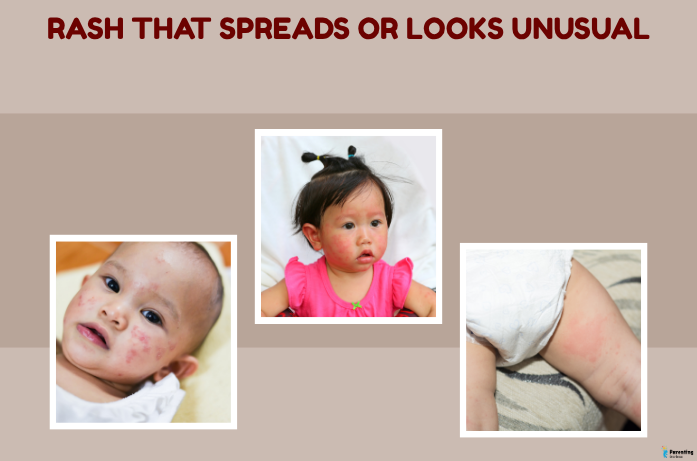
Babies often get rashes like heat rash, baby acne, or diaper rash due to sensitive skin and constant exposure to moisture or new products. However, if a rash spreads quickly, looks unusual, or causes discomfort, it could signal an allergic reaction, infection, or irritation that requires a pediatrician’s attention for proper care.
Call your pediatrician if the rash:
- Spreads rapidly or appears with a fever
- Looks like bruises or purple spots under the skin
- Blisters, oozes, or causes swelling
- Appears after introducing new food, medicine, or detergent
Tip:
Take a quick photo, it helps your doctor see how the rash started in case it changes later.
7. Poor Feeding as a Baby Health Red Flag
Feeding time is bonding time, it’s when your baby feels comforted, nourished, and connected to you. However, if your baby suddenly refuses to eat or shows less interest in feeding, it could be due to illness, teething, or an upset tummy. Tracking feeding patterns and behavior helps you notice early signs and seek timely pediatric advice.
Call your doctor if your baby:
- Skips more than two feedings in a row
- Feeds but vomits everything back up
- Coughs, chokes, or struggles to swallow
- Seems too weak or sleepy to suck
Newborn Tip:
For very young babies, even a few missed feeds can cause dehydration. Don’t wait too long to get advice.
8. Extreme Sleepiness and Baby Health Red Flags
Babies naturally sleep a lot, but they should still wake easily when you touch them, talk to them, or it’s time for feeding. If your baby seems unusually deep in sleep or doesn’t respond when you try to wake them, it can be a cause for concern. Sometimes, conditions like infections, low blood sugar, or fatigue can make a baby excessively drowsy. That’s why keeping an eye on your baby’s sleep patterns and energy levels is so important, it helps you spot any problems early and ensure timely care.
Seek help immediately if your baby:
- Is difficult to wake or unusually floppy
- Has weak muscle tone
- Appears dazed, unresponsive, or doesn’t focus their eyes
This kind of drowsiness can signal infection, low blood sugar, or another urgent condition.
9. Seizures and Jerky Movements as Baby Health Red Flags
Seizures in babies can look different from what you might expect, sometimes they appear as subtle jerks, staring spells, or lip-smacking rather than full-body convulsions. These episodes can be caused by fever, infection, or underlying neurological issues. Recognizing early signs and seeking prompt medical care is crucial for your baby’s safety and healthy development.
Call emergency services if you see:
- Sudden stiffening or rhythmic jerking of arms and legs
- Eyes rolling back or fixed in one position
- Baby becomes limp or unresponsive afterward
If this happens:
Place your baby safely on their side, clear nearby objects, and get medical help immediately.
10. Trusting Your Instincts: The Most Important Baby Health Red Flag
Sometimes your baby doesn’t show any obvious symptom, they just seem different. Maybe quieter, fussier, or less active than usual. This is where your parental instinct truly matters. Subtle changes in mood, feeding, or sleep can signal early signs of illness or discomfort. Always trust your gut, early attention keeps your baby safe and healthy.
You don’t need proof to call your doctor. If you sense something’s wrong, you’re probably right to check. It’s always better to make a quick call and get reassurance than to sit and worry.
FAQs : Baby Health Red Flags Parents Ask About
1. How do I know if my baby’s fever is serious?
If your baby under 3 months has a fever of 100.4°F (38°C) or higher, call your doctor right away. For older babies, watch for persistent fever, poor feeding, or unusual sleepiness.
2. When should I worry about my baby’s breathing?
If you notice rapid, labored breathing, flaring nostrils, chest sinking, or bluish lips, seek immediate medical help. These may indicate a respiratory problem.
3. Is it normal for my baby to cry for hours?
Some crying is normal (especially from colic or gas), but nonstop crying that sounds painful or doesn’t stop with comfort needs a pediatric check-up.
4. What should I do if my baby has a rash?
Mild heat or diaper rashes are common, but rashes that spread fast, blister, or come with a fever should be evaluated by a doctor.
5. What are the warning signs of dehydration in babies?
Few or no wet diapers, dry mouth, sunken soft spot, or drowsiness are red flags. Offer frequent feeds and contact your pediatrician.
Final Thoughts: Never Ignore Baby Health Red Flags
When it comes to your baby’s health, there’s no such thing as being overly cautious. You’re not being paranoid, you’re being protective.
If something concerns you, call your pediatrician. If it turns out to be nothing serious, that’s okay. The peace of mind is worth it.
Parenting isn’t about knowing everything, it’s about staying alert, calm, and connected. You are your baby’s best advocate, and that makes you exactly the parent your child needs.
Parenting isn’t about perfection, it’s about awareness, patience, and love.
Explore more gentle, expert-backed guides on baby health and development at ParentingStories, where informed parents raise confident, healthy kids.
Disclaimer
This article is for educational purposes only and should not replace medical advice, diagnosis, or treatment. Always consult your pediatrician if you’re concerned about your baby’s health, and call emergency services if symptoms are severe or worsening.