
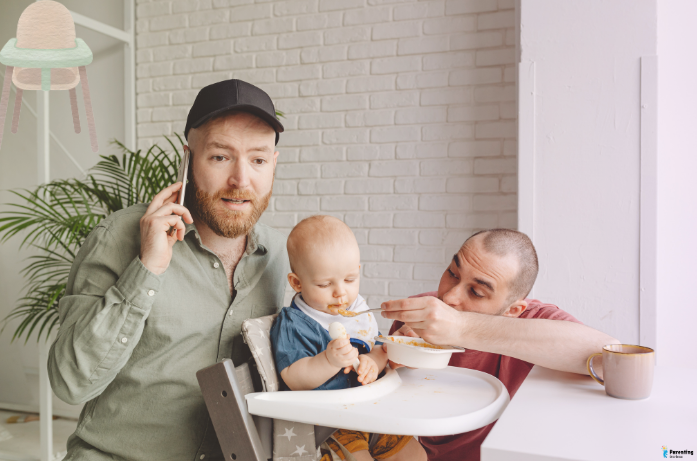
Feeding time is one of the most precious parts of your baby’s early years. Those messy smiles, little food-covered faces, and tiny hands reaching for the spoon are all signs that your baby is learning and growing. Mealtimes aren’t just about eating, they’re about bonding, exploring new tastes, and building healthy habits. A baby high chair plays an important role in this journey. Whether it’s an infant high chair for first solids or a table high chair that brings your baby closer to family meals, the right choice can make feeding safer and more enjoyable for everyone.
If you’re wondering when to start using a high chair, which one to buy, or how to use it safely, this guide will help you choose the best high chair for your baby with confidence.
What Is a Baby High Chair?
A baby high chair is designed to be a safe and comfortable place for a baby to sit during mealtimes. It brings your baby up to table level, allowing them to be part of family meals while eating with ease. Sitting in a proper position helps support your baby’s back and posture as they grow. Over time, using a high chair also encourages independence, allowing your baby to explore food, practice self-feeding, and build confidence at their own pace.
Most high chairs come with:
- A secure seat with back support
- Safety harness or straps
- A food tray
- Stable legs or base
Some modern designs also function as an infant table seat or infant table chair, attaching directly to a dining table for convenience.
When Can a Baby Start Using a High Chair?
Most babies are ready for a high chair when they:
- Are 6 months old or older
- Can sit with little or no support
- Have good neck and head control
- Show interest in food
Tip: Don’t rush. If your baby slouches or seems uncomfortable, wait a few weeks.
According to Pathways.org, babies should be able to sit upright with good head and neck control before being placed in a high chair.
Benefits of Using a Baby High Chair
1. Safer Feeding: A baby infant eating chair helps your baby sit upright in a proper position during meals, making swallowing easier and reducing the risk of choking. This gives parents peace of mind and allows feeding time to feel calmer, safer, and more controlled.
2. Builds Healthy Eating Habits: Sitting in the same baby sitting chair every day helps babies understand routine and structure. Over time, they begin to recognize mealtime, which supports better focus during feeding and helps develop positive eating habits as they grow.
3. Encourages Independence: A sitting chair allows babies to explore finger foods, hold spoons, and try feeding themselves. These small efforts build confidence, improve hand coordination, and support important self-feeding skills.
4. Easier for Parents: With a stable table high chair, feeding becomes more organized and less tiring. Parents don’t need to bend constantly or chase their baby, making mealtimes smoother, cleaner, and far more enjoyable.
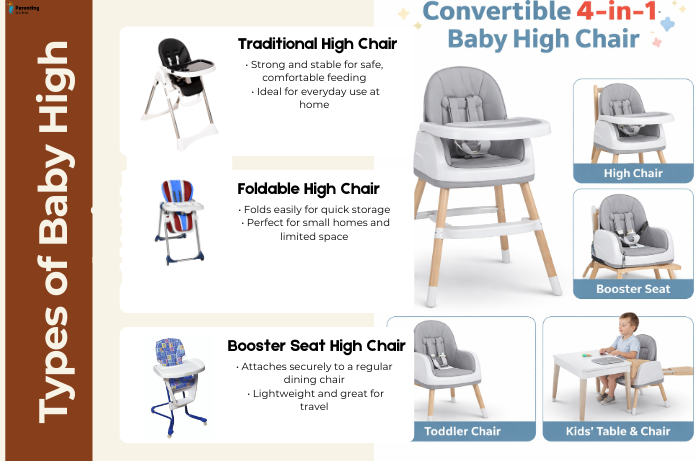
Types of Baby High Chairs
1. Traditional High Chair
- Sturdy and Comfortable
Traditional high chairs are made with strong, durable materials that provide excellent stability. The well-designed seat offers proper back and body support, keeping your baby comfortable during meals and allowing them to sit safely for longer feeding sessions. - Ideal for Daily Home Use
These high chairs are perfect for everyday feeding routines at home. Their stable design stays in one place, making mealtimes more predictable, safe, and stress-free for both parents and babies.
2. Foldable High Chair
- Easy to Store
Portable high chairs can be easily folded, making them simple to store when not in use. This feature is especially useful for families with limited space, allowing the chair to be tucked away neatly after mealtime. - Great for Small Homes
For small apartments or homes, space is often a challenge. A foldable high chair helps save space and can be quickly set up when needed, keeping mealtimes organized without cluttering the room.
3. Booster Seat High Chair
- Fits on a Regular Dining Chair
Booster seat high chairs are designed to attach securely to a standard dining chair, allowing your baby to sit safely at table height without needing a full-size high chair. This makes them a convenient option for homes with limited space or shared dining areas. - Perfect for Travel
These high chairs are lightweight and portable, making them ideal for trips, visits to relatives, or dining out. You can easily carry them and set them up anywhere, so your baby can enjoy meals comfortably, no matter where you are.
4. Convertible High Chair
- Grows with Your Child
Convertible high chairs are designed to adapt as your child grows. They start as a safe and comfortable high chair for infants, and as your child gets older, the chair can be adjusted to suit their changing needs, providing long-term use. - Can Turn into a Toddler Chair or Table
These best high chairs not just for feeding. Over time, they can be converted into a toddler chair or small table, making them practical and comfortable for years, supporting your child’s independence and daily activities.
How to Choose the Best Baby High Chair
When buying a baby high chair, look for:
- Strong safety harness (3-point or 5-point)
- Wide, stable base
- Comfortable seat with back support
- Easy-to-clean tray and seat cover
- Adjustable height and tray positions
- BPA-free and non-toxic materials
Comfort + safety should always come before design.
If you travel frequently, a portable high chair or portable high chair seat may be the most practical choice.
The U.S. Consumer Product Safety Commission recommends choosing high chairs with a wide base, sturdy frame, and secure safety harness to reduce injury risks.
Baby High Chair Safety Tips
- Always strap your baby in, even for short meals
- Never leave your baby unattended
- Place the chair on a flat, stable surface
- Keep it away from tables, walls, or cords
- Don’t let older siblings climb or hang on the chair
Safety first, every single time.
How Long Can a Baby Use a High Chair?
Most babies start using a high chair around 6 months of age, once they can sit up with minimal support and are ready to explore solid foods. Typically, a high chair is used until about 3 years old, depending on the child’s growth and comfort. Some convertible high chairs are designed to grow with your little one, easily transforming into a toddler chair or table, allowing your child to continue sitting safely and comfortably for meals well beyond the infant stage.
Cleaning & Maintenance Tips
- Wipe after every meal
- Wash the removable tray daily
- Clean straps regularly (food hides there!)
- Check screws and joints once a month
A clean baby sitting chair keeps your baby healthy and happy.
FAQs: Baby High Chairs
1. Can a baby use a high chair before 6 months?
Only if your baby can sit upright with good head and neck control. Most babies aren’t ready before 6 months.
2. Is a 5-point harness better than a 3-point harness?
Yes. A 5-point harness offers more security, especially for active babies.
3. Can I use a high chair for baby-led weaning?
Absolutely. Just ensure your baby sits upright and is always supervised.
4. Are wooden high chairs safe?
Yes, if they are sturdy, well-balanced, and meet safety standards.
5. How long should a baby sit in a high chair?
Keep meals relaxed and short, usually 15–30 minutes. Avoid leaving babies seated for long periods.
Final Thoughts
A baby high chair is more than just a feeding seat; it’s where your child learns independence, routine, and confidence around food. Choosing the right one and using it safely can make mealtimes calmer and more joyful for your whole family.
Go slow, follow your baby’s cues, and enjoy these messy, beautiful moments; they grow up faster than we realize.
Mealtimes are about more than food; they’re about connection, patience, and learning together.
For more gentle, parent-first guides on feeding, development, and everyday baby care, explore more articles on Parenting Stories.com, where real parenting meets real support.
Disclaimer
This article is for general informational purposes only and does not replace professional medical or pediatric advice. Always consult your pediatrician if you have concerns about your baby’s readiness, posture, or feeding safety.