Every parent wants to give their baby the best possible start in life, and nutrition plays a bigger role in that than we often realize.
From the very beginning, your baby’s brain, body, immune system, and senses are growing at an incredible speed. What they eat during the first year becomes the foundation for their future, supporting learning, movement, emotional development, better sleep, and overall health.
But let’s be honest, feeding a baby can feel confusing at times.
You may find yourself wondering: Is my baby ready for solids? How much should I feed? Which foods are safe to start with? Am I doing this right? If these questions sound familiar, you’re not alone.
The comforting truth is that early nutrition doesn’t need to be perfect or stressful. What matters most is having the right guidance, staying patient, and responding to your baby’s needs. This baby nutrition guide is here to walk you through the journey step by step, helping you understand what to feed, when to introduce new foods, and how to build healthy eating habits from the very start.
With a little knowledge and a lot of love, feeding your baby becomes less overwhelming and more of a calm, meaningful part of your everyday routine.
Baby Nutrition Guide for 0–6 Months: Exclusive Milk Feeding
At this stage, your baby’s diet is beautifully simple, just milk. Breast milk or formula provides complete nutrition, supporting brain development, immunity, digestion, and emotional bonding during these crucial early months.
Breast Milk
• Breast milk is naturally designed for your baby.
• It has the right balance of fat, protein, antibodies, hydration, and immune support.
• It supports brain growth, gut health, and bonding.
• Newborns usually feed every 2–3 hours (sometimes more in growth spurts).
Mom Tip: Take care of yourself too. Staying hydrated and nourished helps you keep going physically and emotionally.
Formula Feeding
Formula is also a healthy way to feed your baby, especially if breastfeeding isn’t possible or isn’t your choice. A fed baby is a loved baby.
• Use an age-appropriate formula your pediatrician recommends.
• Prepare it with clean, safe water and follow the instructions exactly.
• Don’t water it down and don’t add cereal to the bottle, your baby’s digestive system is not ready for that yet.
Important to remember in this stage:
No water.
No juice.
No solids.
Why? Your baby’s stomach and kidneys are still developing. The AAP recommends exclusive breast milk or formula for about the first 6 months of life.
Breast milk or formula supplies everything your baby needs right now, which is why most baby nutrition guide recommendations emphasize exclusive milk feeding during this period.
6–8 Months: First Solids (Stage 1 Feeding)
This is such an exciting milestone: your baby starts discovering food.
Around 6 months, babies are developmentally ready to explore foods beyond milk. According to this baby nutrition guide, solids at this stage are about learning, not quantity.
Signs Your Baby Is Ready
Your baby may be ready for solids if they:
• Can sit with minimal support.
• Hold their head up steadily.
• Show interest in food (watching you eat, leaning toward your spoon).
• Don’t automatically push food out with their tongue.
If you’re seeing those signs, you can start.
Great First Foods
Start with smooth, single-ingredient purees. Offer 1–2 teaspoons at first. Gradually increase the amount as your baby shows interest, helping them explore new flavors, improve coordination, and develop healthy eating habits.
• Iron-fortified baby cereal (rice, oatmeal, or multigrain) mixed with breast milk or formula.
• Pureed fruits: banana, pear, apple, avocado.
• Pureed vegetables: sweet potato, carrot, pumpkin, peas.
Why iron matters
Around 6 months, babies start to use up the iron they were born with. Iron is important for brain development and healthy blood. Foods like iron-fortified cereals, lentils, and pureed meats can help.
How to introduce new foods
• Offer one new food at a time.
• Wait 3–4 days before introducing another new food.
• Watch for signs of reaction like rashes, vomiting, or unusual fussiness.
This slow, calm approach helps you notice any allergies or sensitivities.
A note for worried parents: according to current CDC guidance, early exposure to different flavors and textures (in a safe way) may actually help reduce picky eating later on.
This stage is not about finishing the bowl. It’s about tasting, touching, learning.
Milk is still the main source of calories at this age. Solids are just beginning.
8–10 Months: Exploring New Textures (Stage 2 Feeding)
As chewing and coordination improve, your baby can move on to thicker textures. A well-planned baby nutrition guide encourages mashed and soft foods during this stage to support jaw strength, oral development, and confidence with eating.
Messy eating is expected here. Messy means learning.
Foods to Add
Think soft, mashed, and easy to gum.
• Mashed fruits and veggies: banana, avocado, potato, spinach, pumpkin.
• Soft grains: very soft rice, small pasta, upma, well-cooked oats.
• Protein options:
– Mashed beans or lentils
– Soft tofu
– Scrambled egg yolk
– Well-cooked, finely blended meats
• Dairy (small amounts): plain unsweetened yogurt or cottage cheese/paneer.
Still avoid these for now:
• Honey, not safe before 1 year because of the risk of botulism.
• Whole nuts, whole grapes, raw carrots, or any hard food chunks, choking risk.
• Too much salt or sugar, their kidneys and taste buds don’t need that yet.
What about water?
At this age, you can start offering a few small sips of water in a little open cup or sippy cup during meals. Not a full cup, not all day, just practice. This helps them learn how to sip.
Feeding at this stage is messy. That’s normal. Messy is learning.
10–12 Months: Finger Foods and Self-Feeding (Stage 3 Feeding)
By now, your baby wants to feed themselves. Offering soft finger foods supports independence, fine motor skills, and a positive relationship with food. This is an important milestone highlighted in every practical baby nutrition guide, as it sets the stage for lifelong eating habits.
Always supervise closely and keep portions soft and bite-sized.
What to Serve
Offer very soft, bite-sized pieces they can pick up with their fingers.
• Soft-cooked vegetables cut into tiny pieces (carrot, peas, pumpkin, beans).
• Bite-sized soft fruits like banana slices, kiwi pieces, steamed apple cubes, papaya.
• Shredded chicken or fish (well-cooked and fully deboned).
• Mashed or finely chopped egg.
• Whole grains: tiny pieces of chapati/roti softened with ghee or dal, rice, quinoa, pasta.
• Simple snacks: paneer cubes, boiled potato pieces, steamed veggies, soft fruit chunks.
Remember: Keep watching for choking hazards. Cut food small and make sure everything is soft enough to mash with gums.
According to Unicef responsive feeding, noticing your baby’s hunger and fullness cues, helps babies build a healthy relationship with food. So watch their signals. If they turn their head away, pause. If they lean forward and open their mouth, offer more.
Pressure shuts eating down. Trust invites them in.
12 Months and Beyond: Family Foods and Variety
By the time your baby turns one, they can usually eat many of the same foods the family eats, with small safety and texture modifications.
This stage is important because mealtime becomes a social learning experience.
Your baby learns eating habits, food preferences, and behavior by watching you.
Sitting together for meals supports your baby’s language development, social bonding, independence, and helps build a positive relationship with food that lasts a lifetime.
Aim for a balanced plate with:
• Fruits & Vegetables: Offer different colors through the day, leafy greens, orange veggies, berries, etc. Try for 3–5 small servings daily.
• Whole Grains: Rice, oatmeal, multigrain chapati, brown bread, idli, dosa, whole wheat pasta.
• Protein: Chicken, fish (well-cooked, no bones), egg, tofu, paneer, dal, beans.
• Dairy: Full-fat milk, curd/yogurt, paneer. Around 2–3 servings a day is common at this age.
• Healthy Fats: A little ghee, avocado, nut butter (thinly spread and smooth to reduce choking risk).
Tip for this stage:
Begin transitioning from bottle to an open cup or straw cup between 12 and 15 months. This helps with oral development and protects teeth.
Also, at this age, meals become more breakfast-lunch-dinner + 1–2 small snacks instead of constant tiny feeds. You’ll start seeing more of a family rhythm.
Key Nutrients for Baby’s Growth
Here are some of the most important nutrients in the first year, and where to find them. These essential vitamins and minerals support your baby’s brain, bones, immunity, and overall healthy growth during early development.
Iron
• Why it matters: Brain development, energy, healthy blood.
• Good sources: Iron-fortified cereals, mashed lentils/dal, spinach (cooked and blended), egg yolk, pureed meat.
Calcium
• Why it matters: Strong bones and teeth.
• Good sources: Breast milk/formula, yogurt, paneer, milk after 12 months.
Zinc
• Why it matters: Immune function and healing.
• Good sources: Beans, lentils, poultry, eggs.
Omega-3 (healthy fats)
• Why it matters: Brain and vision development.
• Good sources: Fatty fish (well-cooked and flaked), ground chia or flax (finely powdered and mixed into porridge).
Vitamin D
• Why it matters: Bone strength and calcium absorption.
• Good sources: Safe sunlight exposure, fortified milk/products, supplements if advised. Many babies are prescribed Vitamin D drops, follow your pediatrician’s guidance.
Protein
• Why it matters: Growth, repair, muscle development.
• Good sources: Chicken, egg, fish, beans, lentils, tofu, paneer.
Common Feeding Mistakes to Avoid
These are very common, so if you’ve done any of them, you’re not a bad parent. You just adjust and move forward.
- Forcing food If your baby turns away or closes their mouth, respect that. Forcing can create food battles.
- Adding sugar or salt Babies don’t need it. Let them taste real food as it is.
- Feeding in front of TV/phone every meal Distraction feeding can lead to overeating and disconnects them from their own hunger cues.
- Giving cow’s milk too early Avoid regular cow’s milk as a main drink before 12 months. It can increase the risk of anemia and is harder on the kidneys of younger babies.
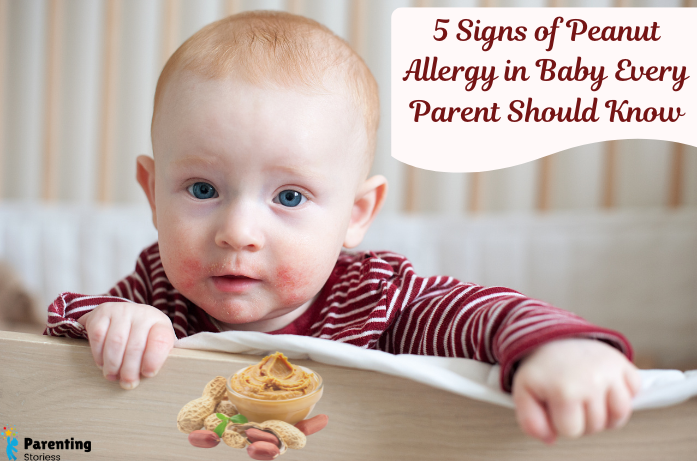
- Delaying all allergens just in case Unless your pediatrician says otherwise, many experts now suggest that small, safe, age-appropriate exposure to common allergens (like egg or peanut in thinned, smooth form) during the second half of the first year may actually lower allergy risk. Always introduce these carefully, at home, and watch closely.
Bonus Tip: Eat together when you can. Babies copy you. When they see you enjoying fruits, veggies, lentils, fish, etc., they’re more likely to try them too.
FAQs About Baby Nutrition
Q1. When can I introduce water?
After 6 months, you can offer small sips of water with meals. Before that, breast milk or formula alone is enough.
Q2. Can my baby be vegetarian?
Yes. Many babies are raised vegetarian. Just make sure they get iron, protein, zinc, and healthy fats from foods like lentils, beans, tofu, paneer, yogurt, egg (if you include egg), and iron-fortified cereals. Talk to your pediatrician about iron and B12 if you are strictly plant-based.
Q3. What if my baby keeps refusing a new food?
Totally normal. It can take 8–10 tries (or more) before a baby accepts a new taste. Keep offering very small amounts without pressure.
Q4. How do I know my baby is full?
Common fullness cues: turning the head away, sealing their lips, pushing the spoon away, or losing interest and playing with food instead of eating it.
Q5. Should I give supplements?
Some babies need Vitamin D drops, and some may need iron supplements. This depends on feeding type and growth needs, so follow your pediatrician’s advice.
Final Thoughts: Feed with Love, Not Pressure
Feeding your baby isn’t just about nutrients. It’s about trust, connection, and security.
There is no single perfect way to feed a child. Every baby grows at their own pace. When you follow a flexible, informed baby nutrition guide, you give your child something far more valuable than perfect meals, you give them confidence around food.
Focus on variety, patience, and presence. Let meals be calm. Let them be messy. Let them be loving.
Because you’re not just raising a healthy eater,
you’re raising a child who feels safe, heard, and cared for at the table.
At Parenting Stories, we believe mealtime is love-time. Every spoonful is a message: You are growing, and I am here with you.
Disclaimer
This article is for informational purposes only and is not a substitute for medical, developmental, or nutritional advice.
Always speak with your pediatrician or a qualified child nutrition professional before introducing new foods, allergens, formula types, or supplements.