Welcoming a newborn into your home is one of life’s greatest joys. Every tiny smile, coo, and kick fills your heart with happiness. But along with the joy comes responsibility. Babies are fragile, curious, and highly dependent, so creating a baby safety checklist at home is essential, not just for protection, but for your peace of mind too.
From ensuring safe sleep for infants and proper feeding to baby-proofing the home and emergency preparedness, there are small, important steps every new parent should follow. This guide will walk you through practical, parent-tested ways to keep your baby safe while making daily routines smoother and more enjoyable.
Safe Sleep Setup
Sleep is critical for newborn growth and development. Babies should always be placed on their backs, on a firm, flat mattress in a crib or bassinet. Loose blankets, pillows, stuffed toys, and crib bumpers should be avoided. Consider using wearable blankets or sleep sacks to keep your baby warm safely.
Keeping the sleep area in a smoke-free environment is crucial, and a baby monitor for newborn safety can help you keep an eye on your little one while they sleep. Room-sharing without bed-sharing is recommended for the first 6–12 months, allowing you to respond quickly to nighttime needs and align with safe sleep practices for infants.
Baby-Proofing the Home
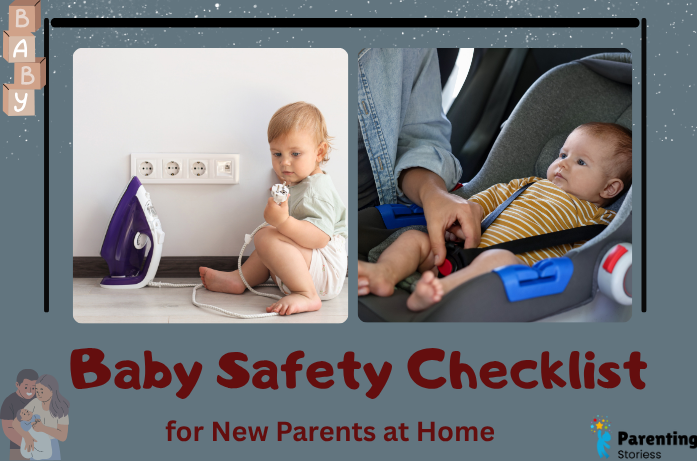
As babies begin to crawl and explore, they come across hazards you might never expect. Install safety gates at stairs and doorways, cover electrical outlets, and anchor heavy furniture or TVs to walls. Keep small objects, choking hazards, and plastic bags out of reach, and store medicines or cleaning products in locked cabinets.
Creating a safe “play zone” with cushioned mats provides an environment where your baby can explore freely while you supervise nearby. Regularly reassess your home as your baby grows and new safety challenges appear. These simple baby-proofing tips help parents prevent accidents and support development.
Car Safety
Traveling safely with a newborn requires attention to detail. Always use a rear-facing car seat for infants that fits your baby’s age, weight, and height. The National Highway Traffic Safety Administration (NHTSA) explains car seat rules in detail and offers a Car Seat Safety Guide for parents. Ensure it is properly installed in the back seat, never in front of an active airbag. Straps should be snug, with only one finger’s width between the harness and your baby’s chest.
For trips, carry a small emergency kit including diapers, wipes, and a spare outfit. Prioritizing car seat safety belongs on every newborn safety checklist.
Feeding Safety
Feeding is both nourishment and a safety practice. Check the temperature of breast milk or formula before feeding, and sterilize bottles, nipples, and feeding equipment regularly. Never prop a bottle, hold your baby upright to prevent choking.
A safe feeding station with back support reduces strain on your body, and feeding on demand can help reduce fussiness and support healthy digestion. Burping your baby after feeds also helps release trapped air and prevent discomfort. These feeding safety tips for babies make daily routines calmer and safer.
Bathing & Hygiene
Bathing is an excellent bonding opportunity, but safety comes first. Never leave a newborn unattended in the bath. Use lukewarm water and mild, fragrance-free products, keeping all items within arm’s reach. Regularly stock and organize diapers, wipes, and creams for convenience.
Gentle routines, like baby massage after baths, can calm your little one, improve circulation, and create a positive sensory experience, great additions to a practical baby safety checklist.
Temperature & Environment
Newborns are sensitive to temperature changes. Maintaining a comfortable room temperature of 68–72°F (20–22°C) is ideal. Avoid direct sunlight, drafts, and ensure smoke and carbon monoxide detectors are functional in every room. Layer clothing appropriately to prevent overheating or chilling. These everyday habits strengthen home baby safety for new parents.
Health & Emergency Preparedness
Being prepared for emergencies gives parents confidence. Keep your pediatrician’s contact information handy, maintain a baby-safe first-aid kit, and learn infant CPR and choking relief techniques. Check expiration dates on medicines and baby products regularly.
Attending certified newborn care classes or CPR workshops can provide valuable skills and reassurance for new parents and should be part of any baby safety checklist at home.
Everyday Safety Habits
Develop daily habits that reinforce safety. Always supervise tummy time or floor play, and encourage diaper-free play in safe, cushioned areas. Wash hands before handling your baby, especially after diaper changes. Regularly inspect toys and baby gear for wear and tear.
Even small routines, like weekly safety checks around the house, can prevent accidents as your baby grows and becomes more mobile.
Mental & Emotional Safety
Safety extends beyond the physical. Babies thrive on consistent love and reassurance. Respond promptly to cries, maintain predictable routines, and provide gentle guidance during stressful moments. A calm, attentive parent helps the baby feel secure and confident in their environment, an often overlooked part of newborn safety at home.
Parent Self-Care
Caring for a newborn is exhausting, so prioritizing your well-being is critical. Rest when possible, eat nourishing meals, stay hydrated, and accept help from family or friends. Even a 10-minute break outdoors can reset your energy and improve your ability to respond calmly to your baby’s needs. Parent self-care supports safer decision-making day to day.
FAQs About Baby Safety
- How do I ensure my baby sleeps safely?
Place your baby on their back on a firm mattress without loose bedding. - What should I check before giving a bath?
Water temperature, safe products, and reachability of items. - How do I baby-proof effectively?
Cover outlets, anchor furniture, lock hazards, and use gates. - Is it safe to leave my baby alone in a crib?
No, never leave a newborn unattended. - When should I call a doctor?
If your baby shows unusual symptoms, persistent crying, or injury. - Can I use both cloth and disposable diapers safely?
Yes, many families use cloth at home and disposables for outings. - Do I need to use only baby-safe products?
Always avoid harsh chemicals, fragrances, or talcum powder. - How can I stay calm when my baby cries a lot?
Take breaks, breathe deeply, ask for support, and ensure your baby’s basic needs are met. - When can I start tummy time safely?
You can begin tummy time as soon as your baby comes home from the hospital, just a few minutes at a time, always supervised, on a firm and safe surface. Gradually increase the time as your baby gets stronger. - Do I need baby monitors, or are they optional?
Baby monitors aren’t strictly necessary, but they provide peace of mind, especially if your baby sleeps in a separate room. Audio or video monitors can help you respond quickly without disturbing their rest.
Final Thoughts
Babyproofing your home and practicing safe routines protects your child and gives you confidence as a parent. Safety is ongoing, regularly reassess your environment as your baby grows. Every small action contributes to a secure space where your baby can explore, learn, and thrive.
Explore Parenting Stories
Loved this guide? Explore more expert-backed safety tips, feeding guides, and newborn care checklists at ParentingStories.com, short, real-life advice from one parent to another.
Disclaimer: This article is for informational purposes only and does not replace professional medical advice. Always consult your pediatrician for guidance specific to your baby’s health and safety.