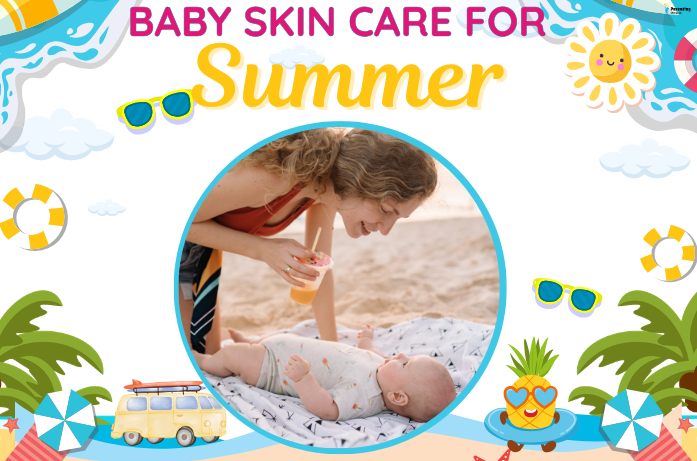
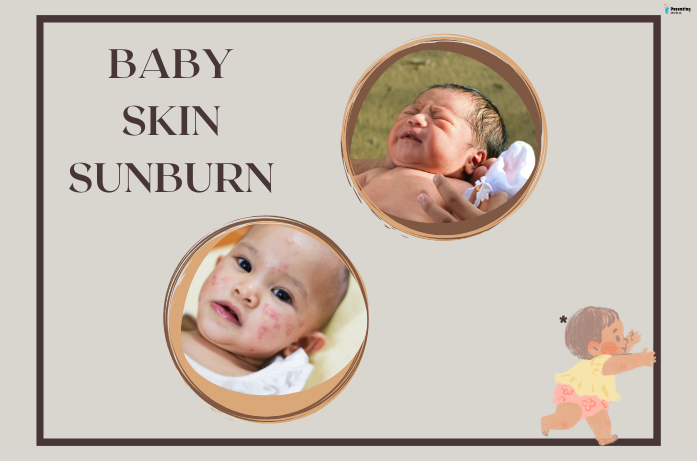
A baby’s skin is incredibly delicate, much thinner and more sensitive than an adult’s. Because of this, even a brief time in direct sunlight can cause sunburn, especially in newborns and babies under six months.
If you’ve noticed redness on your baby’s cheeks, shoulders, or arms after spending time outdoors, it may be a sign of mild sunburn. While most cases can be managed gently at home, protecting your baby from the sun is always the best approach.
In this guide, we’ll gently walk you through:
- Why baby skin sunburns so easily
- Common signs of sunburn in babies
- Safe and soothing ways to treat mild sunburn
- When it’s important to call the doctor
- Simple tips to prevent baby sunburn in the future
Why Baby Skin Gets Sunburned Easily
A baby’s skin is much more delicate than an adult’s. It is thinner, which means the sun’s rays can penetrate and affect it more quickly. Babies also have less melanin, the natural pigment that helps protect the skin from UV damage, making their skin far more sensitive to sunlight.
Because of this, babies can develop sunburn much faster than adults, sometimes in as little as 15–20 minutes of direct sun exposure. Infants under six months are especially vulnerable, as their skin has not yet developed the natural defenses needed to handle strong sunlight. That’s why even short periods outdoors require gentle protection and extra care.
According to the American Academy of Pediatrics, babies under six months should be kept out of direct sunlight to prevent skin damage. For more information, visit AAP’s sun safety guidelines.
Signs of Sunburn in Babies
Sunburn in babies doesn’t always show up right away. In many cases, the symptoms begin to appear a few hours after sun exposure, so it’s important to keep an eye on your baby’s skin and behavior after spending time outdoors.
Common signs of mild sunburn include:
- Red or pink-looking skin
- Skin that feels warm or hot to the touch
- Slight swelling in the affected area
- Fussiness or unusual irritability
- Tenderness or discomfort when the skin is touched
These signs usually indicate a mild sunburn that can be soothed with gentle care at home.
More serious symptoms to watch for:
- Blisters on the skin
- Fever or raised body temperature
- Chills
- Signs of dehydration (dry mouth, fewer wet diapers)
- Unusual sleepiness or low energy (lethargy)
If you notice any of these severe symptoms, it’s best to contact your pediatrician right away. Prompt medical advice can help ensure your baby stays safe and comfortable while their skin heals.
The American Academy of Dermatology emphasizes early skin protection from UV exposure to prevent burns and long-term damage. Read more on their official page here.
How to Treat Mild Baby Skin Sunburn
If your baby’s skin looks slightly red and feels a bit warm to the touch, it may be a mild sunburn. There’s no need to panic, with gentle and loving care, you can help soothe your baby’s skin and keep them comfortable.
Move Your Baby Out of the Sun
The first step is to bring your baby indoors or into a cool, shaded area. This prevents further sun exposure and gives the skin a chance to calm down and begin healing.
Gently Cool the Skin
Providing mild cooling can help reduce discomfort and inflammation.
- Place a cool (not cold) damp cloth softly on the affected area
- You may give your baby a short lukewarm bath
- Avoid ice or very cold water, as it can irritate delicate skin
Keep Your Baby Well Hydrated
Sunburn can sometimes lead to mild dehydration, so offering fluids is important.
- Breastfeed or offer formula a little more often
- For older babies, offer extra fluids as advised
Proper hydration supports the body’s natural healing process.
Use a Gentle, Baby-Safe Moisturizer
After cooling the skin, applying a mild moisturizer can soothe dryness and irritation.
- Fragrance-free aloe vera gel
- A gentle baby moisturizer
Avoid products with strong fragrances or alcohol, as they may cause further irritation.
Dress Your Baby in Soft, Loose Clothing
Choose light, breathable fabrics like cotton and dress your baby in loose-fitting clothes. This helps prevent rubbing against the sensitive skin and keeps your baby more comfortable as the skin heals.
With calm, gentle care, most mild sunburns improve quickly, and your baby will feel relaxed and comfortable again.
What NOT to Do
When your baby has a sunburn, it’s just as important to know what to avoid as it is to know how to treat it. Some remedies that seem helpful for adults can actually be too harsh for a baby’s delicate skin, so a gentle approach is always best.
- Avoid using adult burn creams or strong medicated ointments, as they may contain ingredients that can irritate your baby’s sensitive skin.
- Do not place ice directly on the skin, since extreme cold can cause further discomfort and irritation.
- If blisters appear, resist the urge to touch or pop them, as this can increase the risk of infection and delay healing.
- Try not to apply heavy oils or thick products right away, because they can trap heat in the skin and make the burn feel worse.
A baby’s skin needs soft, gentle care. Keeping things simple and soothing will help your little one feel more comfortable as their skin heals.
When to Call the Doctor
Mild baby skin sunburn usually gets better with gentle care at home, but there are certain signs that shouldn’t be ignored. If your baby seems more uncomfortable than usual or something doesn’t feel right, it’s always best to speak with your pediatrician for reassurance.
Contact your doctor if your baby has:
- Blisters on the skin
- Fever
- Vomiting
- Severe pain or unusual distress
- Signs of dehydration, such as a dry mouth or fewer wet diapers
- Sunburn that covers a large area of the body
Babies under one year of age are more sensitive to sun exposure, so it’s important to watch them closely afterward. Getting timely medical advice can help ensure your baby stays safe, comfortable, and well cared for while their skin heals.
How to Prevent Baby Skin Sunburn
Protecting your baby’s delicate skin from the sun is much easier than treating sunburn later. With a few simple precautions, you can keep your little one safe and comfortable whenever you step outdoors.
Avoid Direct Sun (Especially 10 AM–4 PM)
During these hours, the sun’s rays are at their strongest and can affect your baby’s sensitive skin very quickly. Whenever possible, plan outdoor time in the early morning or late afternoon when the sunlight is gentler.
Dress Your Baby in Protective Clothing
Clothing is one of the safest and most effective ways to shield your baby from the sun.
- A wide-brim hat to protect the face and neck
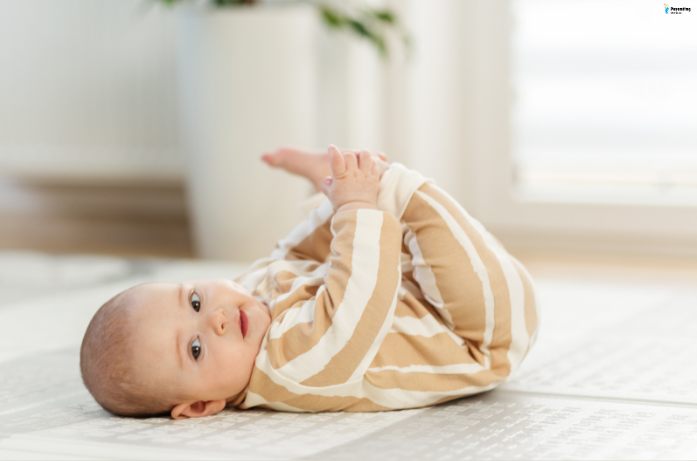
- Lightweight, long-sleeved cotton clothing
- Baby sunglasses, if your baby is comfortable wearing them
Soft, breathable fabrics help keep your baby cool while also providing good sun protection.
Make Use of Shade
Keeping your baby in shaded areas greatly reduces direct sun exposure. You can use a stroller canopy, an umbrella, natural shade from trees, or a baby sun tent. For infants under six months, shade and protective clothing should be the primary protection rather than relying only on sunscreen.
Use Sunscreen Appropriately
For babies older than six months, sunscreen can offer extra protection.
- Choose a broad-spectrum sunscreen with SPF 30 or higher
- Prefer mineral-based formulas with zinc oxide or titanium dioxide
- Apply about 15 minutes before going outside
- Reapply every two hours, especially if sweating or after water play
For babies under six months, it’s best to consult your pediatrician before using sunscreen. With a little planning and mindful care, you can enjoy time outdoors while keeping your baby’s skin safe and healthy.
Long-Term Importance of Sun Protection
Repeated sunburn during childhood can increase the risk of:
- Lasting skin damage
- Premature aging later in life
- A higher risk of skin cancer in the future
Protecting your baby’s skin from an early age helps build healthy sun-safety habits that will benefit them throughout life.
Frequently Asked Questions (FAQs)
1. What are the signs of baby skin sunburn?
Common signs of baby sunburn include red or pink skin, warmth to the touch, slight swelling, fussiness or unusual irritability, and tenderness or discomfort when the skin is touched. If these signs are accompanied by more serious symptoms like blisters, fever, or dehydration, it’s important to contact your pediatrician right away.
2. Why does baby skin sunburn so easily?
Baby skin is much thinner and more delicate than adult skin, allowing the sun’s rays to penetrate and affect it more quickly. Babies also have less melanin, which helps protect the skin from UV damage, making them more sensitive to sunlight. This is why babies can develop sunburn in as little as 15-20 minutes of direct sun exposure.
3. How can I treat baby skin sunburn at home?
For mild sunburn, move your baby to a shaded area or indoors, apply a cool damp cloth to the affected area, offer extra fluids to keep them hydrated, and use a gentle baby-safe moisturizer. Avoid cold water or adult burn creams, as they can irritate delicate baby skin.
4. Should I apply sunscreen to my baby?
For babies older than six months, you can use a broad-spectrum sunscreen with SPF 30 or higher. Mineral-based sunscreens with ingredients like zinc oxide or titanium dioxide are ideal. For babies under six months, consult your pediatrician before applying sunscreen, as it may not be recommended.
5. When should I call the doctor about my baby’s sunburn?
If your baby develops blisters, fever, vomiting, severe pain, signs of dehydration, or if the sunburn covers a large area of the body, you should contact your pediatrician immediately. Babies under one year are especially sensitive to sun exposure, so early medical advice is crucial.
Final Thoughts
Baby skin sunburn can happen quickly, but with gentle care and proper prevention, you can protect your little one’s sensitive skin.
Remember:
- Shade first
- Protective clothing
- Limited sun exposure
- Baby-safe sunscreen (if age-appropriate)
At Parenting Stories, we believe that protecting your baby’s delicate skin starts with simple, mindful steps.
Have you ever had to deal with baby sunburn? Share your experiences and tips in the comments, your insights could help another parent keep their baby safe and comfortable under the sun!.
Disclaimer
This article is for informational purposes only and does not replace medical advice. If your baby shows severe sunburn symptoms or unusual behavior, consult a pediatrician immediately.