Yes, Traveling with a Baby Is Possible!
Traveling with an infant can feel like a huge task, you’ve just about figured out the routine at home, and now you’re expected to recreate it in a car, airport, hotel, or even another country.
Here’s the truth: you can travel with your baby.And it can be safe, comfortable, and even really sweet.
With the right prep, you’re not just surviving the trip, you’re making memories. Whether you’re heading on a road trip to see family or taking baby on their first flight, it mostly comes down to planning ahead, keeping realistic expectations, and staying flexible when things don’t go 100% to plan.
Babies can travel safely when parents follow basic safety steps like using the proper car seat, protecting sleep, feeding regularly, and keeping baby comfortable and hydrated.
This baby travel guide will walk you through exactly what to do, what to pack, and how to soothe your baby along the way, so travel feels less scary and more we’ve got this. With a little planning, you’ll discover that seeing the world through your baby’s eyes can be one of the most joyful parts of parenting.
1. Visit Your Pediatrician Before the Trip
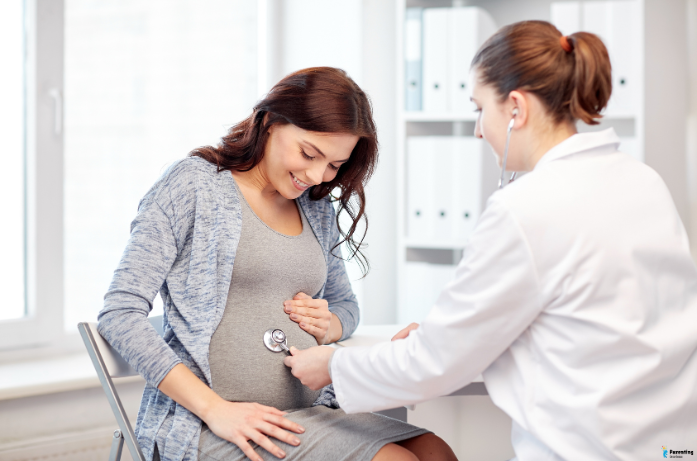
Before a long trip (especially if your baby is under 3 months old or if you’re flying), check in with your pediatrician. Discuss travel safety, feeding routines on the go, sleep adjustments, and any destination-specific precautions to keep your baby healthy and comfortable.
Things to ask:
• Is my baby healthy enough to travel right now?
• Are there any vaccinations needed for where we’re going?
• What should I do for ear pressure on the plane?
• What medicine should I carry, just in case?
Tip: Babies with colds, coughs, or ear infections may have a harder time handling air pressure changes during flights. Always ask your doctor before flying in those cases.
The Centers for Disease Control and Prevention (CDC) recommends that you travel with your baby’s vaccination record and any important medical notes, especially if you’re crossing borders.
This step gives you peace of mind. You’re not guessing, you’re prepared.
2. Choose the Right Travel Time
Timing can turn a stressful journey into a calm one. Planning your travel around your baby’s natural routine helps minimize fussiness, ensures better sleep, and makes feeding easier. A well-timed trip supports your baby’s comfort, reducing stress for both you and your little one.
• Try to travel during your baby’s usual nap time if possible, sleeping baby = peaceful travel.
• Avoid starting long trips right when they’re usually fussy (for many babies, evenings are the fussy window).
• If you’re driving, plan to stop every 2–3 hours to feed, change, and stretch.
Parenting Tip: Babies feel safe with routine. Try to keep feeding and sleep times close to normal so their little body doesn’t get too overwhelmed.
You don’t have to keep a perfect schedule while traveling, just keep it familiar.
3. Pack Smart, Light but Prepared
Yes, babies come with gear. But packing in a thoughtful, organized way can save you so much stress on the road or in the air. Use clear, labeled pouches for essentials like diapers, feeding items, and medicines. Smart packing keeps everything accessible, reduces clutter, and ensures smoother travel with your baby anywhere you go.
Baby Travel Essentials Checklist:
• Diapers, wipes, and disposable bags
• Portable changing pad
• 2–3 extra outfits for baby and 1 top for you, in case of spills/blowouts
• Nursing cover or burp cloths if breastfeeding
• Formula / expressed milk / bottles if bottle-feeding
• Bibs and pacifiers
• Soft blanket and 1–2 comfort toys
• Baby-safe sanitizer / hand wipes / washcloths
• First-aid basics (infant fever reducer if approved by your doctor, thermometer)
• Baby carrier or sling, lifesaver for airports and crowded places
Pro Tip: Always keep an emergency mini-bag in reach (not in the trunk, not in checked luggage). This bag should have diapers, wipes, extra onesie, pacifier, and a small blanket. You will thank yourself.
4. Safe Car Travel with Your Baby
Car safety starts with the right seat and the right positioning.
• Use a rear-facing car seat correctly installed in the back seat. For babies under 2 years old, this is what the AAP recommends for maximum protection.
• The car seat should not wobble or tilt. It should feel secure and snug.
• Never let baby sleep unbuckled or be held in arms while the car is moving, even for just a minute.
• Don’t put bulky jackets or blankets under the straps. Buckle baby in first, then place a blanket over the top if they’re cold.
Feeding note:
• Don’t feed your baby while the car is moving. If baby needs to eat, pull over. It’s safer and less stressful for both of you.
Travel Hack: Use a simple window sunshade to block direct sunlight from your baby’s face. It keeps them cooler and prevents crankiness from glare.
Most importantly: Never leave your baby alone in a parked car, even for a short time. Inside temperatures rise dangerously fast.
5. Air Travel: Soothing and Safe Skies
Flying with a baby sounds scary at first, but with the right planning and mindset, it’s completely manageable. Understanding airline policies, packing smart, and timing feeds around takeoff and landing can make the journey smoother. With preparation and calm energy, your baby can fly comfortably and safely.
Before You Fly
• Try to book nonstop flights when you can, fewer takeoffs/landings, fewer transitions.
• An aisle seat can make it easier to stand, bounce, and walk if baby gets fussy.
• Let the airline know you’re traveling with an infant. Some airlines can provide bassinets on long flights or let you pre-board to get settled.
Takeoff and Landing = Ear Pressure Time
This is when babies usually cry, not because they’re being difficult, but because their little ears hurt.
To help:
• Breastfeed, bottle-feed, or offer a pacifier during takeoff and landing. The sucking/swallowing helps relieve ear pressure.
• Keep baby more upright if you can during these times.
Keeping Baby Comfortable in Flight
• Dress baby in soft layers. Airplanes can feel cool.
• Bring a familiar blanket or sleep item for comfort.
• Gentle rocking, soft humming, or quiet shushing can help calm overstimulation.
• Walk the aisle (when allowed) if baby needs movement.
Bonus Tip: On international flights or if you’re going somewhere unfamiliar, carry familiar formula or baby food pouches. Different places may not stock your usual brand.
You don’t have to entertain your baby for hours with new toys. Often, all they want is closeness and calm.
6. Hotel or Family Stay Safety, Make It Baby-Friendly
Hotel rooms, rentals, or relatives’ houses are not set up for babies by default. Do a quick safety sweep when you arrive to baby-proof the space and ensure a safe, stress-free stay.
• Check the floor and low tables for choking hazards (coins, pills, beads, buttons).
• Look for exposed outlets, loose cables, or anything sharp at baby’s level.
• Keep hot drinks and medicines far out of reach.
• Ask for a crib or travel cot. Your baby should sleep on a firm, flat surface that’s meant for infants.
Safe sleep still matters on vacation:
• No sleeping on couches, armchairs, fluffy hotel pillows, or adult beds.
• Avoid letting baby sleep next to someone on a soft mattress where they could roll into a risky position.
The AAP reminds parents that safe sleep rules do not change just because you’re traveling.
Pro Tip: If the hotel or home doesn’t have a crib, consider bringing a lightweight travel bassinet. It gives you peace of mind and your baby a familiar sleep space.
7. Feeding and Hydration on the Go
Feeding away from home can feel like a juggling act, but with a little preparation, it becomes easy. Plan feeding times, pack essentials, and prioritize hygiene to keep your baby healthy and content while traveling.
• Keep bottles, nipples, spoons, bibs, and wipes in one clean, easy-access pouch.
• If you’re formula-feeding, pre-measure formula powder into small containers so you’re not scooping and guessing in public.
• Use safe, clean water for mixing formula, especially if you’re traveling somewhere new.
• Breastfeeding? Choose comfortable, easy-access tops and carry a cover or light scarf if that helps you feel relaxed in public spaces.
For babies on solids:
• Pack easy, travel-friendly options like mashed banana, soft avocado, baby cereal, or store-bought puree cups you trust.
• Offer frequent feeds in hot weather, babies can get dehydrated quickly.
Tip: Don’t rely on finding something there. Always carry at least one backup meal/snack your baby usually accepts without a fight.
8. Maintaining Sleep Routines While Traveling
A new place means new sounds, smells, and lighting, which can feel overwhelming for a baby. Help your little one adjust by keeping the sleep environment similar to home. Consistent lighting, the same bedtime routine, and a familiar blanket or sleep sack provide comfort and security, helping your baby sleep better and stay calm throughout the trip.
• Try to stick to your usual bedtime routine: feed, clean diaper, soft voice, dim lights, lullaby/cuddles.
• Bring something that smells like home, a sleep sack or comfort item your baby already uses.
• Use white noise (apps or portable sound machines) to block hotel/airport/city noise.
Parent Reminder: Babies get overstimulated FAST on trips. Schedule quiet downtime during the day. A calm break can save you from night meltdowns.
9. Keep Baby Entertained and Comfortable
A bored or overstimulated baby is more likely to get fussy. Keep things simple and soothing by offering age-appropriate toys, gentle engagement, and short play breaks to maintain comfort, happiness, and calm during travel.
• Bring a few small, familiar toys (soft book, rattle, lovey). Familiar items = comfort.
• Talk to your baby, sing, play peek-a-boo. Your voice is their favorite sound.
• Gentle rocking, walking, or patting can help them reset in busy places like airports.
Your calm presence helps them feel safe in new environments. You are home for them.
10. Be Prepared for Health and Emergencies
You don’t want to scramble in a new place if something happens. Make a tiny just in case health kit.
Must-have items:
• Baby thermometer
• Infant fever reducer (only what your pediatrician has approved and explained how to use)
• Saline drops and a small nasal aspirator for stuffy noses
• Band-aids and gentle antiseptic wipes
• Any regular medicines your baby takes
• A card or note with your baby’s medical info and emergency contacts
Tip: Save the nearest hospital / pediatric clinic number at your destination as soon as you arrive. This is one of those things you hope you never need, but you’ll be very glad you have.
FAQs About Traveling with Babies
- What’s the best age for a baby’s first trip?
For most healthy babies, short trips after around 2–3 months are usually okay. But always check with your pediatrician, especially for air travel or long-distance trips. - Can I baby-wear during the flight?
Yes, baby carriers are great for boarding, walking through the airport, and calming your baby mid-flight. But during takeoff and landing, most airlines require that baby not be strapped to you in a carrier, you’ll need to hold them in your arms. - How do I handle diaper changes on a plane?
Most airplanes have a tiny fold-down changing table in at least one restroom. Bring disposable changing pads and extra wipes. It’s not glamorous, but it works. - Should I bring my baby’s car seat on the plane?
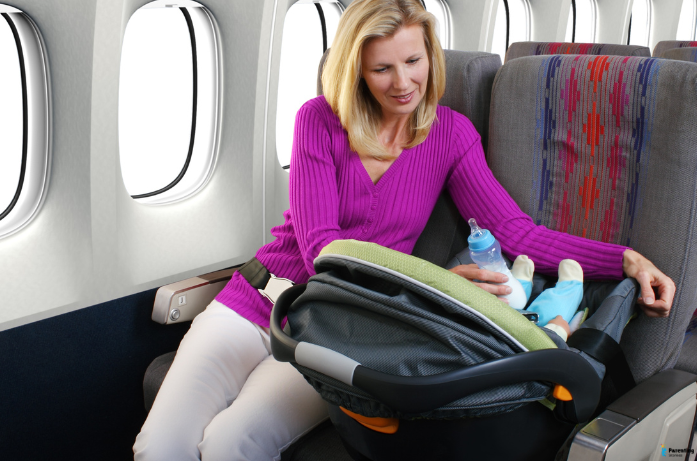
If you’ve purchased a separate seat for your baby, using an approved car seat on board is the safest option. Both the Federal Aviation Administration (FAA) recommend this whenever possible. - What if my baby gets sick while traveling?
Watch for fever, trouble feeding, or signs of dehydration (fewer wet diapers, dry mouth). Trust your instinct. If something feels off, seek medical help locally, don’t wait until you’re home.
Final Thoughts: Travel Is an Adventure, Not a Test
Here’s something important: your baby doesn’t care if the flight was delayed, if the bag was heavy, or if you forgot the perfect teether.
Your baby cares that you’re there.
Traveling with your baby isn’t about doing it perfectly. It’s about being responsive, gentle, and present. It’s okay if it’s messy. It’s okay if you have moments where you both cry a little. That’s all part of the memory.
Take breaks. Breathe. Ask for help when you need it. Laugh when plans change.
Because every trip, every cuddle in a new place, every sleepy snuggle in an unfamiliar room, these are little chapters in your baby’s story with you.
Ready to make more beautiful memories with your little one?
At Parenting Stories, we share real parent experiences and gentle, expert-backed guides, from travel and sleep to feeding and milestones.
Disclaimer
This article is for informational purposes only and should not replace medical or safety advice.
Always speak with your pediatrician before traveling with your baby, especially for flights or long-distance trips, and follow airline and local safety regulations.