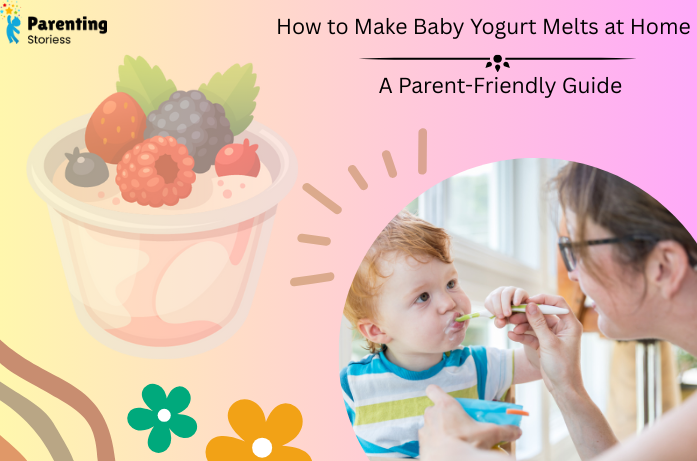
Baby yogurt melts are a soft, melt-in-the-mouth snack that helps babies enjoy self-feeding while getting healthy nutrients. Made with just yogurt and fruit, these homemade baby yogurt melts are easy to prepare, freezer-friendly, and perfect for babies learning the pincer grasp. This parent-friendly guide explains when to introduce baby yogurt melts, how to make them safely at home, and simple tips for success.
When Can Babies Eat Baby Yogurt Melts
Most babies can start enjoying yogurt melts around 8–10 months old, once they’ve already tried plain yogurt and fruits safely.
According to the American Academy of Pediatrics (AAP), whole milk yogurt (unsweetened and plain) is a safe and nutritious food for babies starting at about 6 months, when solids are introduced. The World Health Organization (WHO)also encourages introducing complementary feeding from 6 months, alongside breastmilk or formula.
Key things to remember before offering yogurt melts:
- Make sure your baby has already tolerated yogurt and the fruit you’re using.
- Introduce only one new ingredient at a time to watch for allergies.
- Avoid honey under 12 months due to the risk of infant botulism.
Why Yogurt Melts Are Great for Babies
- Nutritious: Packed with protein, calcium, healthy fats, and probiotics for strong bones, brain growth, and gut health.
- Soothing: Cold melts can help ease sore gums during teething, acting as gentle teething snacks.
- Encourage independence: Perfect for practicing the pincer grasp and self-feeding milestones (often used in baby-led weaning).
- Parent-approved: Freezer-friendly, budget-friendly, and free of added sugar or unnecessary additives.
Ingredients You’ll Need
- Plain whole milk yogurt (unsweetened, full-fat, best for brain growth and gut health).
- Fruit purée of your choice (banana, strawberry, blueberry, mango, peach, or pear work beautifully).
- Optional: A pinch of cinnamon or a tiny drop of vanilla extract (check with your pediatrician first).
Avoid honey in yogurt melts for babies under 1 year (FDA & CDC).
Step-by-Step Recipe for Baby Yogurt Melts
Prepare the fruit purée
- Wash, peel, and blend fruit until smooth.
- If using berries, strain to remove seeds for a smoother texture.
Mix with yogurt
- In a bowl, combine ½ cup plain or Greek yogurt with 2–3 tablespoons fruit purée.
- Stir until creamy.
Pipe onto a tray
- Line a tray with parchment paper.
- Transfer mixture into a piping bag (or ziplock with corner snipped).
- Pipe small dots, pea-sized or smaller.
Freeze
- Place tray in freezer for 2–3 hours, or until solid.
Serve & Store
- Pop melts off paper and serve a few at a time.
- Store extras in an airtight container in the freezer for up to 2 weeks.
- Do not refreeze once they’ve thawed.
Fun Flavor Ideas
- Banana + Greek Yogurt = Creamy & sweet
- Strawberry + Yogurt = Tangy & fresh
- Blueberry + Yogurt = Antioxidant-rich, vitamin C boost
- Mango + Yogurt = Tropical & smooth
- Sweet potato + Yogurt = Creamy veggie twist
Start with single flavors, then mix and match as your baby gets used to new tastes.
Parent Tips for Success
- Always supervise your baby while eating (CDC Infant Feeding Safety).
- Serve melts in a baby-safe bowl, not directly from the freezer container.
- Use plain, unsweetened yogurt (avoid added sugar or flavored yogurts).
- Great for teething relief, offer a couple of cold melts as soothing snacks.
- Treat them as a healthy snack, not a meal replacement.
FAQs About Baby Yogurt Melts
- Can I make yogurt melts without a piping bag?
Yes! Just use a teaspoon to drop small dollops onto parchment paper. - How long do yogurt melts last outside the freezer?
They melt within minutes at room temperature. Only take out what you plan to serve immediately. - Can I use Greek yogurt?
Absolutely! Greek yogurt makes melts thicker, creamier, and adds more protein. - Can toddlers eat yogurt melts too?
Yes, they’re safe and fun for toddlers as well. You can even make slightly larger dots. - What if my baby can’t have dairy?
Try unsweetened coconut or soy yogurt alternatives. Always check with your pediatrician or a registered dietitian (Academy of Nutrition and Dietetics). - Can I pack yogurt melts for travel?
Not ideal, they melt quickly. They’re best served at home, straight from the freezer.
Final Thoughts
Baby yogurt melts are more than just a snack, they’re tiny bites of joy that bring smiles, messy fingers, and confidence to your little one’s mealtime journey. Nutritious, simple, and freezer-friendly, they’re one of the easiest homemade baby snacks you can prepare.
At Parenting Stories, we believe food is not only about nourishment but also about bonding, exploration, and discovery. By choosing safe, pediatrician-approved snacks like yogurt melts, you’re supporting your baby’s development and making mealtimes fun.
Disclaimer:
This article is for informational purposes only. Always consult your pediatrician before introducing new foods, especially if your child has food allergies, sensitivities, or medical concerns.