When it comes to feeding your baby, baby feeding bibs are one of those small essentials that make a big difference in daily parenting. From catching tiny food spills during mealtime to absorbing drool throughout the day, baby bibs help keep your little one clean, dry, and comfortable. They protect clothes from stains and reduce the need for frequent outfit changes, making life a little easier for parents.
Beyond their practical use, best baby bibs can also be a cute and stylish part of your baby’s daily routine. With a variety of fabrics, designs, and features available, bibs are thoughtfully made to suit different stages, whether your baby is teething, starting solids, or simply drooling more than usual. Choosing the right bib not only keeps messes under control but also ensures your baby feels soft, comfortable, and irritation-free around the neck area.
In this guide, we’ll walk you through the different types of baby bibs, explain their benefits, and share helpful tips on how to choose the perfect bib for your little one’s needs. This will help you make a practical and confident choice that keeps both you and your baby happy during every feeding moment.
Why Baby Bibs Matter
Best baby bibs are a simple yet highly useful baby mealtime essential that helps protect your little one’s clothes from spills, drool, and food stains during feeding time. Since babies naturally tend to be messy eaters, bibs make it easier to keep their outfits clean and reduce the need for frequent outfit changes and extra laundry. They also keep your baby dry and comfortable by preventing moisture and food from irritating their delicate skin. Pediatric feeding guidance from HealthyChildren.org notes that keeping babies clean and dry during feeding helps support skin comfort and promotes healthy feeding habits, especially as babies begin exploring solid foods. As a result, mealtime becomes more relaxed, hygienic, and enjoyable for both you and your baby.
Key Benefits of Baby Bibs:
- Protects clothing: Keeps your baby’s clothes clean and stain-free during feeding and playtime.
- Comfortable for baby: Prevents food and drool from sticking to the skin, keeping your baby dry and at ease.
- Promotes hygiene: Helps reduce the chances of germs and bacteria by keeping the baby clean and dry.
- Adds a cute touch: Besides being practical, bibs also enhance your baby’s overall look with fun and stylish designs.
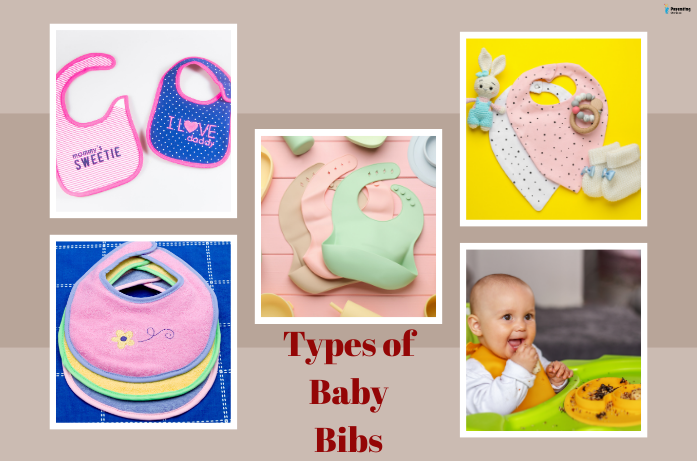
Types of Baby Bibs
Baby bibs are available in a variety of styles, materials, and designs. The right choice depends on your baby’s age, feeding stage, and daily habits. Understanding the different types can help you pick the most comfortable and practical option for your little one.
1. Standard Feeding Bibs
Standard baby feeding bibs are the most commonly used bibs during mealtimes. They are usually made from soft, absorbent fabrics such as cotton, terry cloth, or bamboo, which effectively catch spills and protect your baby’s clothes.
Why they matter:
- They are perfect for everyday feeding and are gentle on your baby’s delicate skin.
How to choose:
- Look for adjustable closures like Velcro or snaps to ensure a secure and comfortable fit. It’s also helpful to choose bibs that are easy to wash and dry quickly for daily use.
2. Drool Bibs (Bandana Bibs)
Bandana bibs for babies are ideal for babies who drool frequently, especially during the teething phase. They provide good coverage around the neck and chest while adding a stylish touch to your baby’s outfit.
Why they matter:
- They help keep clothes dry by absorbing excess drool, even before your baby starts solid foods.
According to guidance from the NHS, increased drooling is common during early development and teething, and using absorbent bibs can help keep babies dry and reduce skin irritation around the neck and chest.
How to choose:
- Opt for moisture-absorbing fabrics such as cotton or fleece, and choose adjustable snaps to prevent tightness or irritation around the neck.
3. Silicone or Waterproof Bibs
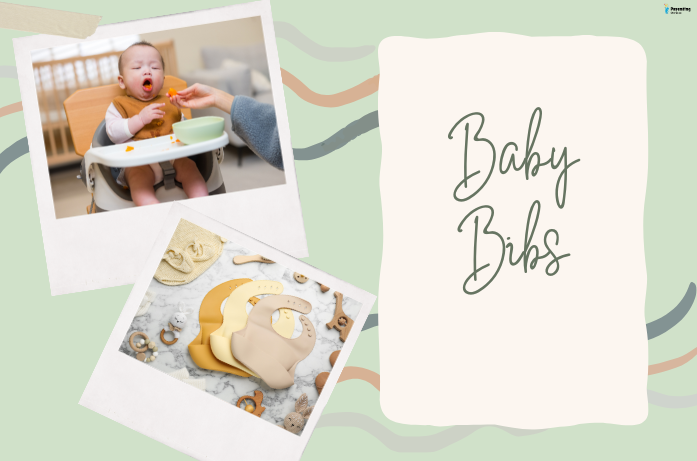
These bibs are made from silicone or other waterproof materials and are especially useful for messy eaters. Most of them come with a built-in pocket that catches falling food, making cleanup quick and simple.
Why they matter:
- They are very easy to clean, just wipe or rinse after use, and are perfect when babies begin eating solid foods.
How to choose:
- Select soft, flexible silicone for comfort, and make sure the pocket is wide and deep enough to catch food and liquids effectively.
4. Burp Cloth Bibs
Burp cloth bibs combine the usefulness of a burp cloth with the protection of a bib. They are particularly suitable for newborns or babies who tend to spit up after feeding.
Why they matter:
- They provide gentle protection and are highly absorbent, making them ideal for quick and easy clean-ups.
How to choose:
- Choose best baby bibs that are thick enough to absorb spit-ups but still soft on your baby’s sensitive skin. Adjustable necklines can help achieve a comfortable fit.
5. All-in-One Teething Bibs
Teething bibs are specially designed for babies who are teething and drooling more than usual. Many come with an attached teething ring or chewable corner to soothe sore gums.
Why they matter:
- They not only keep clothes clean and dry but also help comfort your baby during the teething phase.
How to choose:
- Look for bibs made from soft, non-toxic materials that are safe for chewing, and ensure they have adjustable fasteners for a snug yet comfortable fit.
Key Features to Look for in Baby Bibs
When choosing bibs for your baby, it’s helpful to focus on features that offer comfort, practicality, and ease of daily use. The right bib should not only protect your baby’s clothes but also feel gentle on their delicate skin while making cleanup simple for parents.
1. Material
Always choose soft, breathable, and absorbent materials that are kind to your baby’s sensitive skin. Fabrics like cotton, bamboo, or soft silicone are popular choices because they provide comfort while effectively absorbing spills and drool. It’s also wise to pick materials that are machine washable and quick-drying, as bibs are used multiple times a day.
2. Adjustable Closures
Bibs with adjustable closures, such as Velcro or snap buttons, are very practical. They allow you to achieve a snug yet comfortable fit as your baby grows and make it easy to put the bib on or remove it quickly, especially during busy feeding times.
3. Size and Coverage
Good coverage is essential to keep your baby’s clothes clean. Look for bibs that adequately cover the chest and neck area, as this helps catch more spills and drool. As your baby grows and becomes more active during meals, slightly larger bibs can offer better protection from bigger messes.
4. Ease of Cleaning
Since babies can be quite messy, bibs need frequent cleaning. Choosing bibs that are machine washable, waterproof, or easy to wipe clean can save time and effort. For instance, silicone bibs can often be rinsed quickly and reused within minutes, making them very convenient for daily use.
5. Comfort
Comfort should always be a top priority. The bib should feel soft and smooth against your baby’s skin, without rough edges or irritating seams. Gentle, non-abrasive fabric—especially around the neckline, ensures that your baby stays comfortable and happy throughout mealtime.
Tips for Using Baby Bibs
Using best baby bibs in the right way can make daily feeding and playtime much easier and cleaner. A few simple habits can help you get the most out of them while keeping your baby comfortable and happy.
• Keep a spare handy: Always keep a few extra bibs within reach so you can quickly change them during messy feedings or when your baby is drooling more than usual. This helps keep your little one dry and avoids unnecessary outfit changes.
• Use bibs during playtime: If your baby is teething, wearing a bib even during playtime can be very helpful. It absorbs excess drool and keeps their clothes clean and dry, while also protecting their delicate skin from irritation.
• Use bibs for every meal: Whether you are bottle-feeding, breastfeeding, or introducing solid foods, putting on a bib before meals helps protect your baby’s clothes from spills and stains, making mealtime more relaxed and stress-free for both of you.
FAQs: Choosing the Best Baby Bibs for Feeding and Comfort
Q1: How many baby bibs do I need for daily use?
Most parents find that having 5–7 bibs is ideal for daily use, especially during teething or when starting solid foods.
Q2: Which material is best for baby bibs?
Soft and absorbent fabrics like cotton, bamboo, and terry cloth are best for comfort, while silicone bibs are great for messy eaters and easy cleaning.
Q3: Are silicone bibs safe for babies?
Yes, food-grade silicone bibs are safe, durable, and easy to clean. Just ensure they are BPA-free and soft around the neckline.
Q4: When should babies start using bibs?
Babies can start using bibs from the newborn stage, especially for drooling, spit-ups, and later during feeding time.
Q5: How often should I change my baby’s bib?
Change the bib whenever it becomes wet or dirty to keep your baby’s skin dry and prevent irritation.
Q6: Can bibs help prevent skin rashes?
Yes, bibs absorb drool and food spills, which helps prevent moisture-related rashes around the neck and chest area.
Q7: What type of bib is best for starting solid foods?
Waterproof or silicone bibs with food-catching pockets are ideal for babies who are learning to eat solid foods.
Final Thoughts
Best baby bibs may seem like a simple accessory, but they serve a crucial role in keeping your little one comfortable, clean, and dry. With the right bibs, you can minimize the mess and ensure your baby is cozy and happy during feeding time.
Looking for more practical baby care tips and feeding essentials guidance?
Explore more helpful parenting guides at Parenting Stories, where every small parenting choice is made easier with expert-backed, gentle advice for modern parents.
Disclaimer
This article is for informational purposes only. Always consider your baby’s individual needs when choosing baby bibs and consult with your pediatrician for any specific concerns about your baby’s skin or feeding habits.