
Welcoming a baby is one of life’s most joyful and emotional experiences. From the moment you hold that tiny bundle in your arms, your world changes forever. Alongside the excitement, it’s natural for new parents to feel a little unsure, especially when it comes to infant feeding choices. You might wonder: What’s the best way to nourish my little one?
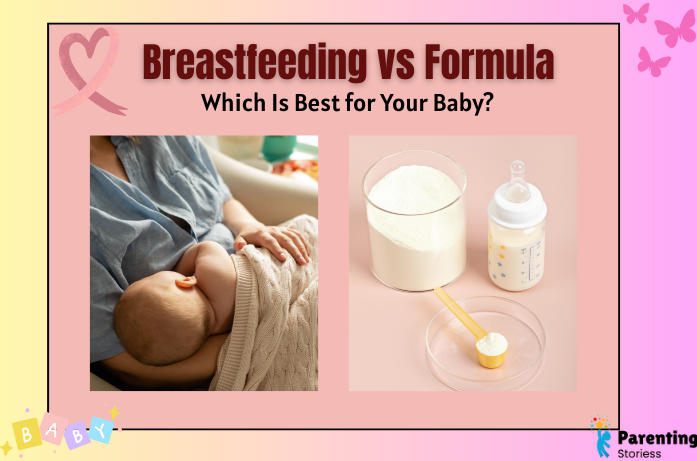
The debate between breastfeeding vs formula feeding has been around for generations, but the truth is there isn’t one perfect answer that suits every baby and every family. Breast milk benefits are often praised as nature’s ideal food, full of antibodies and nutrients, while formula feeding benefits offer a safe, reliable alternative for parents who need flexibility or face challenges with nursing.
What really matters is that your baby is fed, loved, and thriving, and that you, as a parent, feel supported and at peace with your choice. Trust yourself, listen to your baby’s cues, and don’t be afraid to seek guidance from your pediatrician or a lactation consultant if you need help. Whether you decide to breastfeed, formula-feed, or combine the two, remember that this journey is about nourishing both body and bond, creating moments of closeness that your baby will carry in their heart forever.
Why Feeding Choice Matters
In your baby’s first year, feeding and nutrition for infants isn’t just about filling tiny tummies, it’s about helping their brain grow, building strong immunity, and laying the groundwork for healthy eating habits that can last a lifetime. Every sip, whether it’s breast milk or formula, is also a moment of connection: a quiet cuddle during a midnight feed, the way their fingers curl around yours, or that gummy smile after a satisfying burp. These simple rituals give your baby a sense of safety and belonging.
Health experts, including the World Health Organization (WHO), recommend exclusive breastfeeding for about the first six months because it naturally adjusts to your baby’s needs and offers protective antibodies. At the same time, modern infant formulas are carefully designed to provide the nutrients babies need when breastfeeding isn’t possible or doesn’t fully meet your family’s circumstances. What matters most is that your little one is well-fed, growing, and surrounded by love, and that you can savor this precious season without the weight of constant second-guessing.
The Beauty of Breastfeeding
Breast milk is often called liquidgold, and for good reason. From the very first drops of colostrum in the early days to the rich, mature milk that follows, it gently adapts to meet your baby’s changing needs. It’s more than food; it’s comfort, warmth, and a way for your baby to feel safe in your arms. Nursing can soothe fussy moments, calm tears, and create a rhythm of closeness that reassures both of you.
When we look at its benefits of breastfeeding, the list is long and meaningful:
• Tailored nutrition that evolves as your baby grows, supporting healthy weight and brain development
• Natural antibodies that help protect against infections, allergies, and certain illnesses
• Encourages precious skin-to-skin bonding and emotional security, which can boost your baby’s confidence later in life
• Free, always ready, and gentle on the environment, no bottles to prepare or waste to create
• Supports a mother’s own health, aiding recovery after birth and, according to the Centers for Disease Control and Prevention (CDC), potentially lowering the risk of certain cancers and heart disease
Breastfeeding can also feel like a quiet pause in the middle of a busy day, a chance to slow down and soak in your baby’s scent, tiny fingers, and trusting gaze. Even if the journey has its challenges, the rewards, for both body and heart, can be profound.
Common Challenges
Many parents face hurdles like sore nipples, latch issues, or worries about whether their milk supply is enough. Those first few weeks can be an emotional roller coaster, one feed might go smoothly, while the next leaves you both in tears. Feeding on demand, especially at night, can leave you feeling as if you’re running on empty.
It’s completely normal to need help, and it doesn’t mean you’re failing. Reaching out early to a lactation consultant, your pediatrician, or a breastfeeding support group can make all the difference. They can show you comfortable positions, check your baby’s latch, and reassure you about what’s normal. Some parents also find relief in gentle nipple creams, warm compresses, or using a breast pump occasionally to give themselves a break. Surrounding yourself with encouragement, whether from professionals, friends, or other moms, can help turn a stressful feeding journey into a more relaxed, bonding experience for you and your baby.
Understanding Formula Feeding
Infant formula feeding is a scientifically developed, regulated option that supports healthy growth when breastfeeding isn’t possible or desired.
Its greatest strength is flexibility, partners and caregivers can take turns feeding, which allows parents to rest or return to work. Formula also makes it simple to track exactly how much your baby is consuming.
However, it requires preparation and sterilizing equipment, and costs more than breastfeeding. While it doesn’t contain natural antibodies, bonding is still possible with plenty of cuddles and eye contact during feeds.
How Much and When
Most newborns feed around 8–12 times in 24 hours, whether they are breastfed or formula-fed. Each baby is unique, so the exact number of feeds may vary day to day. Formula-fed babies usually start with 1–2 ounces (30–60 mL) per feeding and gradually increase to about 3–4 ounces (90–120 mL) by one month (HealthyChildren).
But rather than following a strict schedule, it’s best to pay attention to your baby’s hunger cues. Rooting, sucking on hands, fussing, or making little noises can all signal hunger. Conversely, turning away, closing the mouth, or falling asleep may indicate they’re full.
Steady weight gain, plenty of wet diapers, and a generally content demeanor are the best signs that your baby is getting enough nutrition. Remember, feeding isn’t just about quantity, it’s also a time for bonding, comfort, and learning each other’s rhythms, which helps both baby and parent feel more confident and connected.
Combination Feeding
Many families find that blending breastfeeding and formula, often called combination feeding or mixed feeding, offers the best of both worlds. This approach provides flexibility, allowing partners, grandparents, or caregivers to help with feeds, which can be a huge relief during sleepless nights or busy days.
It also supports parents if breast milk supply fluctuates or if returning to work makes exclusive breastfeeding challenging. When combining feeding methods, it’s important to keep an eye on your supply and maintain regular breastfeeding sessions to prevent a drop in milk production.
Gradual changes, patience, and observation are key, as every baby responds differently. Discussing your plan with a pediatrician or lactation consultant can help ensure your little one gets enough nutrition while maintaining comfort and emotional closeness. Blended feeding can strengthen bonding moments, from quiet cuddle times during a bottle feed to skin-to-skin sessions at the breast, helping both baby and parent feel secure, supported, and connected.
Myths and Facts
- Myth: Formula-fed babies aren’t as healthy.
Fact: Modern infant formulas provide complete nutrition, including essential vitamins, minerals, proteins, and fats. When prepared safely, formula supports healthy growth, brain development, and overall wellbeing. Many babies thrive on formula, especially when breastfeeding isn’t an option. - Myth: Breastfeeding is always natural and effortless.
Fact: Breastfeeding often takes time, practice, and support. Challenges like sore nipples, low milk supply, or slow weight gain are common. Guidance from a lactation consultant or support groups can make the process easier and more enjoyable. - Myth: Mixing breast and formula confuses babies.
Fact: Most babies adapt well to breastfeeding and formula feeding if changes are gradual. Blended feeding offers flexibility, helps parents returning to work, and allows partners or caregivers to participate, all while keeping the baby healthy, happy, and secure.
Caring for Yourself
Feeding your baby, whether you choose breastfeeding, formula, or a combination, can be physically and emotionally demanding. Taking care of yourself is not a luxury; it’s essential for your baby’s wellbeing.
Try to rest whenever your little one naps, even if it’s just a short break to recharge. Eat balanced meals packed with nutrients, and keep water or hydrating drinks nearby to stay energized. Simple snacks like nuts, yogurt, or fruit can help maintain your stamina during long feeding sessions.
It’s also important to seek and accept support from loved ones. Let partners, family, or friends help with diaper changes, bottle prep, or even just holding the baby so you can shower or rest. Joining local or online parenting groups can offer encouragement, practical tips, and a sense of community, reminding you that you’re not alone in this journey.
Remember, a well-rested, nourished, and supported parent is better equipped to provide patience, love, and comfort to their baby.
When to Seek Support
Contact your pediatrician or a certified lactation consultant if you notice any of the following signs:
- Your baby isn’t gaining weight steadily, or has fewer than six wet diapers a day, which may indicate insufficient intake.
- You experience persistent nipple pain, engorgement, cracked or bleeding skin, or other feeding-related discomforts that don’t improve with basic adjustments.
- Your baby spits up excessively, shows signs of intolerance, rashes, or possible food allergies, or seems unusually fussy after feeds.
- Feeding feels overwhelming, stressful, or emotionally draining, leaving you anxious or exhausted.
Early intervention can make a world of difference. Professionals can help adjust feeding techniques, suggest alternatives, check for underlying issues, and provide reassurance. Seeking guidance promptly can prevent small concerns from escalating into bigger challenges, ensuring both you and your baby feel safe, nourished, and confident in your feeding journey.
Final Thoughts
Breastfeeding vs formula feeding isn’t about winning or losing, it’s about finding what works for your family. Whether you breastfeed, formula-feed, or mix both, what matters most is that your baby is nourished and loved, and you feel confident in your choice.
A fed baby is a happy baby, and a calm, supported parent is just as important.
FAQs
1. Is breastfeeding better than formula?
Both are healthy options. Breast milk has antibodies, but formula is safe and nutritious too.
2. Can I mix breastfeeding and formula?
Yes, many parents do combination feeding for flexibility.
3. How do I know my baby is getting enough?
Look for steady weight gain, six wet diapers daily, and a content baby after feeds.
4. Does formula upset babies’ stomachs?
Some babies may be sensitive. Special formulas are available, check with your doctor.
5. When should I start solids?
Around 6 months, while continuing breast milk or formula.
For more heartfelt tips, expert-backed guidance, and real parent stories, visit Parenting Stories, your friendly corner for everything baby and beyond.
Disclaimer
This article is intended for general informational purposes only and should not replace professional medical advice. Always consult your pediatrician, midwife, or a certified lactation consultant to decide what’s best for you and your baby.