
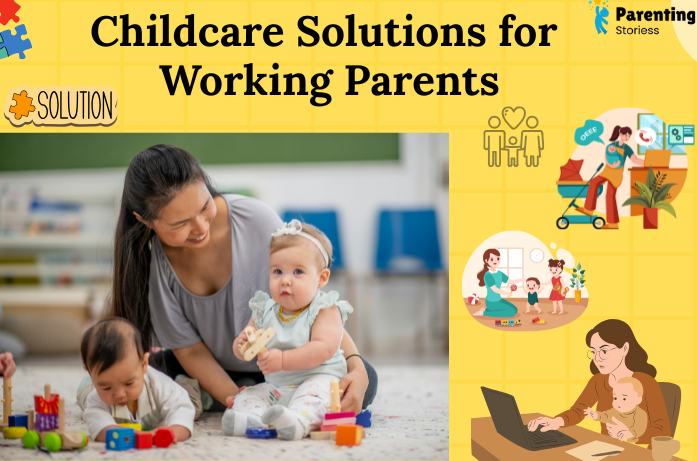
For today’s working parents, the challenge of balancing career and family life is both real and deeply personal. Mornings often begin with a rush, packing bags, preparing breakfast, checking emails, and in the middle of it all, one constant question lingers: Who will care for my child while I’m at work?
Childcare is not just a logistical necessity; it is the cornerstone of a child’s healthy development and a parent’s peace of mind. It influences how a child learns, grows, and interacts with the world. For parents, knowing their child is safe, nurtured, and happy allows them to focus on their careers without the constant weight of worry.
Why Choosing the Right Childcare Matters
The early years of a child’s life are crucial. Research consistently shows that brain growth, emotional stability, and social skills all take shape during these formative years. According to the Centers for Disease Control and Prevention (CDC) Early Childhood Development guidelines, the first five years lay the foundation for learning, behavior, and health.
Consistent and high,quality childcare, whether through daycare centers, family childcare homes, or in-home nannies, plays a vital role in a child’s early years. Responsive caregiving, where a child’s needs, signals, and emotions are noticed and addressed with warmth, does much more than simply comfort them. It builds the foundation for child development milestones, emotional regulation, and even early brain growth.
For parents, this means that selecting the right childcare is more than just convenience, it’s about ensuring their child’s future. A strong childcare choice gives children the security they need while allowing parents to perform at work without feeling torn between two worlds.
The Changing Landscape of Childcare
Over the years, childcare options have grown and diversified, giving families the chance to choose what aligns best with their needs, financial situation, and lifestyle. While some parents prioritize structured learning, others look for personalized attention. Some may seek affordability above all, while others emphasize trust and familiarity.
Let’s explore the most common childcare solutions and what they mean for working parents.
1. Daycare Centers: Structure and Socialization
Daycare centers remain one of the most popular solutions for families. They provide a structured environment where children follow routines, interact with peers, and engage in developmental activities led by trained staff. Many are also accredited by the National Association for the Education of Young Children (NAEYC), which sets high standards for early learning.
However, daycare centers aren’t without challenges. High-quality programs can be expensive, and availability is often limited with long waiting lists. They may also lack flexibility for parents who work irregular hours. Still, for families who can access them, daycare centers provide consistency and valuable opportunities for children to grow socially and academically.
2. In-Home Nannies: Personalized Care at Home
For families who prefer one-on-one care, hiring a nanny or babysitter is often the preferred choice. This allows children to remain in their familiar home environment while receiving dedicated attention. Parents also benefit from convenience, as there’s no need to commute for drop-offs or pickups.
The downsides include higher costs and the need to build trust with a single caregiver. Families must carefully vet nannies, run background checks, and establish clear expectations. The American Academy of Pediatrics (AAP) notes that having a consistent caregiver helps babies and toddlers develop strong emotional bonds, which is especially important during the early years.
3. Family Childcare Homes: A Homelike Balance
Somewhere between large daycare centers and in-home nannies are family childcare homes. Typically run out of a caregiver’s house, these settings offer a more homelike atmosphere with fewer children. They often cost less than daycare centers and still provide opportunities for group interaction, making them appealing to many families.
That said, quality can vary significantly depending on the provider. Parents should always check state licensing requirements and seek references to ensure the environment meets childcare safety standards.
4 Relatives and Grandparents: Trust and Familiarity
For many families, the most natural childcare solution is turning to grandparents, relatives, or close friends. Children benefit from being surrounded by familiar and loving faces, and parents gain peace of mind knowing their child is with someone they deeply trust.
However, this arrangement can sometimes blur boundaries. Differences in parenting styles or disagreements about routines may cause tension. Open communication and clear guidelines can make this arrangement work smoothly.
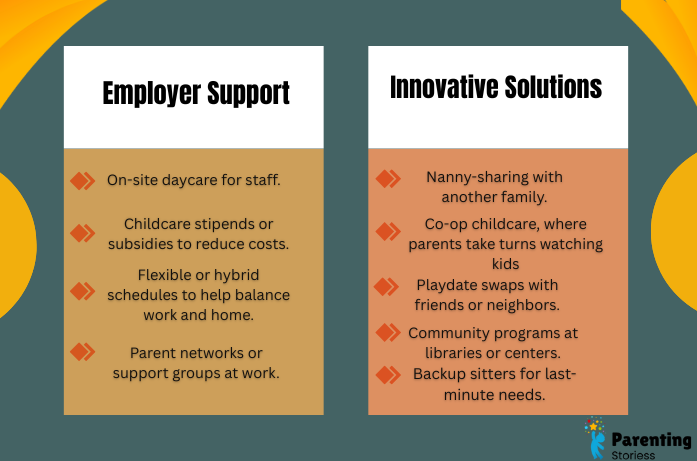
5. Employer Support and Innovative Solutions
Employer Support
- On-site daycare for staff.
- Childcare stipends or subsidies to reduce costs.
- Flexible or hybrid schedules to help balance work and home.
- Parent networks or support groups at work.
Innovative Solutions
- Nanny-sharing with another family.
- Co-op childcare, where parents take turns watching kids.
- Playdate swaps with friends or neighbors.
- Community programs at libraries or centers.
- Backup sitters for last-minute needs.
6. The Rise of Remote and Flexible Work
Remote work and hybrid work models have transformed how parents manage childcare. Working from home offers flexibility, reduces commuting time, and allows parents to spend more time with their children.
Still, this setup comes with challenges. Toddlers don’t understand meetings, and productivity can be impacted when children need attention. Parents may also worry that their child is missing out on the social interactions that group childcare provides. Many families find success by combining flexible schedules with part-time childcare to cover the gaps.
The Financial Reality of Childcare
No discussion about childcare is complete without addressing costs. For many families, childcare is one of the largest household expenses. The HHS affordability guideline states that childcare is considered affordable if it costs less than 7% of household income. In reality, however, most families spend far more than this.
In many OECD countries, governments provide greater childcare subsidies and parental leave policies, making care more affordable. While the U.S. relies more heavily on private arrangements, resources such as Child Care Aware of America help parents navigate local options and financial support.
Preparation Makes the Difference
One thing experienced parents often emphasize is the importance of early preparation. Starting the childcare search before your baby arrives may feel premature, but it helps reduce stress later. Visiting facilities, speaking with providers, checking references, and trusting your instincts all go a long way.
It’s equally important to have a backup childcare plan. Caregivers may get sick, centers may close temporarily, or arrangements may not work out. Knowing you have alternatives prevents panic in stressful situations.
Making the Right Choice for Your Family
Choosing childcare is one of the most personal and impactful decisions a parent can make. There is no single right answer, only the answer that fits your child’s needs and your family’s situation.
Infants may benefit most from personalized, one-on-one care, while toddlers often thrive in group settings where they can play and learn alongside peers. Some parents prioritize affordability, while others look for an environment rich in educational activities like those offered by Montessori schools or NAEYC-accredited programs.
Whatever option you choose, the goal remains the same: finding a space where your child feels safe, loved, and supported.
FAQs
1. When should I start searching for childcare?
Begin a few months before you need it, good programs often have waiting lists.
2. What makes a childcare provider good?
Look for safety, warmth, small groups, and clear routines.
3. How can I tell if my child is settling in well?
They seem happy, curious, and calmer at drop-off after the first few days.
4. Can I mix childcare options?
Yes, many parents combine daycare, nannies, or relatives for flexibility.
5. How do I handle last-minute gaps?
Keep a backup plan, trusted friends, family, or drop-in care.
Final Thoughts
Childcare solutions for working parents are as diverse as families themselves. From daycare centers to nannies, relatives, or employer-provided childcare benefits, every path has its pros and cons. What matters most is finding balance, the balance between career responsibilities and the joy of raising a child.
At Parenting Stories, we believe that choosing childcare is not simply about practicality. It’s about giving your child a nurturing foundation and giving yourself the confidence to succeed at work without guilt or fear. The journey may involve research, adjustments, and patience, but in the end, the reward is a thriving child and a balanced family life.
Explore more expert advice, inspiring articles, and practical tools at ParentingStories.com , designed to help you raise happy, confident kids while keeping your own balance as a working parent.
Disclaimer
This article is for informational purposes only. Childcare decisions should be based on individual family needs, local resources, and professional advice when necessary. Always verify licensing, check childcare safety standards, and consult trusted professionals, such as pediatricians, licensed childcare providers, or financial advisors, before making your choice.