Healthy families aren’t created by one big change; they grow through small, everyday habits. The way mornings begin, sharing meals together, listening to each other, and ending the day calmly, these simple routines quietly shape a child’s physical health, emotional balance, and lifelong habits.
Children learn most from what they see at home. When a mother follows a balanced routine, eating on time, staying active, and keeping a peaceful atmosphere, children naturally begin to follow the same path.
The good news is that building a healthy lifestyle doesn’t require big or difficult changes. Small, consistent steps can gently create a happy, balanced, and healthy family environment.
In this, we will learn how simple and practical daily healthy habits can help you create a healthy and balanced lifestyle for both you and your child.
Why Daily Healthy Habits Matter
Children learn more from what they see than what they’re told. They notice:
- How you eat
- How you handle stress
- How you move your body
- How you sleep
- How you talk to yourself
When healthy choices become a regular part of daily life at home, children naturally adopt them too.
Strong daily healthy habits help improve:
- Immunity and overall health
- Energy and vitality
- Emotional balance and calmness
- Focus, learning, and growth
- Closer family connections
And the best part? You don’t need to be perfect, just consistent. Small, steady habits add up over time, shaping a healthier, happier life for both you and your children.
1. Start the Day with a Calm Morning Routine
Rushed mornings can create stress for both moms and children. A few simple adjustments can make mornings smoother and set a positive tone for the whole day:
- Wake up 15 minutes earlier than usual
- Avoid screens first thing in the morning
- Drink a glass of water right after waking
- Sit together for breakfast
A calm morning helps everyone start the day with a sense of peace and balance. For moms, even just five quiet minutes before the household wakes up can make a noticeable difference in patience, mood, and overall energy. The American Psychological Association (APA) emphasizes how morning routines can positively affect emotional well-being.
2. Eat Balanced Meals Together
Healthy eating habits begin at home, and shared meals are a simple yet powerful way to nurture them. Try to include:
- Fresh fruits and vegetables every day
- Whole grains
- Protein-rich foods
- Healthy fats
- Plenty of water
When children see their mom choosing nutritious foods, they are more likely to try and enjoy them too.
A helpful tip: instead of calling foods good or bad, talk about everyday foods and sometimes foods.
Sharing meals also strengthens emotional bonds within the family, creating moments of connection, conversation, and care.
3. Move Your Body Daily
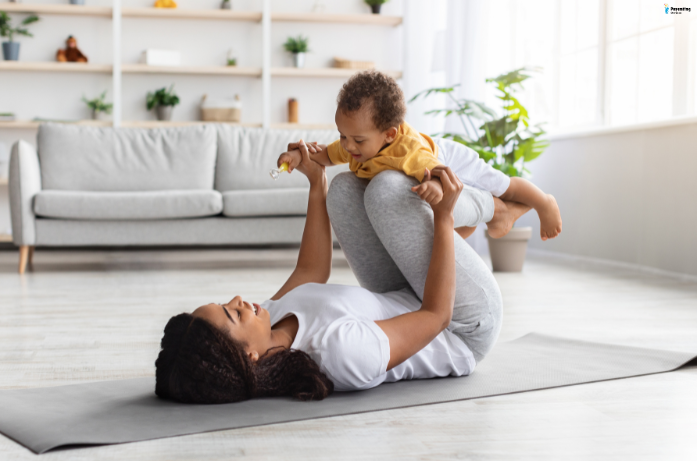
Staying active doesn’t require a gym membership, simple, everyday movement can make a big difference for both moms and children. Some easy ways to get moving together include:
- Evening walks
- Dancing at home
- Playing outdoor games
- Morning stretching
- Yoga for moms and kids
Regular physical activity supports mood, better sleep, focus, and heart health. And perhaps the most important part: when moms stay active, children learn to see movement as a natural part of life, not as a chore.
4. Prioritize Mental and Emotional Health
Daily healthy habits aren’t just about the body, they also include caring for the mind and emotions. Children learn emotional awareness by watching and experiencing it at home. You can support them by:
- Talking openly about feelings
- Acknowledging and validating their emotions
- Modeling calm breathing and self-regulation
- Avoiding shouting whenever possible
For moms, it’s equally important to take care of your own emotional well-being:
- Practice deep, calming breaths
- Take short breaks when needed
- Ask for help without hesitation
- Speak openly about stress
Children feel safest and most secure when their caregiver is emotionally balanced. Prioritizing mental and emotional health creates a calm, supportive environment that benefits the whole family.
5. Maintain Good Sleep Hygiene
Sleep is often overlooked, but it’s essential for both moms and children. Healthy sleep habits can make a big difference in mood, behavior, and overall well-being. Some simple ways to support better sleep include:
- Following a consistent bedtime routine
- Limiting screen time before bed
- Creating a calm and peaceful sleeping environment
- Reading together at night
Both moms and children need enough rest to function at their best. A well-rested mom has more patience and energy, and a well-rested child is calmer, happier, and more cooperative. Prioritizing sleep helps the whole family feel balanced and energized.
The National Sleep Foundation offers tips for improving sleep hygiene for both children and adults.
6. Encourage Personal Hygiene Habits
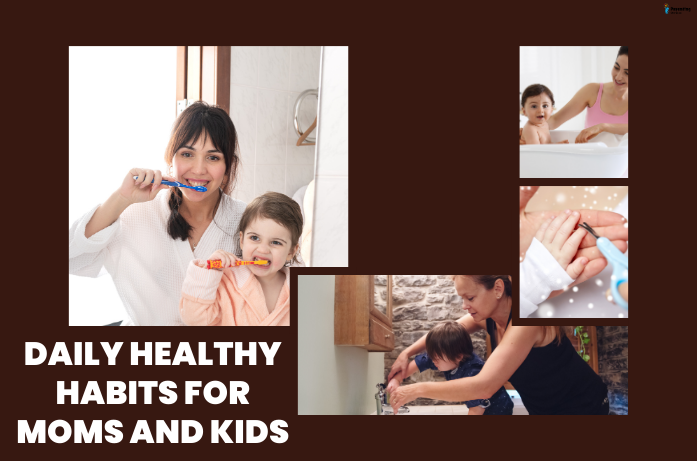
Daily hygiene routines are more than just habits, they teach children responsibility, self-care, and independence. Making these routines fun and engaging can help children enjoy them. Some simple ideas include:
- Brushing teeth together
- Washing hands before meals
- Following consistent bath-time routines
- Keeping nails clean and trimmed
Children learn by observing. When moms model good hygiene habits, children naturally adopt them too. Turning hygiene into a positive, shared experience helps build lifelong healthy habits.
7. Reduce Screen Time
Too much screen time can affect children’s sleep, focus, and behavior. Setting healthy limits helps create balance without making screens feel like a punishment. The American Academy of Pediatrics (AAP)has clear guidelines on screen time for children and how to set healthy limits. Some simple ways to manage screen use include:
- No screens during meals
- Keep devices away at bedtime
- Encourage daily outdoor play
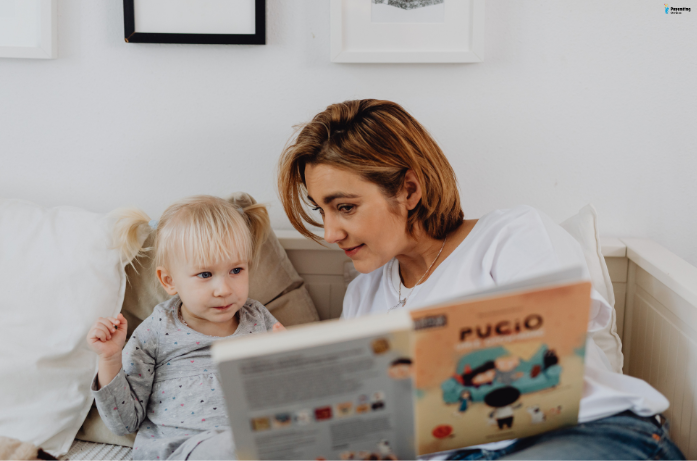
- Include family reading or storytelling time
The goal is balance. Screens themselves aren’t the enemy, it’s the overuse that can cause problems. By setting gentle boundaries, children learn to enjoy screens in a healthy, mindful way while also spending quality time with family and engaging in other activities.
8. Practice Gratitude Daily
Healthy homes are built not just on routines, but on emotional strength, and gratitude plays a big role. Practicing gratitude together helps everyone notice the positive moments in life and strengthens emotional resilience. Simple ways to incorporate gratitude include:
- Saying one thing you’re thankful for each day
- Sharing the best part of the day during dinner
- Teaching children to appreciate small gestures and moments
Regularly practicing gratitude encourages positivity, strengthens family bonds, and helps children grow up with a kind, appreciative, and emotionally balanced mindset.
9. Stay Hydrated
It may seem simple, but drinking enough water is one of the most powerful habits for health and well-being. Encouraging children, and yourself, to stay hydrated helps improve energy, mood, and digestion. Some easy ways to make hydration a habit include:
- Drinking water regularly throughout the day
- Carrying a water bottle when on the go
- Limiting sugary drinks
By making hydration a natural part of your daily routine, you support both physical health and overall vitality for the whole family.
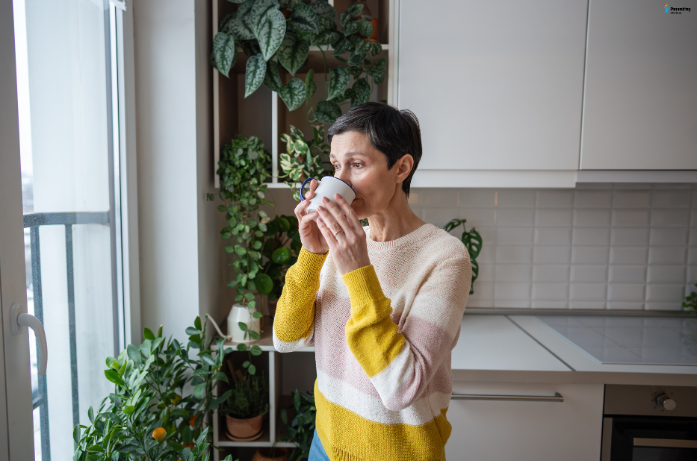
10. Model Self-Care for Moms
Moms often put everyone else first, but your health and well-being are just as important. Self-care doesn’t have to be expensive or time-consuming, small, consistent habits make a big difference. Some simple ways to practice self-care include:
- Taking a 10-minute walk
- Enjoying a quiet cup of tea
- Listening to music
- Practicing a short meditation
- Writing in a journal
When children see their mom taking care of herself, they learn the importance of self-respect, balance, and nurturing their own well-being. Modeling self-care sets a powerful example that lasts a lifetime.
Building Habits Without Pressure
You don’t have to change everything all at once. Healthy habits grow best when they’re introduced gradually and with ease. A few simple ways to start include:
- Add one new healthy habit each week
- Focus on progress, not perfection
- Celebrate even the small wins
Consistency is more important than intensity. Small, steady steps create lasting habits and help the whole family embrace a healthier, happier lifestyle without stress or pressure.
FAQs:
- What are the best daily habits for moms and kids?
Some of the best habits include starting the day with a calm morning routine, eating balanced meals together, staying active with simple exercises, prioritizing mental health, and maintaining good sleep hygiene. - How can I encourage my kids to eat healthy?
Modeling healthy eating habits, making meals together, and offering a variety of nutritious foods will encourage kids to develop healthy eating habits. Try to avoid labeling foods as good or bad and instead focus on everyday and sometimes foods. - Why is physical activity important for moms and children?
Physical activity improves mood, focus, and overall health. Regular exercise helps reduce stress and boosts energy, and when moms stay active, children are more likely to view movement as a natural part of daily life. - How can I help my children manage their emotions?
By modeling calm reactions and open discussions about feelings, you can help your child understand and manage their own emotions. Practicing self-regulation techniques like deep breathing together can also be beneficial. - How can I reduce screen time for my kids?
Set limits by having no screens during meals, keeping devices away at bedtime, and encouraging more outdoor play or family activities like reading or storytelling. Balance is key.
Final Thoughts
Daily healthy habits create long-term healthy families.
When moms prioritize physical, mental, and emotional well-being, children naturally grow stronger, happier, and more confident.
Remember:
You are your child’s first role model.
Your habits become their foundation.
At Parenting Stories, we believe small daily steps lead to big lifelong results. Healthy moms raise healthy kids, one simple habit at a time.
Disclaimer
This article is for informational purposes only. For personalized medical, nutritional, or mental health advice, please consult a qualified healthcare professional.