
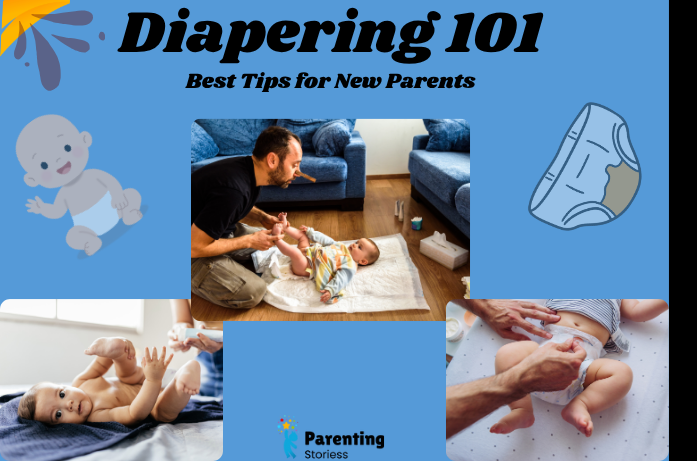
Welcoming a newborn into your life brings endless joy, and yes, countless diapers! In the first year alone, your baby may go through 2,500–3,000 diaper changes. That’s a lot of time spent at the changing table, and while it can feel overwhelming in the beginning, diapering quickly becomes second nature once you build a routine.
The truth is, diapering isn’t just about keeping your baby clean and dry. It’s about protecting their delicate skin, practicing baby hygiene, preventing diaper rash, and even creating moments of bonding. Every change is also a chance to observe your baby’s health, from the color of their stool to hydration levels, little clues that tell you more about their overall well-being.
For new parents, diapering can feel like the first big caregiving challenge. But with the right preparation, tools, and diapering tips for new parents, it becomes less of a chore and more of a newborn diapering routine you’ll cherish. These quiet moments, smiling, singing, or simply making eye contact while you change your baby, help them feel secure and loved.
This complete diapering guide for new parents walks you through everything you need to know: from setting up a safe changing table, to diaper rash prevention, to choosing between cloth diapers vs disposable diapers. Whether you’re a first-time parent or an experienced caregiver, these diapering tips will make every change smoother, cleaner, and less stressful.
Why Diapering Matters
Diapering may look like a routine task, but it plays an important role in your baby’s health, comfort, and hygiene. Keeping your little one clean and dry reduces the risk of urinary tract infections, skin irritation, and diaper rash, while protecting their skin barrier during the early months.
A snug, fresh diaper keeps your baby more comfortable, which often means fewer tears, better sleep, and more energy for tummy time. But diapering isn’t only about hygiene, it’s also about bonding during diaper changes. Everyday moments are opportunities for connection. Gentle talking, humming a tune, or making eye contact reassures your baby they are safe in your hands.
Diaper-free time is another overlooked benefit. Allowing your little one to kick, stretch, and wriggle without a diaper supports circulation, strengthens muscles, and aids motor skill development.
In short, diapering is more than a practical task, it’s a combination of care, protection, and bonding that sets the foundation for your baby’s health and happiness. For more guidance, the American Academy of Pediatrics (AAP) offers trusted advice on baby hygiene, diapering safety, and skin care.
Step-by-Step Diapering Guide: Essential Tips for New Parents
Changing diapers is one of those daily routines every new parent quickly becomes familiar with. While it may feel overwhelming at first, with the right approach and setup, diapering can become smooth, safe, and even a bonding moment with your baby. Here’s a detailed, step-by-step diapering guide packed with practical tips that will make the process easier and more comfortable for both you and your little one.
1. Gather Supplies
Before you start, make sure everything you’ll need is within arm’s reach. A clean diaper, baby wipes (or cotton pads with warm water for sensitive skin), diaper cream, and a changing pad are essentials. Having everything ready prevents frantic searches while your baby wiggles on the table.
Parent Tip: Keep a diaper caddy stocked near the crib, in the living room, or even in the car. This saves countless trips and makes on-the-go changes less stressful. Some parents even keep a “mini kit” with a diaper, wipes, and cream in every room.
2. Ensure a Safe Changing Space
Safety comes first. Never leave your baby unattended on a changing table, even for a second. Babies can roll unexpectedly, and falls happen quickly. Keep one hand on your baby while reaching for supplies, or better yet, keep everything close at hand from the start.
Parent Tip: Many parents prefer diapering on the floor using a portable changing mat. It’s safer for squirmy infants and removes the risk of falling. If you’re using a changing table, look for one with guardrails and always use the safety strap.
3. Clean Thoroughly but Gently
Cleaning your baby properly during each diaper change helps prevent rashes and infections. Always wipe from front to back, especially for baby girls, to avoid spreading bacteria. Use fragrance-free wipes or warm water with soft cotton pads for newborns with extra-sensitive skin.
After cleaning, pat your baby’s skin dry gently instead of rubbing, as newborn skin is delicate. Moisture trapped under the diaper is one of the main causes of rashes, so taking a few extra seconds to dry completely makes a big difference.
4. Prevent Diaper Rash
Diaper rash is one of the most common concerns parents face, but with a few preventive measures, it can often be avoided. Let your baby’s skin air-dry completely before putting on a fresh diaper. If you notice redness or irritation, apply a thin layer of zinc oxide-based diaper cream.
Parent Tip: Give your baby diaper-free time every day to let the skin breathe. Lay a waterproof mat or towel under your baby for stress-free play and let them enjoy a little freedom from diapers.
5. Diapering Tips for New Parents: Choosing the Right Diaper Size
A good fit is key to keeping your baby comfortable and preventing leaks. If you notice frequent blowouts, leaks, or red marks around the waist or thighs, it may be time to go up a size. On the other hand, diapers that are too large may not provide enough protection.
Manufacturers provide weight guidelines on packaging, but every baby’s shape is unique, so trust your observations too.
6. Master the Diaper Fit
Once you’ve chosen the right size, make sure the diaper is fitted correctly. Fasten the tabs evenly on both sides so the diaper sits snug but not tight. Gently pull the leg cuffs out to create a barrier that prevents leaks. A well-fitted diaper should stay in place without leaving deep marks on your baby’s skin.
7. Nighttime Diapering Hacks
Nighttime diapering can feel tricky because you want your baby to sleep as long as possible without interruptions. To reduce nighttime changes, use diapers designed for overnight use, which offer extra absorbency. Apply a protective barrier cream before bedtime to protect skin from long hours of moisture.
Unless your baby has a very wet diaper or a bowel movement, it’s often best to avoid middle-of-the-night changes that could wake them fully. Prioritize sleep for both you and your baby whenever possible.
8. Dispose of Diapers Properly
After changing, dispose of used diapers in a hygienic way. A diaper pail with odor control is convenient, but sealing dirty diapers in small plastic bags before throwing them in the trash also works. Always wash your hands thoroughly after every diaper change to prevent spreading germs.
Parent Tip: Keep hand sanitizer nearby for quick cleanups, especially during travel or when soap and water aren’t available.
Types of Diapers: What’s Best for Your Baby?
Disposable Diapers
There are many disposable diaper brands available in the market, offering a wide variety of sizes, fits, and features to suit different age groups and needs. They are convenient, highly absorbent, and easy to use while traveling or when you are away from home. Modern disposable diapers often come with features like wetness indicators, stretchable sides for better fit, and leak guards to provide longer protection. They are especially helpful for nighttime use, as they can keep the baby dry for several hours.
However, the downside is that disposable diapers are less eco-friendly since they generate a large amount of non-biodegradable waste, which takes years to decompose. Over time, the recurring cost of buying them can also be higher compared to reusable cloth diapers. In addition, some babies may experience skin sensitivity or rashes from certain brands, making it important for parents to try and choose what works best for their baby’s skin.
Cloth Diapers
Nowadays, cloth diapers come in a variety of modern designs such as pocket, hybrid, or all-in-one styles, which are far easier and more practical than the old-fashioned prefold diapers. They are reusable, gentle on sensitive skin, and eco-friendly, making them a sustainable choice for families who want to reduce waste. Cloth diapers can also save money in the long run, since a one-time investment can last through months or even years with proper care.
Modern cloth diapers often feature adjustable snaps or Velcro closures for a better fit, and many come with removable inserts that increase absorbency for overnight use. With breathable fabrics, they allow airflow and reduce the chances of diaper rash. They are also available in fun colors and patterns, which some parents enjoy as a bonus.
On the other hand, cloth diapers do require regular washing and drying, which can be time-consuming, and families need to build a routine around laundry. Some parents prefer using a diaper liner inside cloth diapers, which makes cleanup easier and helps prevent staining.
Many parents choose a hybrid approach: using cloth diapers at home for cost savings and eco-friendliness, and disposables when outside for convenience. This balance often works well for both parents and babies.
Parent Tip: Families who build a small collection of cloth diapers and combine them with disposables often find it easier to manage both convenience and sustainability.
Common Diapering Challenges & Solutions
• Blowouts: Adjust diaper size or fit; consider diaper boosters.
• Night leaks: Try overnight diapers or inserts.
• Strong odors: Use odor-control diaper pails.
• Wriggly babies: Distract with toys, singing, or gentle touch.
• Persistent rash: Switch to fragrance-free products, allow diaper-free time, and consult a pediatrician.
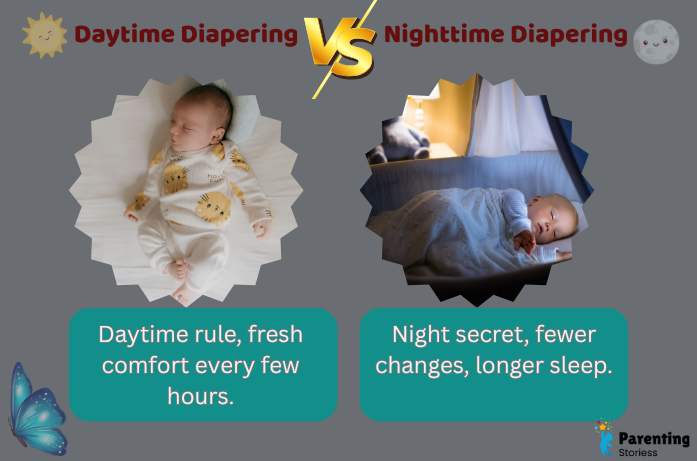
Daytime vs. Nighttime Diapering
Daytime Diapering
- Frequency: Change every 2–3 hours, or sooner if the diaper is soiled.
- Newborn Needs: Expect 8–12 changes daily, since their feedings are frequent and their digestive systems are still adjusting.
- Focus: Comfort and hygiene. Regular changes help prevent rashes and keep the baby fresh during active hours.
- Tip: Use breathable, lighter diapers in the day since changes are more frequent. Keep wipes, rash cream, and a spare outfit handy.
Nighttime Diapering
- Frequency: Prioritize sleep for both baby and parents, diaper changes are less frequent unless the baby is very wet or has pooped.
- Tools: Overnight diapers or double-layer inserts are great to minimize leaks and keep the baby dry longer.
- Environment: Keep lights dim, voices soft, and movements calm to avoid fully waking the baby.
- Organization: Store essentials in a diaper caddy near the crib for quick, quiet changes.
- Tip: Apply a thick layer of barrier cream before bedtime to protect against overnight moisture.
Key Difference
- Daytime: Frequent changes → focus on hygiene and activity.
- Nighttime: Fewer changes → focus on sleep and leak prevention.
Both approaches balance the baby’s comfort with the family’s rest and routine.
Hygiene & Safety Must-Knows
Maintaining proper baby hygiene is essential during every diaper change. Before and after each change, parents should wash their hands with soap and water for at least 20 seconds. If soap and water are unavailable, a hand sanitizer containing at least 60% alcohol can be used safely. To ensure diaper changing safety, the diapering surface must always be cleaned and sanitized thoroughly to prevent the spread of germs.
Talcum powder should be avoided, as it can be harmful if inhaled by babies. Instead, pediatrician-recommended creams or ointments are better options for baby rash prevention. The diaper changing area should be well-lit so parents can clean properly and avoid mistakes. Creams, ointments, and wipes should also be checked regularly for expiration dates to ensure they remain safe and effective.
For safe diapering practices, always store diapers and wipes in a clean, dry place, and dispose of used diapers in a sealed bag or covered bin to reduce odor and bacterial spread. While cleaning the baby, parents should wipe from front to back to minimize the risk of infections, especially for girls.
All supplies should be kept within easy reach before starting the diaper change, ensuring the baby is never left unattended. Following these baby skincare and infection prevention steps will help create a safe and healthy diapering routine.
Before and after every diaper change, hands should be washed with soap and water for at least 20 seconds.
Parent Hacks & Pro Tips
Keep a stocked diaper bag, carry disposable pads in public restrooms, and remember diaper changes are bonding moments. Smile, sing, or talk to your baby.
FAQs About Diapering
· How often should I change my baby’s diaper?
Newborns need 8–12 changes daily to prevent diaper rash and protect delicate skin.
· How many diapers will my baby use in the first year?
About 2,500–3,000. Choosing the right disposable or cloth diapers saves money and supports skin health.
· Is it okay to use baby wipes for newborns?
Yes, but choose fragrance-free, alcohol-free wipes. For very sensitive skin, warm water and cotton pads are gentler.
· When should I worry about diaper rash?
If rash lasts more than 2–3 days, spreads, or shows infection, consult your pediatrician.
· Should boys and girls be cleaned differently?
Yes. Girls: wipe front to back. Boys: cover with a cloth during changes.
· Do I need to use diaper cream every time?
Use cream when irritation appears. Zinc oxide-based creams work well for soothing skin.
· Can I mix cloth and disposable diapers?
Yes. Many parents use cloth at home and disposable while traveling.
· How do I make diapering easier while traveling?
Keep a diaper bag stocked with essentials, diapers, wipes, a portable changing pad, sanitizer, and spare clothes.
Final Thoughts
Diapering is one of the first parenting skills you’ll master. It protects your baby’s skin, prevents rashes, and gives you countless bonding opportunities.
Every baby is unique, stay flexible, keep essentials ready, and give yourself grace. Parenting is full of small victories, and mastering diapering is a big one.
Want more baby care tips? Explore Parenting Stories for guides on newborn sleep, feeding, soothing techniques, and diaper rash remedies.
Disclaimer:
This article is for informational purposes only and not a substitute for medical advice. Always follow your pediatrician’s guidance for diapering and baby hygiene.