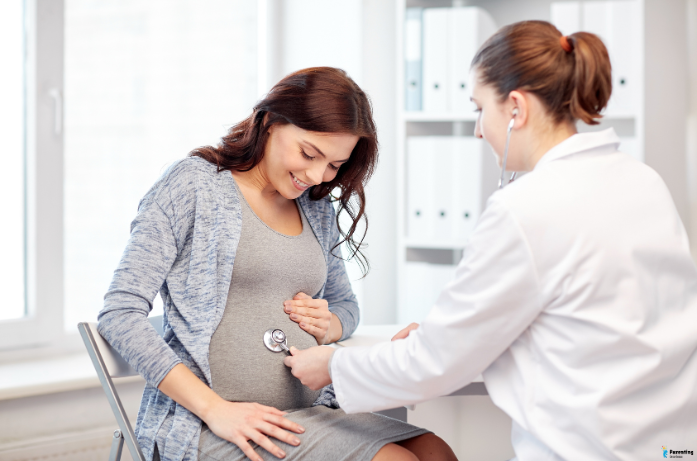
Pregnancy is a beautiful and life-changing journey, and understanding the early signs of pregnancy helps you recognize what your body is experiencing even before a missed period. From mild cramping and breast tenderness to nausea, fatigue, and heightened smell, your body begins giving subtle clues as soon as conception occurs. Knowing these early symptoms helps you feel more confident, prepared, and connected to the changes happening within you.
How Pregnancy Happens & What Causes the Early Signs of Pregnancy
Pregnancy often begins long before most women realize it. Behind the scenes, your hormones, ovulation timing, and the presence of healthy sperm all work together in a natural sequence, creating the perfect conditions for the start of new life.
- Ovulation:
Once a month, your ovary releases a mature egg. This usually happens around the middle of your cycle. During this time, your chances of conception increase because the egg survives for only 12–24 hours. - Fertilization:
If sperm reaches the egg, usually in the fallopian tube, they may combine. This fusion creates a zygote, the very first stage of life, marking the true beginning of pregnancy. - The Journey to the Uterus:
The fertilized egg slowly travels through the fallopian tube toward the uterus, dividing into multiple cells. This journey takes 3–5 days and prepares the embryo for successful implantation. - Implantation:
The tiny cluster of cells attaches to the uterine lining and begins developing. At this stage, your body releases hCG, progesterone, and estrogen, which support growth and trigger early pregnancy symptoms.
The American College of Obstetricians and Gynecologists (ACOG) explains that these hormones not only maintain the uterine lining but also play key roles in fetal development and early pregnancy health.
These hormones protect the growing embryo, and they’re the reason early symptoms begin.
Early Signs of Pregnancy Most Women Notice First
Every woman’s experience is different. Some feel early pregnancy symptoms within a few days, while others may not notice any changes for several weeks, both are completely normal. Factors like hormone levels, cycle length, stress, and overall health can influence how soon symptoms appear, making every pregnancy unique in its own way.
Here are the signs many women notice first:
1. Missed Period, The Biggest Clue
If your period is late and you’re sexually active, pregnancy is one of the first possibilities to consider. However, delayed periods can also occur due to stress, hormonal imbalance, lifestyle changes, or certain medications. Even so, a consistently late or missed period is one of the strongest early indicators of pregnancy, making a timely home pregnancy test a smart next step.
The Centers for Disease Control and Prevention (CDC) notes that a missed period is often the earliest recognizable sign of pregnancy and recommends confirming it with a reliable home test or doctor’s visit.
Tip:
Take a home pregnancy test after your missed period for the best accuracy.
2. Morning Sickness or Nausea
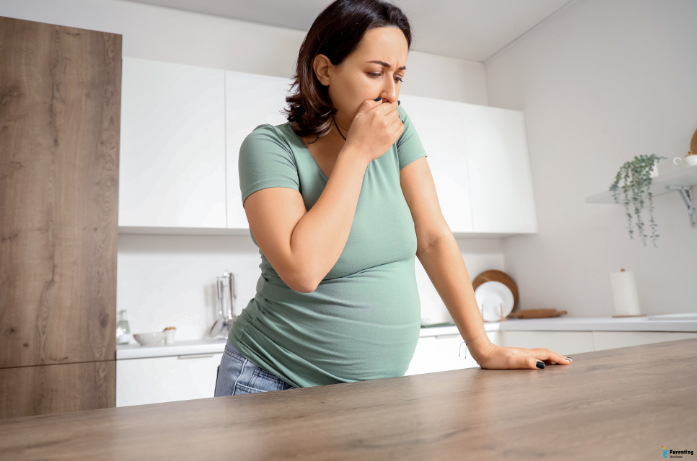
That sudden wave of nausea, especially in the morning, is one of the classic early signs of pregnancy. Rising hormones like hCG and progesterone can make your stomach more sensitive, triggering nausea even with mild smells or an empty stomach. Many women experience this queasiness at different times of the day, making it a reliable early pregnancy indicator.
Many women feel nauseous all day, not just in the morning.
3. Breast Tenderness & Fullness
Your breasts may feel sore, heavy, or unusually sensitive as early pregnancy begins. Rising levels of estrogen and progesterone increase blood flow to the breast tissue, causing swelling and tenderness. Many women describe this sensation as similar to PMS but slightly stronger. You may also notice darkening of the nipples or mild tingling, which are common early pregnancy changes.
· Soreness: Breasts may ache or feel tender even with a light touch, almost like the sensitivity you feel before periods but a bit stronger.
· Heaviness: They can feel fuller or slightly swollen, as if there’s extra weight or pressure in the breast tissue.
· Sensitivity: Even small movements, clothing friction, or temperature changes can make your breasts feel more sensitive than usual.
According to Mayo Clinic, early pregnancy symptoms such as fatigue, nausea, and tender breasts are triggered by hormonal changes that prepare the body for supporting new life.
This often feels like PMS symptoms but slightly stronger.
4. Feeling Extremely Tired
Growing a baby takes a lot of energy, even in the very first weeks. Your body is working overtime to form the placenta and support rapid cell development, which can leave you feeling unusually tired. In early pregnancy, many women experience constant sleepiness, weakness, or a lack of motivation. This sudden fatigue is one of the most common and reliable early signs of pregnancy.
Sleepy
Weak
Drained
Fatigue is one of the most common early symptoms.
5. Light Spotting or Cramping
You may notice very light spotting or mild cramping as early pregnancy begins. This often happens when the fertilized egg attaches to the uterine lining, a normal process called implantation bleeding. It is usually much lighter than a regular period and lasts only a day or two. For many women, these subtle signs are an early indication of pregnancy.
• Very light spotting
• Mild cramps
This is called implantation bleeding, and it’s normal for some women.
6. Frequent Urination
Need to pee more often? In early pregnancy, rising hormones increase blood flow to your kidneys, causing your body to filter more fluids, which means more frequent bathroom trips. Many women also notice nighttime urination becoming more common. This is a completely normal early pregnancy change and one of the first signs many women experience.

7. Food Cravings or Aversions
Suddenly loving sour foods… or suddenly hating your favorite dish? These shifts are very common in early pregnancy. Rising hormones can change your taste preferences, appetite, and sensitivity to smells. Even mild odors may feel overwhelming, while certain foods become surprisingly tempting. These cravings and aversions are often among the first signs that your body is adjusting to pregnancy.
Hormones can change:
- Appetite: In early pregnancy, your hunger patterns can change a lot. Some days you may feel extremely hungry, and on others, you might not feel like eating at all, all because of shifting hormones.
- Taste: Your taste can also feel a bit different. Foods that once tasted normal may suddenly feel too sweet, too bitter, or just unusual.
- Sense of Smell: Your sense of smell becomes much stronger. Even mild cooking smells, perfumes, or everyday odors can start to feel irritating at times.
These changes are completely normal and happen naturally in early pregnancy.
8. Mood Swings
Feeling emotional or irritable? Early pregnancy hormones can shift your mood quickly, similar to PMS but often more intense. Rising levels of estrogen and progesterone can make you feel unusually sensitive, overwhelmed, or easily frustrated. Some women experience sudden bursts of happiness, followed by sadness or anxiety. These mood swings are common and simply reflect the body adjusting to early pregnancy changes.
9. Bloating
Many women feel bloated in early pregnancy, similar to period bloating but lasting longer. This happens due to rising progesterone levels, which slow down digestion and cause gas buildup. Some women may also experience mild cramping or heaviness around the abdomen. Staying hydrated, eating fiber-rich foods, avoiding overly salty meals, and taking small frequent meals can help ease this early pregnancy symptom naturally.
10. Heightened Sense of Smell
Smells you didn’t notice before may suddenly feel very strong, like perfumes, certain foods, or smoke. This heightened sense of smell is triggered by rising pregnancy hormones, especially estrogen. For many women, strong odors can also cause nausea or morning sickness. Noticing these sudden smell sensitivities early on is a common sign of pregnancy and completely normal.
Less Common (But Normal) Early Signs of Pregnancy
Some women also experience additional early pregnancy symptoms that vary from person to person, depending on hormonal shifts and body sensitivity. These signs can appear suddenly or gradually and may come and go throughout the first trimester. Paying attention to these subtle changes can help you understand your body better and identify early pregnancy even before a missed period.
• Headaches
• Constipation
• Metallic taste
• Dizziness
• Back pain
• Extra saliva
All of these can happen, but not everyone gets them.

When Should You Take a Pregnancy Test When Noticing Early Signs?
For the most accurate result, test after your missed period or 10–14 days after ovulation. Using first-morning urine helps detect the highest hCG hormone levels. Avoid drinking excessive fluids before testing, as it can dilute urine and affect accuracy. Following the instructions on the pregnancy test kit carefully ensures reliable results and helps confirm early pregnancy with confidence.
The Office on Women’s Health advises using FDA-approved home pregnancy tests and following up with a healthcare provider for confirmation and prenatal guidance.
Using first-morning urine usually gives the best result.
When to Call a Doctor About Early Signs of Pregnancy
Sometimes your body gives signals that something isn’t quite right, and it’s important to listen to them. If you experience heavy bleeding, strong or persistent abdominal pain, sudden dizziness or fainting, a high fever, or a sharp pain on one side, don’t ignore it. These symptoms can be early signs of complications, and getting medical help at the right time can make a big difference. It’s always better to stay safe, trust your instincts, and reach out to your doctor whenever something feels unusual.
(FAQs)
1. What are the earliest signs of pregnancy?
Common early signs include a missed period, fatigue, breast tenderness, nausea, mild cramping or spotting, frequent urination, food cravings or aversions, mood swings, bloating, and heightened sense of smell. Every woman’s experience can vary.
2. How soon can I take a pregnancy test?
For the most accurate result, take a home pregnancy test after a missed period or 10–14 days after ovulation. Using first-morning urine usually gives the highest hCG levels.
3. Can I be pregnant without symptoms?
Yes. Some women may not experience noticeable early symptoms, while others notice multiple signs. Both experiences are normal.
4. What should I do if I have concerning symptoms?
Seek medical attention immediately for heavy bleeding, severe abdominal pain, dizziness, high fever, or sharp pain on one side. Early care ensures safety for you and your baby.
5. Are mild cramps and spotting normal in early pregnancy?
Yes. Light spotting or cramping, known as implantation bleeding, is common in early pregnancy. It is usually lighter than a normal period and lasts a day or two.
Final Thoughts on Early Signs of Pregnancy
Every woman’s pregnancy journey looks different. Some feel many symptoms, some feel none, both are perfectly normal. Listen to your body, trust your instincts, and reach out to your doctor whenever something doesn’t feel right.
Pregnancy is a beautiful journey of change and discovery. Be gentle with yourself, your body is doing something incredible.
Stay informed and empowered on your pregnancy journey! Explore more expert-backed pregnancy tips, early symptom guides, and gentle health advice at Parenting Stories.
Discover more guides and support for every stage of pregnancy.
Disclaimer
This article is for informational purposes only and does not replace professional medical advice.
Every pregnancy is unique, symptoms, timing, and experiences may differ. Always consult your doctor or a qualified healthcare professional regarding any concerns, unusual symptoms, or before starting new health routines.