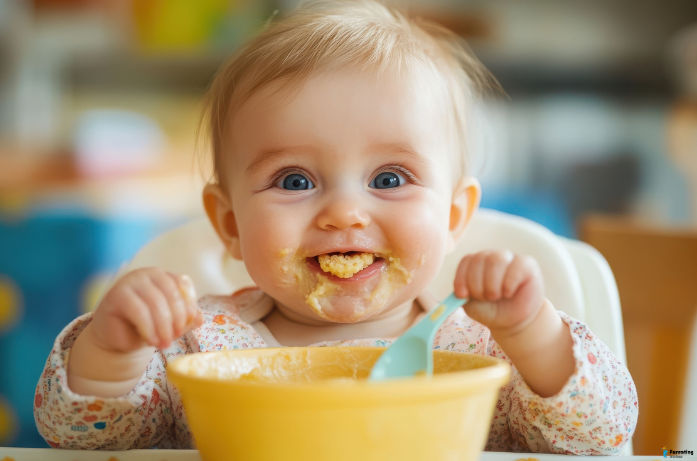
Starting solids is such a special moment, tiny spoons, cute messy faces, and the joy of watching your baby try something new for the very first time. But with that excitement comes the big question every parent asks:
What should I give first?
The good news is that you don’t need anything fancy. First food for babies does best with simple, natural, and easy-to-digest foods that provide essential nutrients for healthy growth and development. At around 6 months, you can start introducing single-ingredient first solid foods for babies, purees like mashed fruits, soft-cooked vegetables, or iron-fortified cereals. These foods are gentle on tiny tummies and help your baby get used to different tastes and textures.
It’s also important to introduce new foods gradually, waiting a few days before adding another, so you can monitor any reactions. Avoid added sugar, salt, or processed foods in the early months. Starting with wholesome first foods not only supports your baby’s nutrition but also encourages healthy eating habits for a lifetime.
Here are the top 7 first foods you can trust to give your little one a healthy and gentle start.
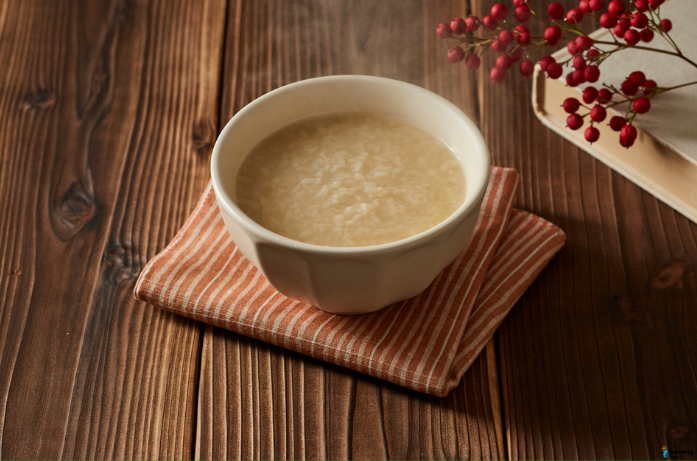
1. Rice Cereal or Rice Porridge as First Foods for Babies
A trusted beginner baby food, rice is soft, mild, and one of the easiest foods for tiny tummies. It is a good source of energy and digests quickly, making it ideal for babies starting solids. Begin with a thin consistency using water or breast milk, so your baby can easily taste and swallow. Rice cereal or porridge is a safe, nutritious, and classic first food for your little one.
Why it’s a great first food:
Very smooth
Easy to digest
Rarely causes allergies
Begin with a thin consistency and slowly make it thicker as your baby gets comfortable.
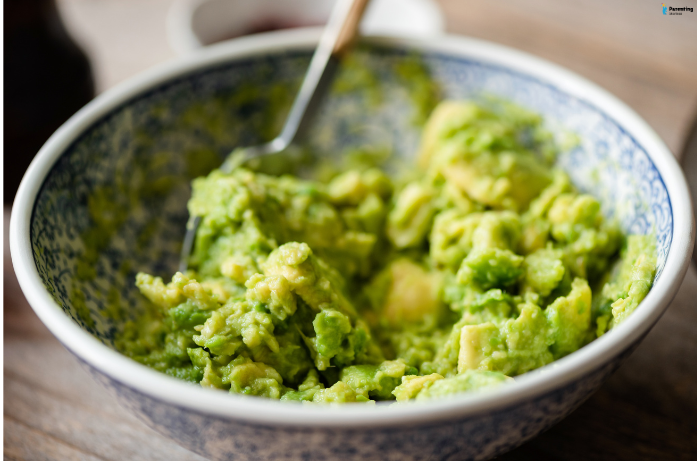
2. Mashed Avocado as a First Food for Babies
Avocado is packed with healthy fats, particularly monounsaturated fats, which are essential for your baby’s brain development and overall growth. It is also rich in vitamins like vitamin E, C, and folate, which support immunity and cell development. Naturally creamy and easy to mash, avocado is a perfect first food that requires no cooking, making it convenient and nutritious for your little one.
Why parents love it:
No cooking needed
Naturally creamy
Good for healthy weight gain
Just scoop, mash, and it’s ready! A great option in any baby weaning food plan.
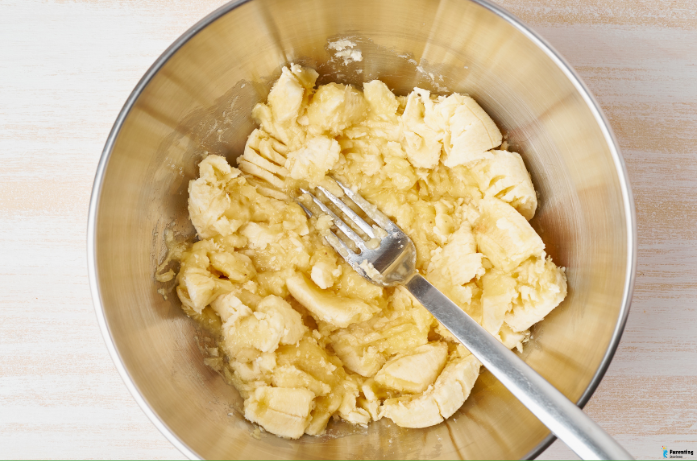
3. Mashed Banana as a Gentle First Food for Babies
Bananas are gentle on the stomach, making them one of the easiest fruits for babies to digest. They are naturally sweet and packed with first-fruit for babies with essential nutrients like potassium, vitamin B6, and fiber, which support healthy digestion, energy, and overall growth. Mash them well for a smooth texture, or mix with a little breast milk or formula to make it even easier for your baby to enjoy.
Why it works so well:
Naturally sweet
Full of quick energy
Very easy to digest
Mash it well and mix with a little milk if needed to reach the right texture.
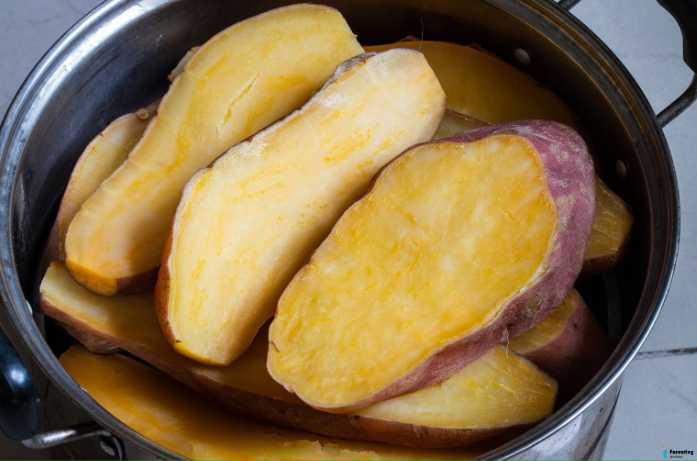
4. Steamed Sweet Potato as a Nutritious First Food for Babies
Sweet potatoes cook into a naturally sweet, smooth, and creamy puree that babies love. They are rich in vitamins like Vitamin A and C, as well as fiber, which supports healthy vision, immunity, and digestion. Steamed and mashed, sweet potatoes are gentle on tiny tummies and keep babies full for longer. You can adjust the texture with a little warm water to make it perfect for the first feeding.
Benefits:
High in Vitamin A
Keeps babies full
Helps in smooth digestion
Steam, mash, and adjust the consistency with a little warm water, ideal for early baby-led feeding or purees.
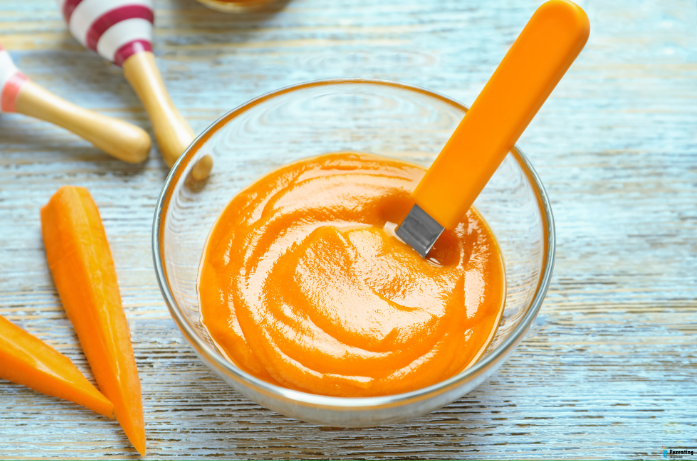
5. Carrot Puree as a Mild First Food for Babies
Cooked carrots become naturally sweet, soft, and easy to mash, making them ideal for tiny taste buds. They are rich in beta-carotene, which supports healthy vision, immunity, and overall growth. Gentle on the stomach and easily digestible, carrot puree can be served alone or mixed with other vegetables as your baby gets accustomed to new flavors. Start with a thin consistency and gradually thicken it.
According to the American Academy of Pediatrics (AAP), babies should start solids around 6 months with soft, single-ingredient foods introduced one at a time.
Why choose it:
Rich in beta carotene
Gentle on the tummy
Easy to pair with other veggies later
Start thin, then slowly make it thicker as your baby gets used to it.
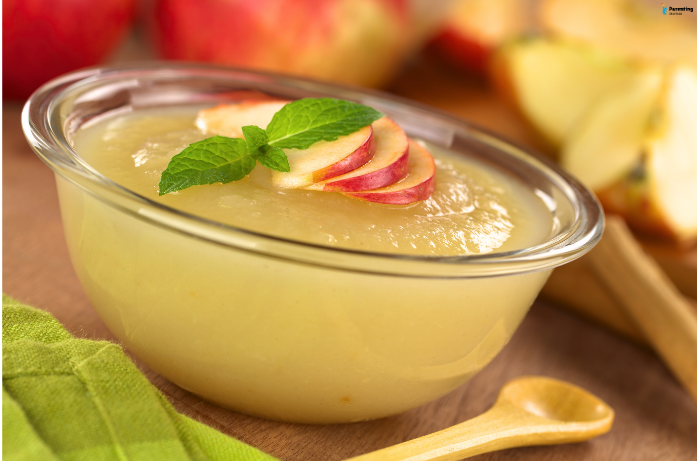
6. Apple Puree as a Classic First Food for Babies
Steamed and blended apples create a naturally sweet, smooth, and light puree that babies love. Apples are rich in fiber, vitamin C, and antioxidants, which support healthy digestion, immunity, and overall growth. Gentle on tiny tummies, apple puree can be served alone or mixed with other fruits and vegetables as your baby explores new flavors. Simply steam, blend, cool, and serve for a nutritious first food.
Why parents trust it:
Very smooth
Helps with digestion
Naturally sweet
Just steam, blend, cool, and serve.
Green bean puree is another gentle and nutritious first food for babies. It is rich in fiber and iron, easy to digest, and works well for babies starting solids around 6 months. If you’re looking for a simple homemade option, you can also check out our Green Bean Puree for Babies – Easy Step-by-Step Recipe, which explains how to prepare it safely for early feeding.
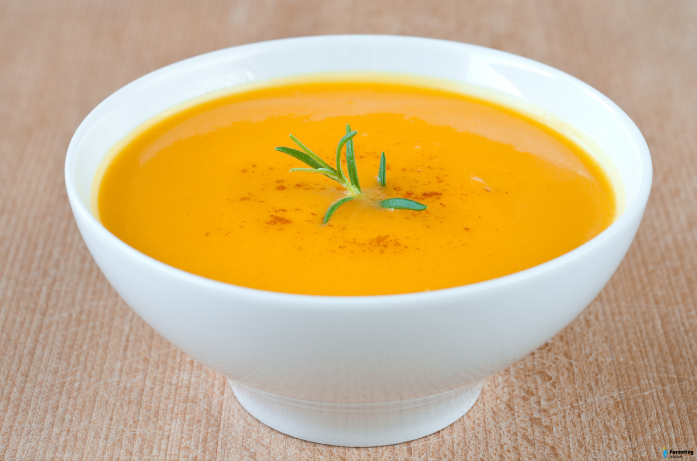
7. Lentil Puree as an Iron-Rich First Food for Babies
Lentils are a popular and pediatrician-approved first food in the USA. When cooked well and blended smoothly, lentils are easy to digest and rich in iron, protein, and fiber, nutrients that are especially important when babies start solids around 6 months.
This mild lentil puree helps support healthy growth and keeps your baby feeling satisfied, without being heavy on the tummy.
Why parents trust it:
- High in iron and plant-based protein
- Easy to digest when fully cooked
- Supports healthy growth and energy
- Commonly recommended by pediatric feeding guides
How to serve:
Cook red or yellow lentils until very soft, blend with water or breast milk to a smooth, thin puree. Start with a runny consistency and gradually thicken as your baby gets comfortable.
Tips for Introducing First Foods for Babies Safely
• Introduce one new food at a time
• Begin with solids once a day
• Start only when your baby shows readiness (interest in food, good head control)
• Avoid salt, sugar, honey, and cow’s milk in the first year
• Follow your baby’s pace, not any strict timeline
The CDC recommends introducing one new food at a time, avoiding added sugar/salt, and beginning solids around 6 months when the baby shows readiness.
As your baby becomes more comfortable with solids, gradually offering a wider variety of nutritious foods helps build healthy eating habits. For safer and parent-approved ideas, explore our Top Healthy Baby Food Recipes for Babies (6–12 Months), featuring easy, wholesome options perfect for different stages of weaning.
FAQs About First Foods for Babies
1. When can I start solids for my baby?
Most babies are ready around 6 months, depending on head control and interest in food.
2. How much should a baby eat in the beginning?
Just 1–2 teaspoons once a day is enough. Follow your baby’s cues.
3. Should I give water with solids?
Only after 6 months, and just a few sips.
4. How long should I wait before offering a new food?
Wait 2–3 days to watch for any reactions.
5. Can I add salt or sugar?
No. Avoid salt, sugar, honey, and cow’s milk in the first year.
6. Are purees the only option?
No, you can also start with soft mashed food or baby-led weaning after discussing with your doctor.
7. What if my baby refuses a new food?
Totally normal! Try again in a few days; babies often need several tries to accept a new taste.
Final Thoughts on First Foods for Babies
Your baby doesn’t need a long menu on day one, just gentle, nourishing foods that help them explore new tastes at their own rhythm. These seven foods are safe, trusted, and loved by parents everywhere.
So take your time, enjoy the cute reactions, the mess, and the memories. This stage passes quickly, but the joy of watching your baby grow stays forever.
Want more gentle, trustworthy baby-feeding guidance?
Explore our Baby Nutrition & Solids section on Parenting stories for simple tips, easy recipes, and parent-approved first foods to help your little one grow with love and confidence.
We’re here to make each milestone easier, calmer, and joy-filled for you and your baby.
Disclaimer
This article is for general parenting guidance only. Every baby is different, and feeding needs can vary. Always start solids after your pediatrician confirms your baby is ready. If your baby has allergies, digestive concerns, or any medical conditions, follow your doctor’s advice for safe feeding and food introduction.