The Joy of Homemade Baby Food
When your baby is ready for solids, it’s more than a new menu, it’s a colorful journey filled with exciting textures, tastes, and happy little messes. Making baby food at home isn’t just budget-friendly; it gives you full control over what goes into every spoonful. You can choose fresh, organic ingredients, avoid added sugars, salts, and preservatives, and introduce your baby to real, natural flavors from the very beginning. Homemade baby food also provides vital nutrients, like iron, calcium, and healthy fats, that support growth, brain development, and a strong immune system. Preparing it yourself allows you to monitor ingredients closely, making it easier to spot and avoid potential allergens. Plus, it’s simple to do with just a blender, steamer, or food processor. From smooth fruit and vegetable purees to soft finger foods and baby-led weaning options, you can adjust textures as your baby grows. Making food at home builds healthy eating habits early, encourages adventurous taste buds, and strengthens family connections during mealtime. These easy, nutritious recipes are made with everyday ingredients and a whole lot of love, helping your baby develop a lifelong appreciation for wholesome, delicious food.
When to Start Solid Foods
Most babies are ready to start solid foods around 6 months of age, when their digestion and body control have developed enough. At this stage, they can sit with support, show interest in your food, and open their mouths when offered a spoon, clear signs they’re ready for solids. Introducing solid foods at the right time supports healthy growth, nutrition, and good eating habits. Always consult your pediatrician before starting solids to ensure your baby is truly ready.
• Sit up with support
• Show interest in your food
• Open their mouth for the spoon
• Hold their head and neck steady
Always check with your pediatrician before starting solids, especially for preemies or babies with allergy concerns.
Tips for Making and Storing Homemade Baby Food
Wash, peel, and cook fruits and veggies until soft.
Steam instead of boil to keep more nutrients.
Blend or mash to match your baby’s stage, smooth for beginners, chunkier as they grow.
Store in small airtight containers or ice-cube trays: 2–3 days in the fridge, up to 1 month in the freezer.
Skip salt, sugar, and honey (honey isn’t safe before 1 year).
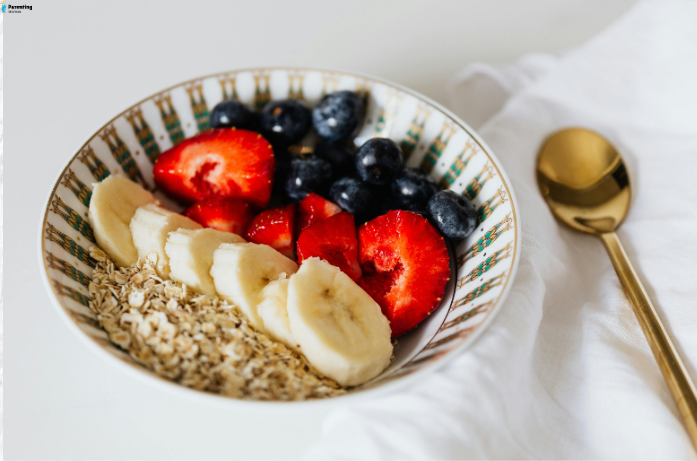
1. Banana Oatmeal Puree (6+ months)
Why it’s great: Potassium-rich banana and gentle-fiber oats create a nourishing, easy-to-digest meal perfect for developing babies. This combination supports healthy digestion, provides lasting energy, and introduces natural sweetness without added sugar, ideal for your baby’s first solid food experience.
Ingredients:
• ½ ripe banana
• 2 tbsp rolled oats
• ¼ cup water or breast milk
Method:
- Cook oats in water or milk until soft.
- Mash banana and stir in the oats.
- Blend or mash to your baby’s texture.
Parent Tip: A tiny pinch of cinnamon (after 8 months) adds cozy flavor.
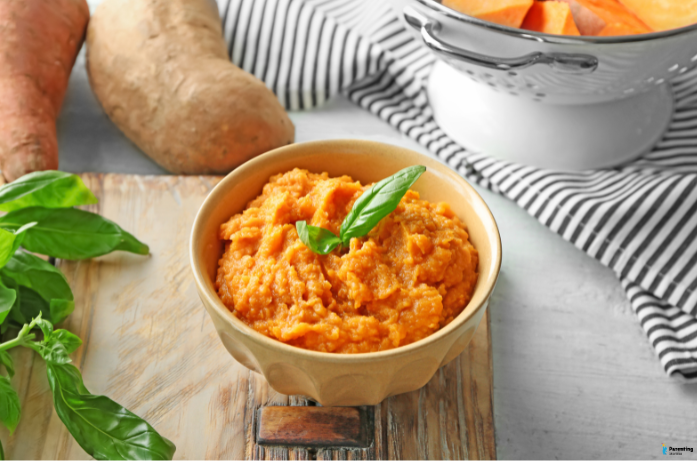
2. Carrot & Sweet Potato Puree (6+ months)
Why it’s great: Packed with bright beta-carotene, carrots and sweet potatoes help support healthy vision, boost immunity, and promote glowing skin. This nutrient-rich combo provides essential vitamins A and C, fiber, and natural sweetness, perfect for your baby’s healthy growth and development.
Ingredients:
• ½ carrot, peeled and chopped
• ½ small sweet potato, peeled and chopped
• Water or breast milk, as needed
Method:
- Steam or boil until tender.
- Blend smooth, adding liquid to thin.
- Serve warm.
Variation: For older babies, stir in a spoon of cooked lentils for extra protein.
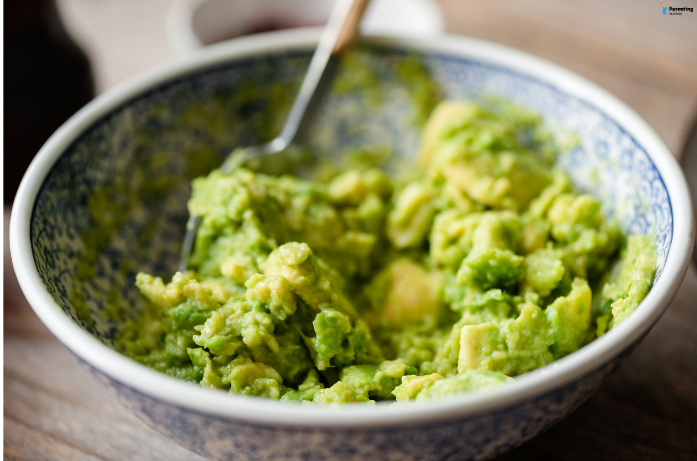
3. Avocado & Pea Mash (7+ months)
Why it’s great: Avocados are packed with creamy healthy fats that support brain and nervous system development, while peas add plant-based protein, iron, and fiber for strong muscles and digestion. This nutrient-dense combo fuels growth, energy, and healthy eating habits early on.
Ingredients:
• ½ ripe avocado
• ¼ cup cooked peas
Method:
- Mash together until creamy.
- A few drops of lemon juice (optional) helps prevent browning.
Parent Tip: Offer with a soft spoon or let baby self-feed for confidence and motor skills.
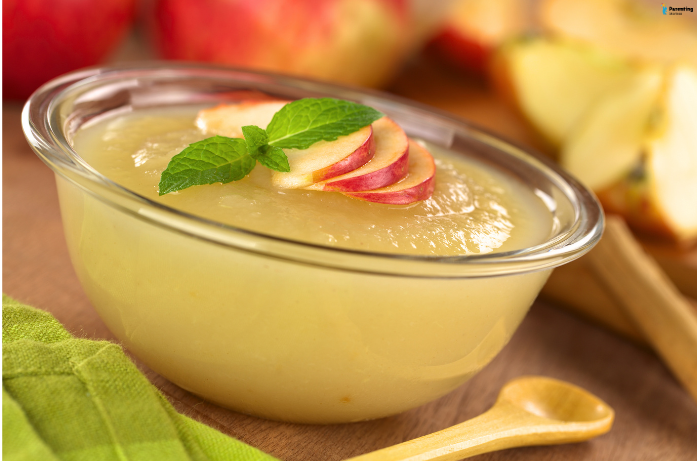
4. Apple & Pear Sauce (6+ months)
Why it’s great: Naturally sweet apples and pears are rich in fiber, vitamin C, and antioxidants that support digestion and immunity. Their gentle texture and mild flavor make this puree perfect for beginners, soothing on tiny tummies while introducing healthy, natural sweetness.
Ingredients:
• ½ apple, peeled and diced
• ½ pear, peeled and diced
Method:
- Steam or simmer until very soft.
- Blend or mash to a smooth puree.
- Serve slightly warm.
Bonus: Stir into baby oatmeal for a cozy breakfast.
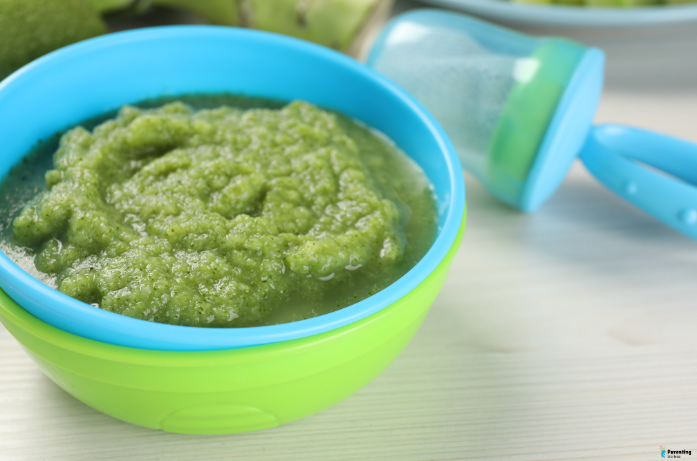
5. Green Veggie Medley (8+ months)
Why it’s great: This vibrant green veggie medley is packed with iron, calcium, vitamins A and C, and fiber, all essential for strong bones, healthy eyes, and digestion. Broccoli, spinach, and peas together boost immunity and support overall baby growth naturally.
Ingredients:
• ¼ cup broccoli florets
• ¼ cup spinach
• ¼ cup peas
Method:
- Steam all until soft.
- Blend smooth, adding water as needed.
- For older babies, keep it a little chunky.
Parent Tip: Mix in a spoon of mashed potato for extra creaminess.
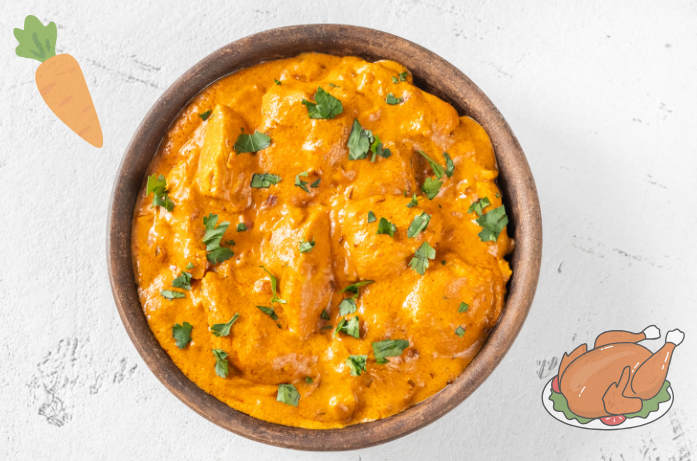
6. Chicken & Carrot Puree (8+ months)
Why it’s great: This hearty combo of chicken and carrot provides high-quality protein, iron, and essential nutrients that support muscle strength, brain development, and healthy growth. The gentle texture makes it easy to digest, introducing babies to mild, savory flavors naturally.
Ingredients:
• ¼ cup boneless chicken breast, chopped
• ½ carrot, peeled and chopped
• Water or unsalted chicken broth
Method:
- Steam or simmer chicken and carrot until soft and fully cooked.
- Blend with a little cooking liquid until smooth.
Variation: Add a spoon of cooked rice for texture.
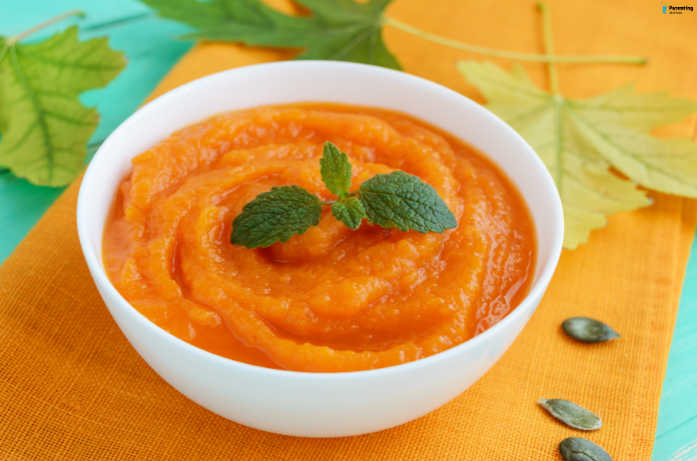
7. Lentil & Pumpkin Puree (8+ months)
Why it’s great: This wholesome blend of red lentils and pumpkin is rich in fiber, iron, and vitamins A and C, supporting digestion, immunity, and steady energy. It’s gentle on tiny tummies while providing plant-based protein for healthy baby growth and development.
Ingredients:
• ¼ cup red lentils (rinsed)
• ½ cup pumpkin cubes
• 1 cup water
Method:
- Simmer lentils and pumpkin until tender.
- Blend or mash to your baby’s texture.
Parent Tip: A tiny pinch of cumin (after 9 months) can add warmth and aid digestion.
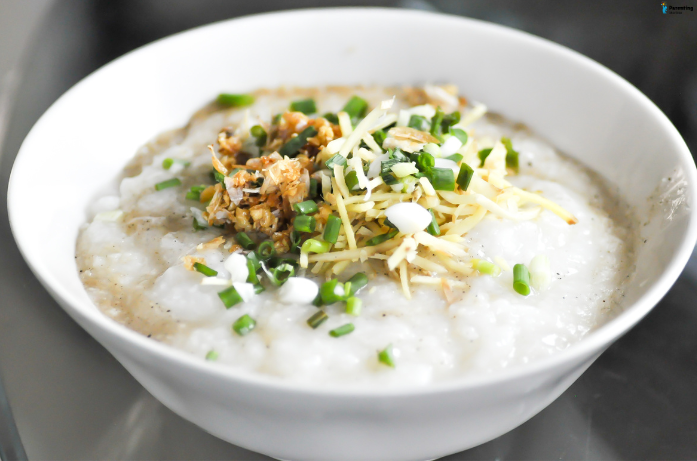
8. Coconut Rice Porridge (9+ months)
Why it’s great: This creamy coconut rice porridge is packed with healthy fats, carbohydrates, and natural sweetness for lasting energy. Coconut milk supports brain development, while rice and banana provide gentle nourishment, a perfect, easy-to-digest meal for growing babies.
Ingredients:
• 2 tbsp cooked rice
• ¼ cup unsweetened coconut milk
• ¼ banana, mashed
Method:
- Warm everything gently in a pan until soft.
- Mash or blend as needed.
Variation: Add a little grated apple or pear for extra sweetness.
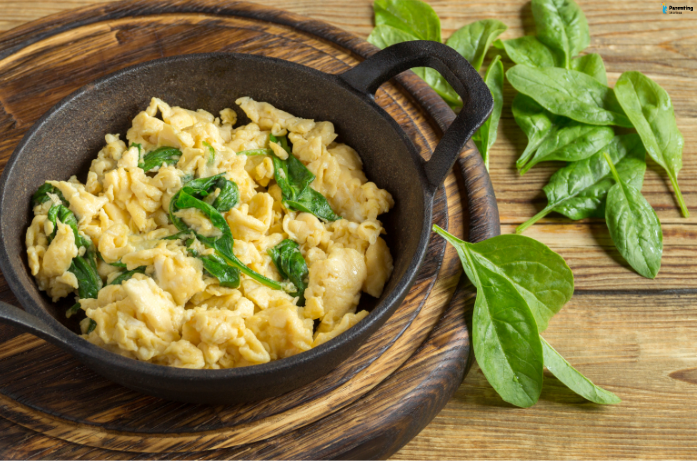
9. Egg Yolk Mash with Spinach (9+ months)
Why it’s great: Egg yolk is rich in choline, iron, and healthy fats that support brain and nerve development, while spinach adds extra iron, folate, and antioxidants. Together, they build strong immunity, boost energy, and promote healthy growth for your baby.
Ingredients:
• 1 hard-boiled egg yolk
• 1 tbsp steamed spinach (finely chopped)
Method:
- Mash yolk and spinach together.
- Loosen with a spoon of breast milk, formula, or water.
Note: Start with yolk; if there’s a family allergy history, ask your pediatrician about introducing egg white.
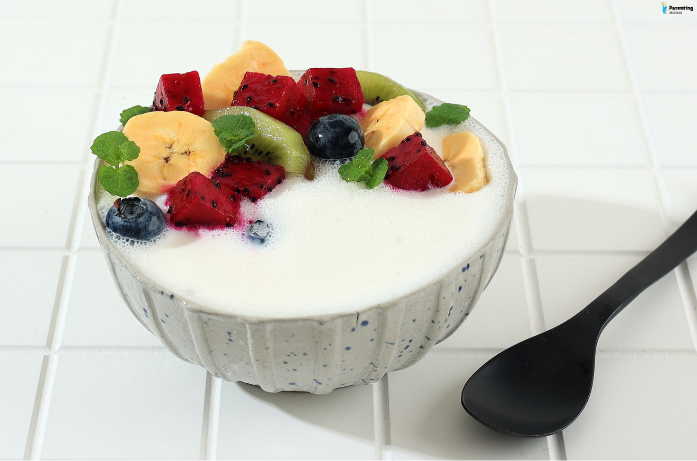
10. Yogurt & Fruit Bowl (10+ months)
Why it’s great: This cooling, calcium-rich recipe keeps your baby hydrated and supports strong bones and teeth. Naturally sweet ingredients provide gentle energy, while probiotics from yogurt (if used) aid digestion and strengthen gut health, perfect for warm-weather nourishment.
Ingredients:
• 2 tbsp plain whole-milk yogurt
• 2 tbsp mashed fruit (banana, strawberry, mango)
Method:
Mix and serve chilled, no sugar needed.
Parent Tip: Stick to plain yogurt; flavored varieties often add sugar.
Bonus: Build Your Baby’s Meal Plan Naturally
Aim for balance and variety across the day:
• Fruits & veggies for vitamins and fiber
• Whole grains (oats, rice, barley) for steady energy
• Proteins (lentils, eggs, chicken, tofu) for growth
• Healthy fats (avocado, coconut, olive oil) for brain development
Introduce new foods one at a time to watch for reactions, and enjoy the messy grins, they’re part of the learning.
FAQs: Common Questions About Homemade Baby Food
Q1. When can I start giving my baby solid food?
Most babies are ready for solids around 6 months of age, when they can hold their head steady and show interest in food. Always check with your pediatrician before starting.
Q2. Is homemade baby food better than store-bought packaged food?
Yes! Homemade food is fresh, nutritious, and preservative-free. It allows you to control ingredients and introduce your baby to real flavors and natural nutrition.
Q3. How long can I store homemade baby food?
Freshly made baby food can be stored in the refrigerator for 2–3 days and in the freezer for up to 1 month. Always use clean, airtight containers.
Q4. Can I add salt or sugar to my baby’s food?
No, babies under one year shouldn’t have added salt or sugar. Their taste should naturally develop through simple, real foods.
Q5. What if my baby refuses new foods?
Be patient! It can take 8–10 tries before a baby accepts a new taste. Offer foods repeatedly in different ways, but never force-feed.
Q6. Which foods should I avoid before my baby turns one?
Avoid honey, cow’s milk (as a main drink), whole nuts, popcorn, and foods high in salt or sugar before age one.
Q7. Can I carry homemade baby food while traveling?
Yes, but only take freshly prepared food and feed it within 2–3 hours. For longer trips, dry or instant mixes are safer options.
Final Thoughts
Homemade baby food doesn’t need fancy tools or hours of prep, just fresh ingredients, a blender or fork, and your gentle touch. Each spoonful is a tiny invitation to explore taste, texture, and family traditions.
Put on some music, steam a sweet potato, mash a banana, and have fun discovering your baby’s new favorites, right from your kitchen. The most important ingredient will always be love.
Parenting isn’t about perfection, it’s about patience, learning, and love.
Discover more gentle, expert-backed guides on baby nutrition, sleep, and growth, Only on ParentingStories.com, where every tiny step holds a big lesson.
Disclaimer
This article is for informational and educational purposes only and is not a substitute for medical or dietary advice. Always consult your pediatrician or a registered dietitian before introducing new foods, especially if your baby has allergies or medical concerns.