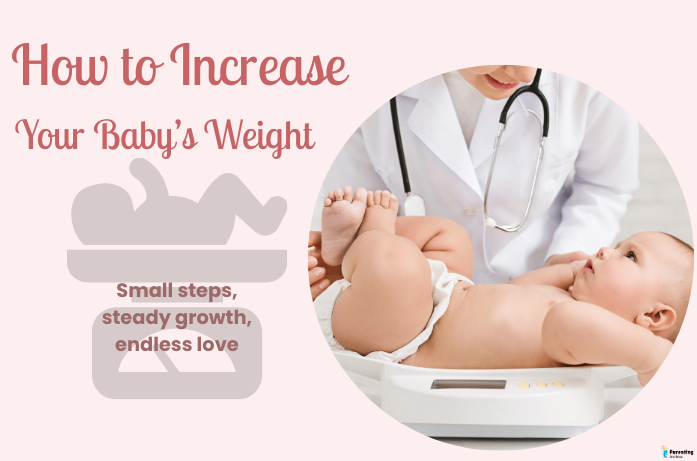
Every parent finds themselves watching the weighing scale and quietly wondering, how to increase baby weight safely and naturally. If this thought has crossed your mind, you’re not alone. Slow weight gain is actually quite common in babies, and in most cases, it can be improved gently with the right care, balanced nutrition, and a little patience. Healthy weight gain isn’t about forcing your baby to eat more than they want. It’s about supporting their body with nourishing foods, helping their digestion, and allowing growth to happen naturally over time. With consistency, love, and the right approach, your baby can thrive in a healthy and happy way.
Here’s a simple, parent-friendly guide with practical baby weight gain tips you can trust.
First, Understand What’s Normal
Not all babies gain weight at the same speed. Some babies are:
• Naturally lean : Some babies are naturally slim. Their body build is lighter, but they are healthy, alert, and developing normally.
• Very active : Some babies are always moving, kicking, or crawling. Because they burn more energy, their weight gain may appear slower.
• Slow but steady growers : Some babies gain weight gradually over time. Even if the changes aren’t sudden, consistent growth is a positive sign of healthy development.
What matters most is consistent growth, not comparison with other babies.
Always check your baby’s growth on a baby growth and weight chart with your pediatrician before worrying.
The World Health Organization (WHO) emphasizes that healthy baby growth is assessed using growth charts over time, not by comparing babies to one another.

1. How to Increase Baby Weight with Frequent, Effective Feeding
For Breastfed Babies
- Feed every 2–3 hours, including at night
- Ensure proper latch so baby gets hindmilk (the fatty milk at the end of a feed)
- Let baby finish one breast before switching
Tip: Hindmilk is rich in healthy fats and plays an important role in how to increase baby weight naturally.
For Formula-Fed Babies
- Feed on demand, not strictly by the clock
- Make sure formula is prepared exactly as instructed (never dilute)
Proper feeding frequency is one of the most effective ways to help a baby who is not gaining weight.
According to the American Academy of Pediatrics (AAP), frequent, responsive feeding and proper feeding techniques are key factors in supporting healthy weight gain in infants.
2. Introduce High-Calorie, Nutritious Solids (6+ Months)
Once your baby is ready for solid foods, it’s important to choose options that offer real nutrition, not just volume. At this stage, your baby needs foods rich in healthy fats, proteins, vitamins, and minerals to support growth and development. Nutrient-dense foods provide more nourishment in small amounts, helping your baby gain weight in a healthy way while also supporting digestion and overall energy.
Best weight gain foods for baby include:
- Mashed banana
- Avocado
- Sweet potato
- Rice porridge with ghee
- Moong dal soup
- Well-cooked oats
- Full-fat curd or yogurt
Add a few drops of ghee or olive oil to homemade foods for extra calories.
3. Feed Small Portions, More Often
Babies have tiny stomachs. Instead of large meals:
• Offer small meals every 2–3 hours : Feeding your baby small amounts throughout the day helps support digestion and ensures they get a steady supply of energy and nutrients.
• Include 2–3 healthy snacks for older babies : For babies over 6 months, offering light, nutritious snacks between meals is beneficial. Options like mashed fruits, oats, paneer, or yogurt provide extra calories and help keep their appetite balanced.
This improves digestion and calorie intake without overloading the tummy.

4. Prioritize Good Sleep
Sleep is incredibly important for a baby growth and weight gain. During rest, the body releases hormones that support the development of bones, muscles, and overall physical growth. Getting enough quality sleep not only promotes healthy development but also helps regulate appetite and digestion, which in turn supports steady and healthy weight gain.
Help your baby sleep better by:
- Following a simple routine
- Keeping nights calm and quiet
- Feeding before sleep
A well-rested baby often feeds better too.
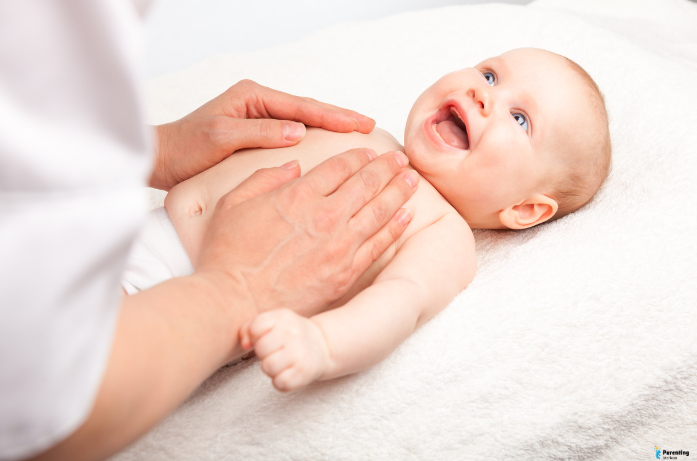
5. Try Gentle Baby Massage
Daily oil massage can:
• Improve blood circulation : Gentle massage increases blood flow, helping nutrients and oxygen reach muscles and organs more efficiently.
• Boost digestion : Massaging the tummy and surrounding areas can support smoother digestion, allowing food to be processed effectively.
• Stimulate appetite : Massage can encourage your baby to feel hungrier, making them more interested in feeding and taking in essential calories.
• Support healthy weight gain : Regular, gentle massage contributes to overall growth and helps promote healthy weight gain over time.
Use coconut or almond oil to gently massage your baby, followed by a warm bath. This traditional practice supports overall growth and complements other methods of how to increase baby weight naturally.
6. Reduce Distractions During Feeding
Older babies get distracted easily.
During feeds:
• Choose a calm and comfortable place for feeding, so your baby can eat without distractions.
• Avoid screens, loud noises, or anything that might divert your baby’s attention.
• Maintain eye contact with your baby to create a sense of security and help them feed more comfortably.
Focused feeding helps babies take in more calories.
7. Avoid These Common Mistakes
• Forcing feeds : Forcing your baby to eat can negatively affect their appetite and digestion, and may even create a fear of feeding.
• Adding sugar or salt : Adding sugar or salt to a baby’s food can affect their taste preferences and may be harmful to their health.
• Giving packaged or junk foods : Packaged or junk foods are low in nutrients and often contain unnecessary calories, sugar, or harmful additives, which can harm health rather than support healthy weight gain.
• Comparing your baby to others : Comparing your baby to others is unhelpful because every child grows at their own pace. It can increase stress and affect healthy development.
If you’re wondering how to increase baby weight fast, remember that fast weight gain isn’t always healthy. Slow, steady progress is best.
8. When to See a Pediatrician
Consult your doctor if:
- Baby is not gaining weight for several weeks
- Baby seems very lethargic
- Feeding is consistently poor
- Baby has vomiting, diarrhea, or reflux
Sometimes, medical issues like reflux, allergies, or infections can affect weight gain, and early help makes a big difference.
Guidance from the National Health Service (NHS) notes that slow weight gain is common in babies and should always be evaluated alongside feeding patterns, activity level, and developmental milestones.
FAQs: Increasing Baby’s Weight in a Healthy Way
Q1. How much weight should my baby gain each month?
Weight gain varies by age. In the first 6 months, babies usually gain faster, then it slows down. Your pediatrician will track this using a growth chart rather than single numbers.
Q2. Does slow weight gain always mean something is wrong?
No. Many babies are naturally lean or very active. If your baby is alert, feeding well, and meeting milestones, slow weight gain is often normal.
Q3. Can I add extra ghee or oil to every meal?
Small amounts are helpful, but moderation is important. Too much fat can upset digestion. Always add gradually and observe how your baby responds.
Q4. Will force-feeding help my baby gain weight faster?
No. Force-feeding can reduce appetite and create feeding stress. Gentle, responsive feeding works much better for healthy weight gain.
Q5. When should I worry about my baby’s weight?
If weight gain stops completely, feeding is consistently poor, or your baby seems weak or unwell, consult your pediatrician.
Final Thoughts: Trust the Process
Healthy weight gain takes time. With love, patience, proper nutrition, and regular checkups, most babies catch up beautifully.
Your baby doesn’t need to be chubby to be healthy, they need to be active, alert, and steadily growing.
And remember, you’re doing your best, and that truly matters.
Every baby grows differently, and every parent has questions.
For more gentle guidance, real-life experiences, and reassurance from parents just like you, visit Parenting Stories.
Disclaimer
This article is for general informational purposes only and does not replace professional medical advice. Always consult your pediatrician regarding your baby’s growth, feeding concerns, or nutrition. If your baby shows signs of poor health or stalled growth, seek medical guidance promptly.