
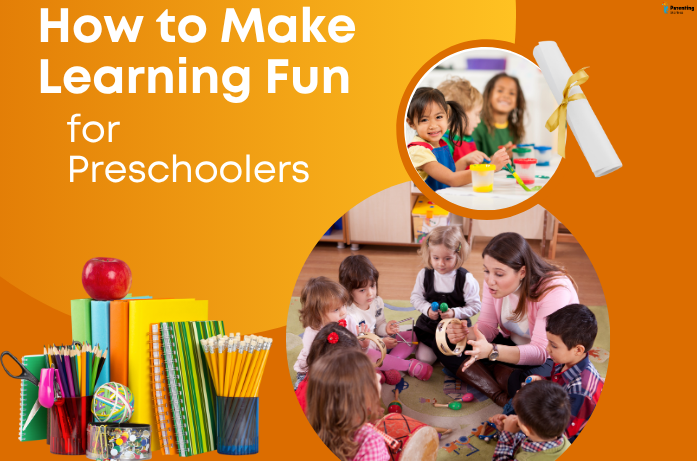
Preschoolers are little explorers, curious, energetic, and full of wonder. For them, learning doesn’t come from worksheets or long lessons; it comes from play, imagination, and discovery. Understanding how to make learning fun for preschoolers ensures that knowledge sticks because when learning feels like fun, it doesn’t just teach, it engages!
At this age, playful learning builds a strong foundation for reading, early math, creativity, and social-emotional skills. Activities -based learning for pre-schoolers like building with blocks, storytelling, singing songs, or exploring nature spark curiosity and strengthen brain development. Through hands-on play, children learn problem-solving, communication, and cooperation, essential skills for school and life.
Parents and caregivers play a key role by creating a positive, encouraging environment where every question and every why becomes an opportunity to learn. Remember, preschool learning isn’t about perfection, it’s about exploration and joy.
Make every day a playful adventure filled with laughter and learning, because when children play with purpose, they grow smarter, happier, and more confident!

1. Turn Playtime into Learning Time
Preschoolers learn best by doing. Turn everyday play into a fun, hands-on classroom, without making it feel like one! Simple activities like stacking blocks, sorting colors, or pretend play help develop problem-solving, creativity, and social skills. According to the American Academy of Pediatrics’ insights on the power of play, playful learning supports brain development and strengthens relationships. Encourage curiosity by asking questions, exploring nature, or playing learning games together. When learning blends with play, children build confidence, communication, and early school readiness,all while having fun!
Try This:
- Build towers with blocks to teach balance, shapes, and counting.
- Sort toys by color or size, a fun early math skill.
- Play pretend like grocery store, doctor, or kitchen, perfect for role play and language growth.
- Try easy simple art and craft activities, like paper plate animals or handprint trees, to help develop creativity and fine motor skills.
When play feels real and engaging, learning becomes effortless.
2. Read Aloud Every Day
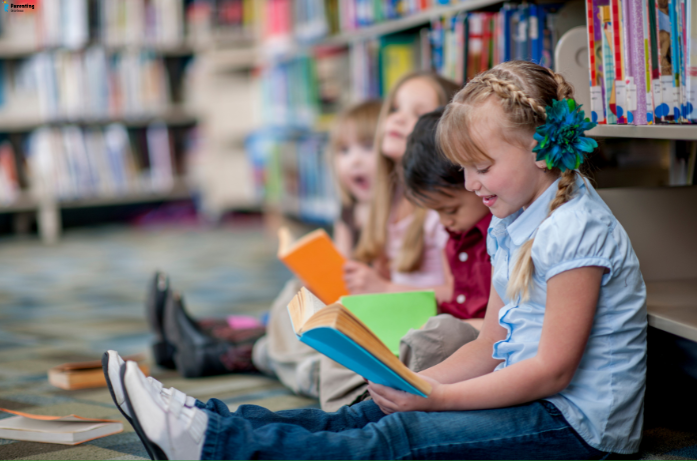
Storytime isn’t just about books, it’s about bonding and expanding imagination. Reading aloud helps children develop listening skills, vocabulary, and emotional understanding. When parents make storytime engaging with expressions, questions, and interaction, kids connect words with feelings and ideas. It also builds early literacy skills, improves focus, and strengthens the parent-child relationship. Even short daily reading sessions create lifelong learners who love stories and learning through imagination.
Parent Tip:
- Use funny voices, gestures, and sound effects.
- Ask questions like What do you think happens next?
- Let your child turn the pages and point out pictures.
You can even introduce colouring alphabet sheets or letter-tracing games after storytime to connect reading with fun.
Even 10 minutes a day helps your child build focus, vocabulary, and creativity.
3. Use Music, Songs, and Rhymes
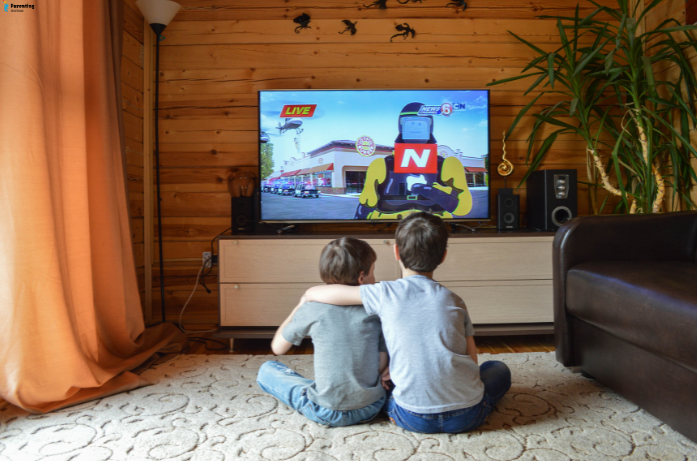
Preschoolers love rhythm, and music makes learning stick! Singing, clapping, and dancing help children develop language, memory, and coordination skills. Music strengthens listening abilities, improves focus, and makes learning new concepts, like numbers, letters, and sounds, more fun and memorable. Rhymes and songs also boost pronunciation and early literacy. Adding music to daily routines builds confidence, joy, and a lifelong love for learning through rhythm and movement.
Try This:
- Sing alphabet or counting songs.
- Use claps or drums for beat and coordination.
- Dance while singing, movement helps memory and builds joy.
Music also makes transitions smoother, sing tidy-up songs or morning tunes, especially for the first day of preschool activities when routines are new and exciting.
4. Learn Through Everyday Tasks
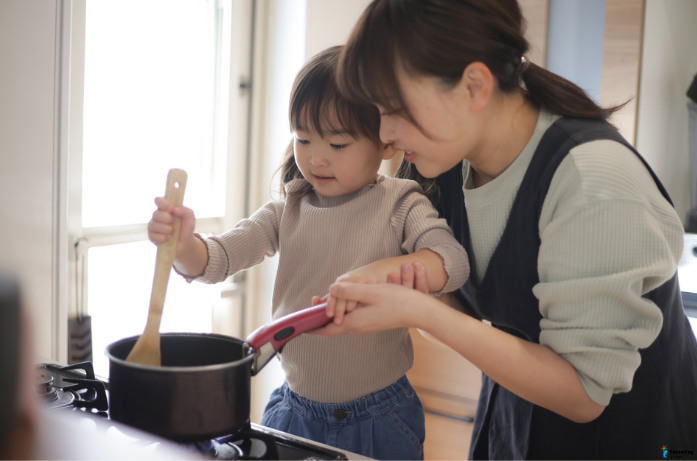
Everyday routines are full of hidden learning opportunities. Simple daily moments like cooking, cleaning, or grocery shopping can help children learn counting, colors, and language naturally. When kids take part in these small tasks, they become more independent and confident. Talking about shapes, numbers, or colors while doing chores turns ordinary moments into fun learning experiences. These real-life lessons make learning meaningful, practical, and something children truly enjoy every day.
Try This:
- Count apples while setting the table.
- Talk about shapes when folding laundry (Look, this towel is a rectangle!).
- Let your child pour, stir, or measure while cooking.
Small tasks like these teach numbers, language, and confidence, all while spending special moments together.
5. Explore The Great Outdoors
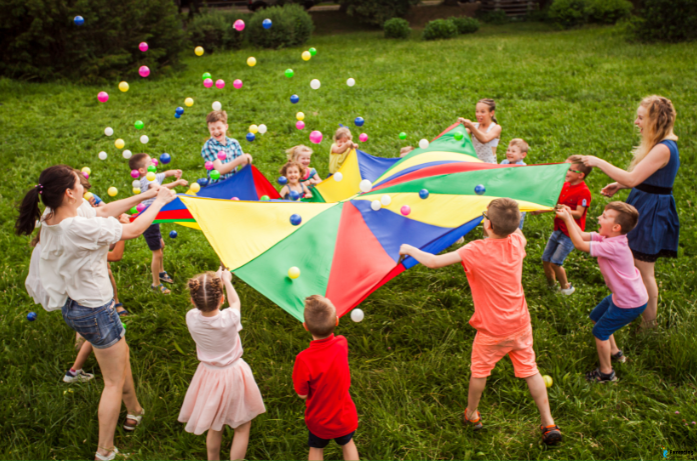
Nature is the greatest classroom. Every cloud, flower, or leaf sparks curiosity and inspires children to learn through exploration. Spending time outdoors builds sensory awareness, creativity, and problem-solving skills. Simple activities like planting seeds, collecting stones or leaves, and observing insects teach kids about science and the environment in a natural, hands-on way. Outdoor play also supports healthy development and helps children reach important growth and learning milestones, as highlighted by trusted resources like the CDC’s developmental milestones guide. It not only improves focus and physical growth but also nurtures a deep love for nature that stays with them for life.
Try This:
- Go on a nature treasure hunt, find something round, soft, or green.
- Grow a small plant and observe how it changes each day.
- Collect leaves and turn them into an easy simple art and craft project at home.
Outdoor play boosts focus, curiosity, and love for the environment, lessons that last a lifetime.
6. Encourage Creativity and Expression
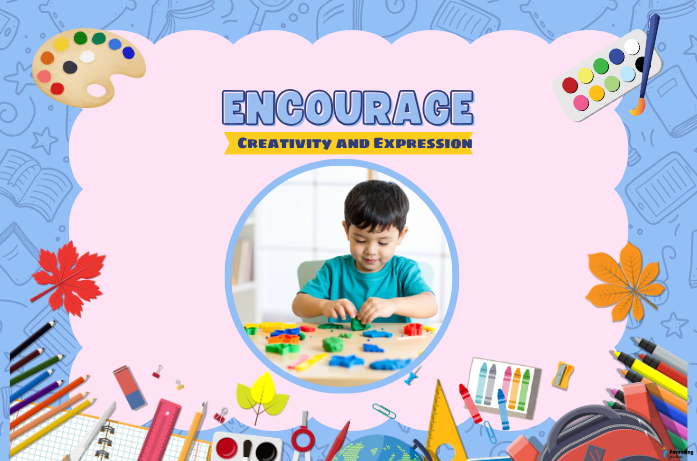
Preschoolers love expressing themselves through art, music, and pretend play. Creative activities help children communicate feelings, build confidence, and develop fine motor skills. When kids paint, sing, dance, or role-play, they learn to think independently and solve problems in imaginative ways. Encouraging open-ended play boosts emotional growth and self-expression. Whether it’s drawing alphabets, crafting, or storytelling, creativity helps preschoolers connect learning with joy, building strong foundations for future learning and confidence.
Parent Tip:
- Keep crayons, play dough, and old magazines handy for spontaneous art time.
- Let them paint freely, no rules, no pressure.
- Draw alphabets together, or use colouring alphabet pages to make letter learning creative and fun.
Creative play helps kids explore emotions, solve problems, and build imagination, all while having a blast.
7. Talk, Listen, and Ask Questions
Conversations are one of the most powerful learning tools. Talking with your preschooler helps develop language, listening, and critical thinking skills. Open-ended questions encourage curiosity and imagination, while storytelling builds memory and communication. When parents listen patiently and respond with interest, children feel valued and confident to express themselves. Everyday conversations, during meals, play, or bedtime, turn into meaningful lessons that strengthen vocabulary, emotional connection, and a lifelong love for learning.
Try This:
- Ask open-ended questions like Why do you think the sky is blue?
- Encourage storytelling, What did your teddy do today?
- Listen with patience, even to their funny or endless explanations!
Talking builds vocabulary, emotional understanding, and connection.
8. Use Sensory Play to Spark Learning
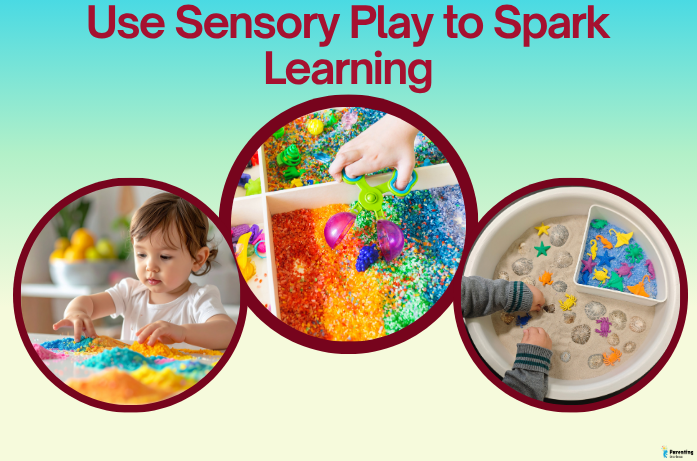
Preschoolers learn through touch, sound, and texture. Sensory play engages all five senses and helps children explore and understand the world around them. Activities like playing with sand, water, clay, or textured materials improve hand coordination and focus. Describing sensations such as soft, rough, or sticky helps build language and awareness. These experiences nurture creativity, problem-solving, and emotional balance, making learning natural and meaningful for young children.
For more ideas and guidance, you can also explore this helpful sensory play resource.
Try This:
- Create a sensory bin with rice, beans, or sand.
- Add cups, spoons, and small toys for scooping and pouring.
- Play with water, clay, or finger paints, describe how things feel (Is it rough, sticky, or soft?).
Sensory play supports brain development, creativity, and calmness.
9. Celebrate Small Wins
Every I did it! moment is worth celebrating. Recognizing small achievements helps preschoolers build confidence, resilience, and a positive attitude toward learning. Instead of focusing only on results, praise their effort, patience, and progress. Celebrating little milestones, like tying shoes, sharing toys, or finishing a puzzle, teaches children that growth comes from trying. Encouragement boosts motivation and helps them develop a lifelong mindset of curiosity, persistence, and self-belief.
Example:
Instead of Good job, say I love how you kept trying until you got it!
This builds confidence and teaches that effort matters more than perfection.
Little praises help children stay curious and motivated, especially during the first days of preschool, when they’re adjusting to new routines.
10. Follow Their Curiosity
Preschoolers are natural question-askers, let their interests lead the way! When children explore topics they love, learning becomes more meaningful and exciting. Follow their curiosity about animals, colors, space, or nature through books, play, and hands-on activities. Asking and answering questions builds critical thinking, language skills, and confidence. By nurturing their natural curiosity, you help them become independent learners who see discovery and learning as fun, everyday adventures.
Parent Tip:
If your child is fascinated by animals or space, explore books, draw, or watch short videos on those topics. You can even turn their interests into themed art and craft activities for the week.
When you follow their curiosity, learning feels natural, personal, and joyful.
FAQs: How to Make Learning Fun for Preschoolers
1. What are the best fun learning activities for preschoolers at home?
Simple, playful ideas work best, sorting toys, storytelling, singing, or helping in the kitchen. These hands-on activities build creativity, confidence, and early learning skills naturally.
2. How can I encourage my preschooler to learn without forcing them?
Follow your child’s curiosity! Turn their interests, animals, colors, or space, into fun themes. Keep activities short, joyful, and pressure-free so learning feels like play, not work.
3. How much structured learning does a preschooler need daily?
Preschoolers learn best through play, not strict routines. Around 1–2 hours of guided play, storytime, or creative activities each day is perfect for balanced growth.
4. How can I make reading more engaging for my preschooler?
Add fun! Use voices, props, and questions while reading. Connect stories to real-life play, like acting out a scene or drawing the characters afterward.
5. Why is outdoor play important for preschool learning?
Outdoor play builds sensory awareness, focus, and problem-solving. Nature sparks curiosity and helps children explore science, movement, and creativity in real, hands-on ways.
Final Thoughts: Learning Through Love and Laughter
Preschool learning doesn’t need to be formal or perfect, it just needs to be fun, loving, and full of discovery. When your child plays, laughs, and asks questions, they’re already learning in the best way possible.
At Parenting Stories, we believe learning begins with laughter, love, and a little bit of curiosity.
Discover more gentle, guides on your child’s growth, play, and emotional development, written with real parents in mind.
Explore ParentingStories, where every giggle, question, and crayon line becomes a step toward confident, happy learning.
Disclaimer:
This article is for informational purposes only and not a substitute for professional educational advice. Always consult your child’s teacher or pediatrician for personalized guidance.