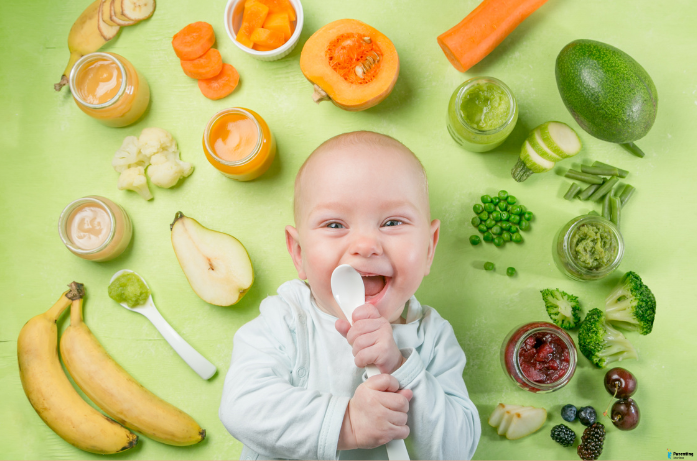
Iron plays a vital role in your child’s growth, energy, and brain development. Including iron-rich foods for babies and toddlers from around 6 months of age helps prevent deficiency, supports healthy blood cells, and keeps little bodies active and alert. With the right food choices and simple meal combinations, you can easily meet your child’s daily iron needs while building healthy eating habits that last a lifetime.
Why Iron-Rich Foods for Babies and Toddlers Are Essential
Iron helps the body produce hemoglobin, the protein that carries oxygen in red blood cells. It keeps your baby’s brain, muscles, and body working at their best. Without enough iron, babies can become tired, irritable, and may experience slower growth or learning delays. Adequate iron also supports healthy brain development, strong immunity, and steady energy for daily play and learning.
Did You Know?
According to the American Academy of Pediatrics (AAP), iron deficiency in babies and toddlers is one of the most common nutritional gaps in babies and toddlers, but it’s also one of the easiest to fix with the right foods.
How Much Iron Do Babies and Toddlers Need Daily?
Here’s a quick look at how much iron your little one needs each day to support healthy growth, brain development, and strong immunity, ensuring they have the energy to play, learn, and thrive every day.
| Age | Recommended Daily Iron Intake |
| 0–6 months | 0.27 mg (from breast milk or formula) |
| 7–12 months | 11 mg |
| 1–3 years | 7 mg |
| 4–8 years | 10 mg |
Parent Tip:
If your baby is exclusively breastfed, your pediatrician may recommend iron supplements or iron-rich foods starting at 6 months. Every baby is different, so always check before adding supplements.
Types of Iron in Iron-Rich Foods for Babies and Toddlers
There are two types of iron your child can get from food, both essential for healthy growth, brain development, and energy. Understanding these helps you choose the right iron-rich meals for your little one.
- Heme Iron in Iron-Rich Foods for Babies and Toddlers: Found in meat, poultry, and fish, this type is absorbed most easily by the body.
- Non-Heme Iron in Iron-Rich Foods for Babies and Toddlers: Found in lentils, beans, vegetables, and grains, healthy and essential, but it’s absorbed better when paired with vitamin C-rich foods.
Example: Combine spinach puree with a few drops of lemon juice, or serve lentil soup with mashed tomato, a simple and tasty way to help the body absorb more iron!
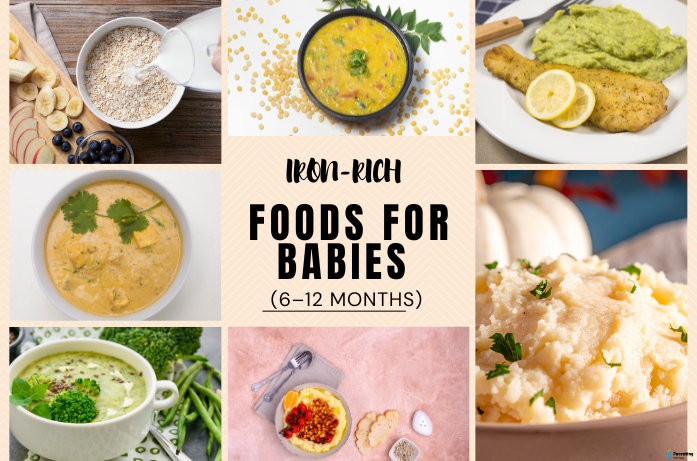
Best Iron-Rich Foods for Babies (6–12 Months)
When your baby starts solids, it’s the perfect time to introduce iron-rich foods that are soft, easy to digest, and gentle on tiny tummies. These foods support brain development, boost immunity, and provide lasting energy for your baby’s rapid growth and daily discoveries.
Best First Iron Foods:
- Iron-fortified baby cereal (rice, oatmeal, or multigrain mixed with breast milk or formula)
- Mashed lentils or moong dal
- Pureed chicken, turkey, or fish (well-cooked and boneless)
- Mashed tofu or paneer
- Pureed spinach, peas, or broccoli
- Well-cooked and mashed beans or chickpeas
- Fully cooked egg yolk (mashed smooth)
Parenting Tip:
Start slow. Offer one new food at a time, and wait a few days before trying another. It helps spot any allergic reactions early and builds your baby’s comfort with new tastes.
Best Iron-Rich Foods for Toddlers (1–3 Years)
As your little one grows, their world, and their plate, gets bigger! Toddlers can enjoy a variety of iron-rich foods in creative and fun ways. These foods support strong muscles, healthy brain development, and keep your child active, focused, and full of energy every day.
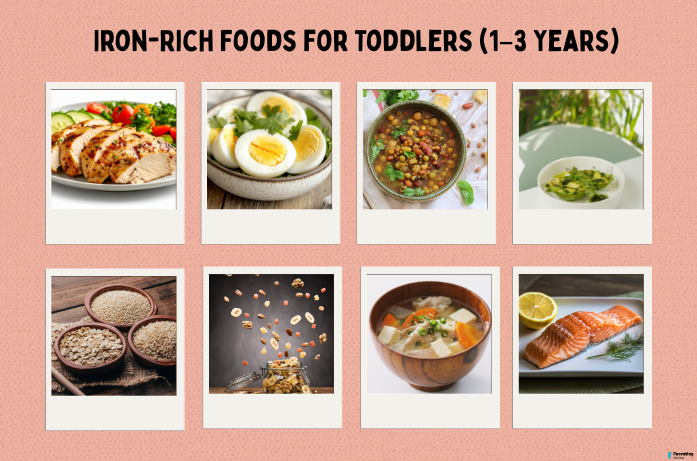
Top Iron Foods for Toddlers:
- Meat & Poultry: Soft-cooked chicken, mutton, turkey, or beef (finely chopped or shredded)
- Eggs: Scrambled, boiled, or mixed into pancakes or parathas
- Legumes: Lentils, chickpeas (chana), kidney beans (rajma), or black beans
- Green Veggies: Spinach, broccoli, and amaranth leaves
- Whole Grains: Oats, quinoa, millet, or iron-fortified cereals
- Dry Fruits: Prunes, raisins, and apricots (pureed or finely chopped)
- Tofu or Paneer: Soft cubes added to curries, soups, or stir-fries
- Fish: Salmon, tuna, or sardines (always well-cooked and boneless)
Toddler Tip:
Make food fun! Use cookie cutters to shape pancakes, chapatis, or sandwiches. Colorful plates make healthy meals exciting for little eaters.
How to Improve Iron Absorption in Babies and Toddlers
To help your baby’s body absorb more iron, include a source of vitamin C at every meal. Vitamin C enhances the absorption of non-heme iron found in plant-based foods, making it easier for your little one’s body to use. Adding fruits like oranges, strawberries, or tomatoes not only boosts nutrition but also makes meals colorful, tasty, and exciting for babies.
Easy Vitamin C Add-Ons:
- Mashed strawberries or kiwi
- Tomato puree or bell peppers
- Orange or sweet lime juice (after 1 year)
- A few drops of lemon juice over lentils or veggies
Tasty Combo Example:
Spinach and dal with a squeeze of lemon → delicious and iron-boosting!
Sample Meal Ideas Using Iron-Rich Foods for Babies and Toddlers
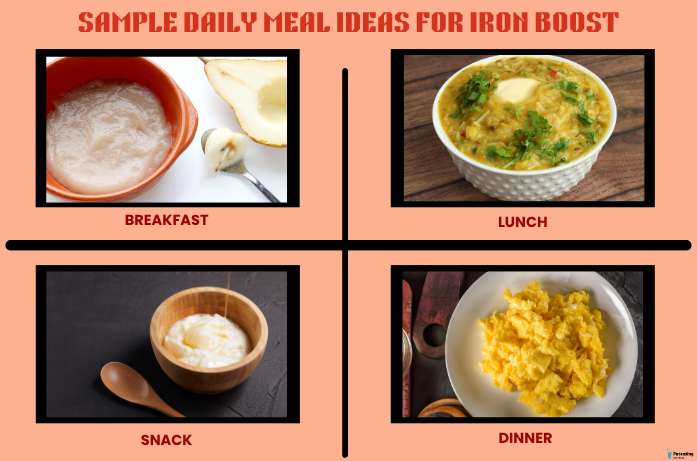
Here’s a simple, balanced day to inspire your baby’s or toddler’s meal plan. These meal ideas include iron-rich foods combined with vitamin C sources to boost absorption, support healthy growth, brain development, and build strong immunity for your little one’s overall well-being.
Breakfast: Iron-fortified oatmeal with mashed banana or pear puree
Lunch: Moong dal khichdi with spinach and a drizzle of ghee
Snack: Yogurt with mashed prunes or fortified puffed grains
Dinner: Scrambled egg yolk with mashed sweet potato and peas
Quick Tip:
Rotate foods often, new colors, textures, and flavors keep little ones curious and help build lifelong healthy habits.
Signs of Iron Deficiency in Babies and Toddlers
Most children get enough iron from a balanced diet, but sometimes their growing bodies need a little extra. Low iron levels can affect energy, concentration, and overall development. If your child often looks pale, feels tired, or seems less active than usual, these could be early signs of iron deficiency to watch for.
- Pale skin or lips
- Unusual tiredness or low energy
- Irritability
- Poor appetite
- Slow growth or delayed milestones
If you notice these symptoms, speak to your pediatrician. A simple blood test can check your child’s iron levels and guide you toward the right plan.
FAQs: Iron-Rich Foods for Babies and Toddlers
Q1. What are the first iron-rich foods I should introduce to my baby?
Start with soft, easily digestible options like iron-fortified cereals, pureed lentils, mashed chicken, or spinach puree. Introduce one new food at a time to watch for allergies.
Q2. Can vegetarian babies get enough iron from food?
Yes! Lentils, beans, spinach, peas, tofu, and fortified cereals are great sources. Combine them with vitamin C foods like tomatoes or lemon to boost absorption.
Q3. My toddler refuses to eat vegetables, how can I increase iron intake?
Hide veggies in khichdi, pancakes, parathas, or smoothies. You can also add iron-fortified cereals or sprinkle powdered nuts and seeds on meals.
Q4. How do I know if my baby is low in iron?
Watch for pale skin, tiredness, or poor appetite. If you suspect deficiency, your pediatrician can confirm it with a simple blood test.
Q5. Can I give iron supplements without a doctor’s advice?
No. Always consult your pediatrician first, too much iron can be harmful. Most babies get enough from a balanced diet when solids begin.
Q6. What helps the body absorb iron better?
Vitamin C! Pair iron foods with fruits like orange, strawberry, or tomato for better absorption and added flavor.
Final Thoughts: Iron-Rich Foods for Babies and Toddlers Matter
Iron is like a silent hero in your baby’s growth story, small in size but mighty in impact. With a few mindful choices and a variety of wholesome foods, you can give your little one everything they need to stay strong, smart, and full of energy.
Parenthood isn’t about perfection, it’s about love, patience, and balance. Every spoonful of lentils, bite of spinach, or taste of fortified cereal is a step toward a healthy, happy childhood.
Building strong bodies starts with small, mindful meals.
Explore more expert-backed, heart-led guides on baby nutrition, feeding, and growth at ParentingStories.com, where every bite tells a story of love and care.
Disclaimer
This article is for informational purposes only and should not replace medical or nutritional advice. Always consult your pediatrician before introducing new foods or supplements, especially if your child has allergies or unique dietary needs.