Motor skills form the foundation of a child’s physical development. Everyday actions, like holding a spoon, buttoning a shirt, or running across the playground, depend on good motor coordination. These abilities don’t develop all at once; they grow gradually as children move, explore, and interact with their surroundings.
The encouraging part is that children naturally build motor skills through play. Whether they are stacking blocks, pushing a toy, or trying to keep their balance while walking, they are not only enjoying themselves but also strengthening their muscles and improving coordination.
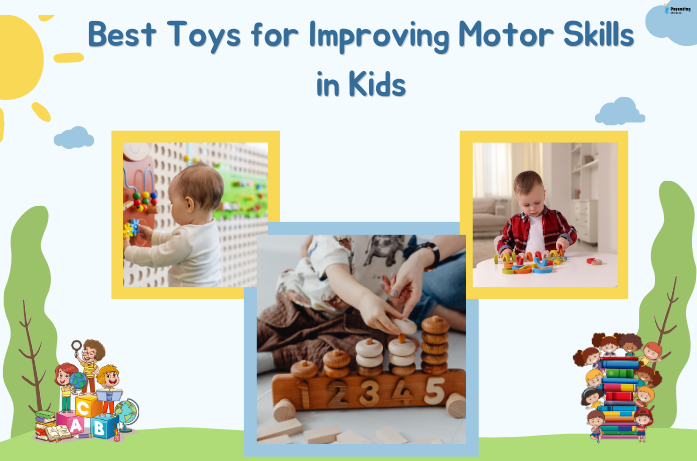
Choosing the right motor skills toys for kids can gently support this process. Toys that involve grasping, sorting, or drawing help develop fine motor skills, which rely on small movements of the hands and fingers. Meanwhile, motor skills toys for kids that encourage crawling, jumping, climbing, or balancing support gross motor skills, which involve larger muscle groups and whole-body movement.
By providing playful and engaging experiences, parents can support healthy motor development in a simple, natural, and enjoyable way.
Understanding Motor Skills Toys for Kids
Motor skills are essential abilities that help children move and perform everyday tasks with confidence. They are generally divided into two types, and both play an equally important role in a child’s growth and independence. The American Academy of Pediatrics explains the importance of both fine and gross motor development in early childhood
- Fine Motor Skills: Fine motor skills involve small, precise movements made using the hands, fingers, and wrists. These skills help children manage tasks that require control and coordination. Simple activities like holding crayons, buttoning clothes, picking up small objects, or using utensils during meals all depend on well-developed fine motor skills. As these skills improve, children become more capable of handling daily self-care tasks on their own.
- 2. Gross Motor Skills: Gross motor skills involve the larger muscles of the arms, legs, and core. These skills support big body movements and overall physical strength. Actions such as crawling, walking, jumping, and climbing are all examples of gross motor development. They allow children to explore their environment, stay active, and build balance and coordination.
Together, fine and gross motor skills help children become more independent, confident, and physically capable as they grow.
Best Toys for Fine Motor Skills
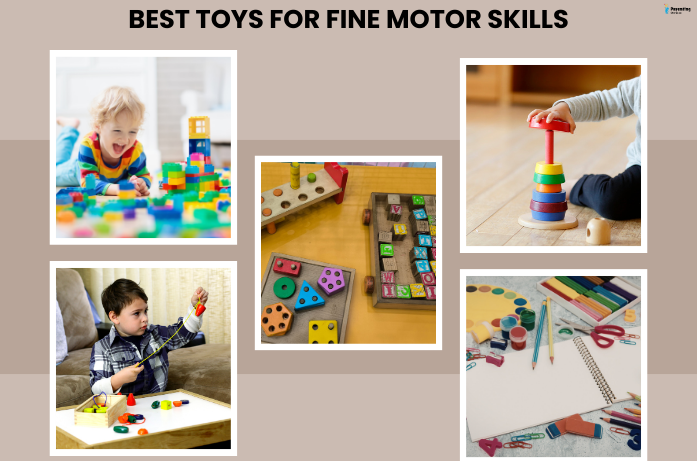
Fine motor skills grow best when children engage in hands-on play that encourages careful hand and finger movements.
1. Building Blocks
Building blocks may appear simple, yet they are very effective for strengthening fine motor control. When children stack and balance blocks, they improve hand strength, finger coordination, hand-eye coordination, and spatial awareness. The careful placement of each block encourages precision and steady control.
2. Stacking Rings
Stacking rings are ideal for toddlers who are learning to use their hands more purposefully. As children grasp and place each ring in order, they develop hand stability, coordination, and an understanding of sizes. This activity gently strengthens finger muscles that are important for writing later on.
3. Shape Sorters
Shape sorters combine play with learning toys for kids and fine motor practice. Children rotate and adjust shapes to fit them into the correct slots, which supports problem-solving, visual coordination, and precise hand movements. This helps improve control and focus in a playful way.
4. Bead Threading Sets
Threading beads onto a string is a focused activity that builds finger dexterity and coordination between both hands. It also encourages patience and concentration while strengthening the small muscles needed for better hand control.
5. Art Supplies
Crayons, paintbrushes, clay, and child-safe scissors are excellent tools for fine motor development. These activities improve grip strength, wrist control, and coordination, while also allowing children to express their creativity. Regular drawing and coloring naturally prepare children for future handwriting skills.
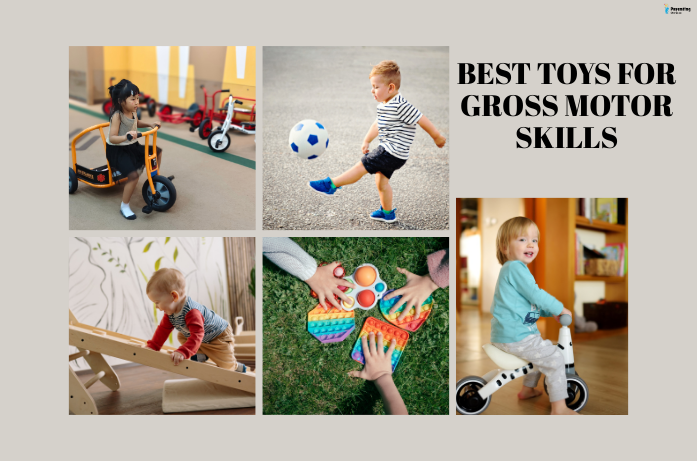
Best Toys for Gross Motor Skills
Active play is essential for developing strong gross motor skills, as it allows children to move freely and build strength, balance, and coordination in a natural way.
1. Ride-On Toys and Tricycles
Ride-on toys and tricycles are wonderful for encouraging outdoor movement and physical activity. As children ride, they naturally strengthen their leg muscles, improve balance, and develop better coordination and spatial awareness. These toys also give children a sense of independence while keeping them active and engaged.
2. Balls (Various Sizes)
Playing with balls, whether throwing, catching, or kicking, offers a simple yet powerful way to build gross motor skills. These activities enhance hand-eye coordination, reaction time, and full-body coordination. Even basic ball games help children gain confidence while improving muscle control and movement awareness.
3. Climbing Structures
Climbing toys or safe playground equipment provide excellent opportunities for whole-body development. As children climb, they build core strength, improve balance, and develop agility. At the same time, they learn to assess risks and make careful movements, which supports both physical and cognitive growth. Climbing also encourages independence and resilience.
4. Push and Pull Toys
Push and pull toys are especially helpful for toddlers who are just learning to walk. These toys support balance, stability, and leg strength while giving children the confidence to take steady steps. With regular use, toddlers become more secure in their movements and more willing to explore their surroundings.
5. Balance Bikes
Balance bikes are a great introduction before moving on to traditional pedal bicycles. They help children develop core stability, balance, and coordination in a fun and safe way. As children learn to control their movement and stay balanced, they gain confidence, making the transition to pedal bikes much smoother later on.
Indoor Activities That Build Motor Skills
You don’t always need special toys to support motor development. Simple indoor activities can be just as effective and enjoyable. Tummy time helps babies build strength for crawling and sitting. Dancing to music improves balance and coordination. Creating small obstacle courses at home encourages climbing, crawling, and body control. Playing catch supports hand-eye coordination, while building pillow forts strengthens both fine and gross motor skills.
Active play indoors not only improves physical strength but also supports healthy brain development in a natural and fun way.
How Parents Can Support Motor Development
Toys are helpful, but active engagement matters even more. You can support your child’s motor development by:
- Encouraging active play every day
- Limiting excessive screen time
- Playing together and staying involved
- Offering age-appropriate challenges
- Praising effort rather than perfection
Motor skills develop gradually through repetition, patience, and positive encouragement.
The American Academy of Pediatrics also provides screen time guidelines to support healthy physical and motor development:
Age-Based Toy Suggestions
Choosing toys according to a child’s age helps support their motor development in a safe and natural way. As children grow, their abilities change, so age-appropriate toys keep them engaged while gently building new skills.
0–12 Months
- Soft balls: encourage reaching, grasping, and early coordination
- Rattles: improve grip strength and sensory awareness
- Tummy time mats: build neck, shoulder, and core strength
- Grasping toys: support hand control and finger movements
1–3 Years
- Stacking toys: develop hand control and problem-solving
- Push toys: help with balance, walking confidence, and leg strength
- Shape sorters: improve coordination and early cognitive skills
- Ride-on toys: encourage active movement and body coordination
3–5 Years
- Tricycles: strengthen legs, balance, and overall coordination
- Bead threading: refine finger dexterity and concentration
- Building sets: enhance fine motor control and creativity
- Beginner sports equipment: promote full-body movement and confidence
Signs of Healthy Motor Development
Every child develops at their own pace, but some general milestones can guide parents. Babies usually begin to roll, sit, and crawl gradually. Toddlers start walking, running, and climbing as their balance improves. Preschoolers often learn to jump, balance, and use scissors with better control.
If you notice significant or consistent delays, it is best to consult a pediatrician for proper guidance and reassurance.
Frequently Asked Questions (FAQs)
1. What toys help improve fine motor skills in kids?
Toys like building blocks, stacking rings, bead threading sets, shape sorters, and art supplies help improve fine motor skills. These toys strengthen finger muscles, hand-eye coordination, and grip control.
2. What are the best toys for developing gross motor skills?
Ride-on toys, balls, climbing structures, push-and-pull toys, and balance bikes are excellent for improving gross motor skills. They strengthen large muscles, balance, coordination, and overall physical confidence.
3. At what age do motor skills start developing?
Motor skills begin developing from birth. Babies start building strength through tummy time, reaching, and grasping. As they grow, crawling, walking, jumping, and climbing further improve motor coordination.
4. Can indoor play improve motor skills?
Yes. Indoor activities like dancing, pillow forts, obstacle courses, and playing catch can significantly improve both fine and gross motor skills without special equipment.
5. When should I worry about motor skill delays?
Every child develops at their own pace. However, if your child consistently struggles with basic movements like sitting, walking, or using their hands compared to age milestones, it’s best to consult a pediatrician for guidance.
Final Thoughts
Motor skill development is a journey that happens naturally through movement and play.
The best toys for improving motor skills are often simple, open-ended, and encourage active engagement.
You don’t need expensive equipment, just safe spaces, encouragement, and opportunities to move.
At Parenting Stories, we believe that playful learning builds strong bodies and confident minds. Support your child’s motor development through fun, movement, and everyday moments.
Disclaimer
This article is for informational purposes only. If you have concerns about your child’s motor development, consult a pediatrician or child development specialist for personalized advice.