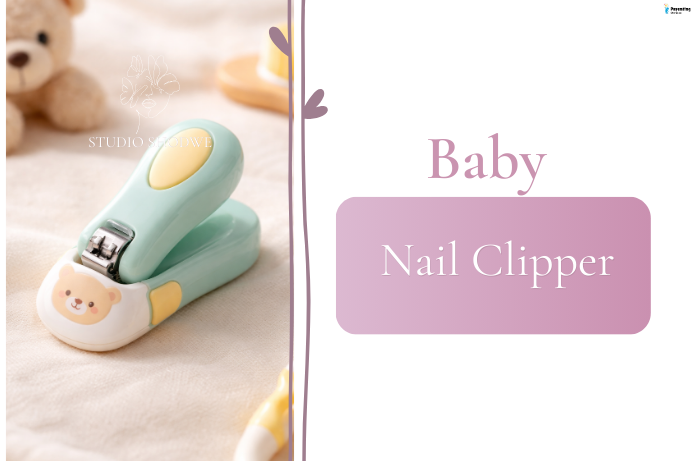

A newborn baby’s skin is extremely soft and sensitive, which is why following a gentle newborn skin care tips is very important. Using the right methods is essential to keep your baby’s skin healthy, smooth, and protected. As new parents, it’s completely natural to feel a little overwhelmed by the wide range of skincare products and advice available.
Understanding sensitive baby skin care during the first few months can give you confidence and help ensure your baby stays comfortable at all times. In this article, we will simply walk you through the essentials newborn skin care tips, including bathing, moisturizing, and protecting your baby’s skin from common concerns like dryness, diaper rash, and cradle cap.
Let’s explore how to care for your newborn’s delicate skin the right way.
Newborn Skin Characteristics
A newborn baby’s skin is much more delicate and sensitive than adult skin. It is thinner and more likely to experience dryness or irritation. At the same time, your baby’s skin is still adjusting to the world outside the womb, which is why mild skin concerns are common during the first few months. According to guidance from the American Academy of Dermatology, newborn skin has a developing protective barrier, which makes it more sensitive to harsh products and environmental changes. This is why dermatologists recommend gentle cleansing, minimal products, and fragrance-free care during the early months. Keeping these key points in mind can help you care for your baby’s skin with confidence:
- Extremely delicate and sensitive: Newborn skin reacts easily to harsh chemicals, fragrances, and rough fabrics.
- Prone to dryness: Especially in the first few weeks after birth, your baby’s skin may feel dry as it adapts to air and the external environment.
- Developing skin barrier: The natural skin barrier that protects against irritation is still maturing during the early months.
Because of these factors, choosing gentle, non-irritating products and following a simple, consistent snewborn skin care tips is essential to keep your baby’s skin healthy, soft, and comfortable.
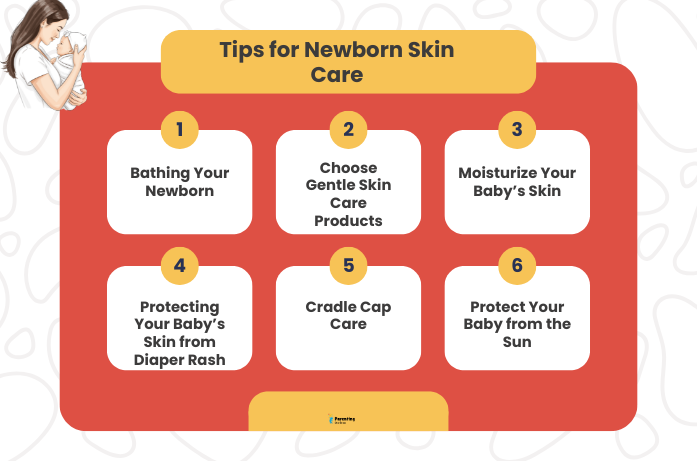
Tips for Newborn Skin Care
Here are some simple yet newborn skin care tips and practices that can help keep your newborn’s delicate skin soft, healthy, and free from irritation. By following these gentle care steps, you can ensure your baby stays comfortable and well cared for every day.
1. Bathing Your Newborn
Bathing your newborn is a gentle, comforting moment that helps you bond with your baby, just keep it soft, safe, and simple to protect their delicate skin.
- Sponge Baths: In the early days, gently clean your baby with a soft cloth and warm water, especially until the umbilical cord stump falls off. There’s no need to put your baby in a tub yet.
- Baby Bathtub: Once the stump has healed, you can move to a small baby bathtub. Make sure the water feels comfortably warm, not hot, and always check it with your wrist or elbow first.
- How Often: Your baby doesn’t need a bath every day. Two to three baths a week are enough, just gently clean areas like the diaper area and neck folds in between.
2. Choose Gentle Skin Care Products
When choosing baby skincare products for your newborn, keeping it simple works best. Use products made especially for babies that are gentle, hypoallergenic, and free from harsh chemicals or added fragrances.
- Fragrance-Free and Hypoallergenic: Choose fragrance-free baby soaps, shampoos, and lotions to gently protect your baby’s sensitive skin.
- Mild and Tear-Free: Use a mild, tear-free baby shampoo to keep your baby’s eyes comfortable during hair washing.
- Natural Ingredients: Look for products with soothing natural ingredients like aloe vera, calendula, or chamomile to help calm and moisturize the skin.
Parenting experts also advise reading labels carefully and avoiding unnecessary additives when selecting newborn products, as shared in this Times of India parenting guide on choosing gentle newborn products.
3. Moisturize Your Baby’s Skin
Newborns may have dry skin, especially in the first few weeks, so keeping their skin well-hydrated is a key part of a healthy newborn skin care tips. After each bath, gently apply a fragrance-free moisturizer to lock in moisture and prevent dryness.
- Apply Lotion After Bathing: Gently pat your baby’s skin dry with a soft towel, then apply a light layer of baby lotion for newborns or cream to keep the skin moisturized.
- Use Gentle Oils: If your baby’s skin feels extra dry, you can use a small amount of baby-friendly oil, such as coconut or olive oil, for added hydration.
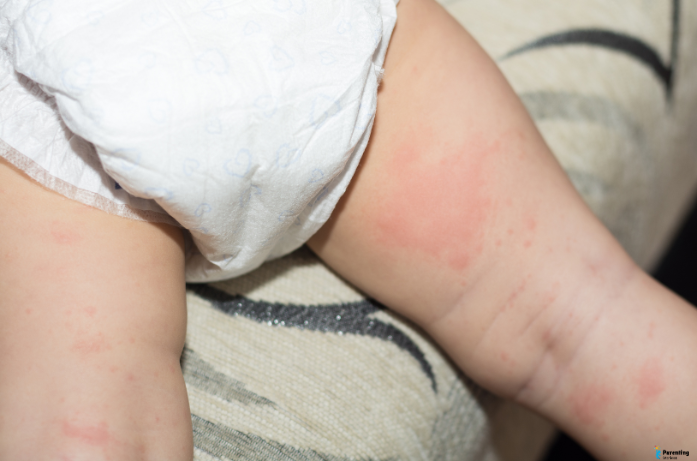
4. Protecting Your Baby’s Skin from Diaper Rash
Diaper rash is common in newborns and can cause discomfort, but with gentle care and timely steps, it can be easily diaper rash prevention and treated.
- Change Diapers Often: Change your baby’s diaper every 2–3 hours, or whenever it’s wet or dirty, to keep moisture from irritating the skin.
- Clean Gently: Use warm water and a soft cloth or alcohol-free wipes, and gently pat the area clean, avoid rubbing.
- Use Diaper Rash Cream: If a rash appears, apply a gentle zinc-oxide diaper rash cream after each diaper change to protect and soothe the skin.
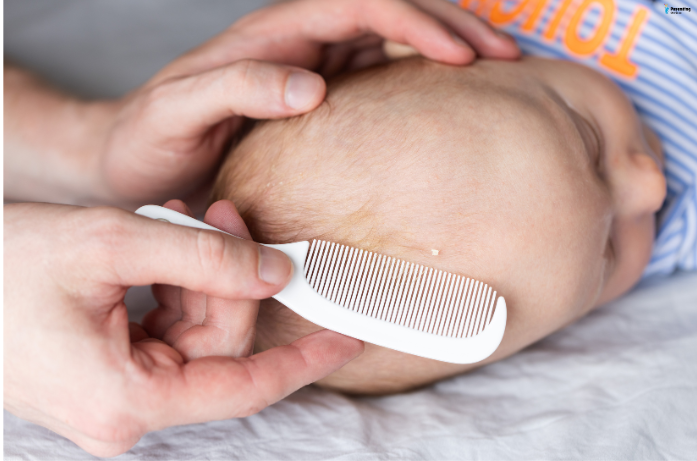
5. Cradle Cap Care
Cradle cap is a common and harmless condition that causes flaky patches on a baby’s scalp. While it may look worrying, it’s easy to manage with gentle care.
- Gentle Shampooing: Wash your baby’s scalp with a mild, tear-free shampoo and gently massage to loosen flakes.
- Use a Little Oil: Applying a small amount of coconut oil or baby oil can help soften flakes before washing, rinse well afterward.
- Avoid Scratching: Don’t pick or scrub the flakes, as this can irritate your baby’s skin.
6. Protect Your Baby from the Sun
Newborns have very sensitive skin, and even a little sun exposure can cause irritation or sunburn. Protect your baby by taking a few simple precautions.
- Avoid Direct Sun Exposure: For the first few months, keep your baby out of direct sunlight, especially during peak hours (10 a.m. to 4 p.m.).
- Dress Your Baby in Protective Clothing: When outside, dress your baby in lightweight, long-sleeved clothing, and use a wide-brimmed hat to protect their face and neck from the sun.
- Use Sunscreen Sparingly: If you need to use sunscreen, apply a baby-safe, mineral-based sunscreen to exposed areas. However, try to limit sunscreen use on babies under six months old and opt for shade whenever possible.
Common Skin Conditions in Newborns
Although newborn skin is sensitive and may develop a few common skin concerns, most of them are temporary and clear up on their own with time.
- Milia: Small white bumps that may appear on your baby’s nose or face. These are harmless and usually fade away on their own within a few weeks.
- Baby Acne: Tiny red bumps or pimples that commonly show up on the face. Baby acne is temporary and often clears without any treatment.
- Eczema: Dry, itchy patches that can develop on different parts of your baby’s body. This can usually be managed with gentle moisturizers and by avoiding harsh soaps or irritants.
If any skin condition seems severe, worsens, or doesn’t improve over time, it’s always best to consult your pediatrician for proper guidance.
Frequently Asked Questions (FAQs)
1. How often should I bathe my newborn?
Newborns do not need daily baths. Bathing 2–3 times a week is enough during the first few months. Overbathing can dry out delicate newborn skin, so gentle and limited bathing is best.
2. What products are safe for newborn skin care?
Always use fragrance-free, hypoallergenic, and baby-safe products. Choose mild baby soaps, shampoos, and moisturizers that are free from harsh chemicals, alcohol, and artificial fragrances to protect sensitive newborn skin.
3. Is dry or peeling skin normal in newborns?
Yes, dry or peeling skin is very common in newborns, especially in the first few weeks after birth. This happens as the baby’s skin adjusts to the outside environment and usually improves with gentle moisturizing.
4. How can I prevent diaper rash in my newborn?
To prevent diaper rash, change diapers frequently, clean the area gently with warm water, and let the skin dry before putting on a new diaper. Applying a zinc oxide diaper rash cream can also help protect your baby’s skin.
5. Can I use oils on my newborn’s skin?
Yes, baby-safe oils like coconut oil or olive oil can be used in small amounts if your newborn’s skin feels dry. Always do a patch test first and avoid heavily scented oils.
6. Is it safe to take a newborn out in the sun?
Newborn skin is extremely sensitive, so it’s best to avoid direct sunlight, especially during peak hours. Use shade, protective clothing, and hats instead of sunscreen for babies under six months whenever possible.
7. When should I worry about a newborn skin condition?
Most newborn skin conditions like milia or baby acne clear on their own. However, if you notice persistent redness, oozing, severe itching, or worsening rashes, consult your pediatrician for proper guidance.
Final Thoughts
Caring for your newborn’s delicate skin doesn’t have to be complicated, but it does require gentleness and attention. By following a simple, gentle newborn skin care tips and using baby-safe products, you can help keep your baby’s skin healthy, hydrated, and free from irritation.
At Parenting Stories, we’re here to support you with practical advice and guidance as you navigate the joys and challenges of parenting. From skin care to feeding and beyond, we’ve got you covered.
Disclaimer
This article is for informational purposes only. If you notice persistent or unusual skin issues with your newborn, consult your pediatrician for personalized advice and treatment.