
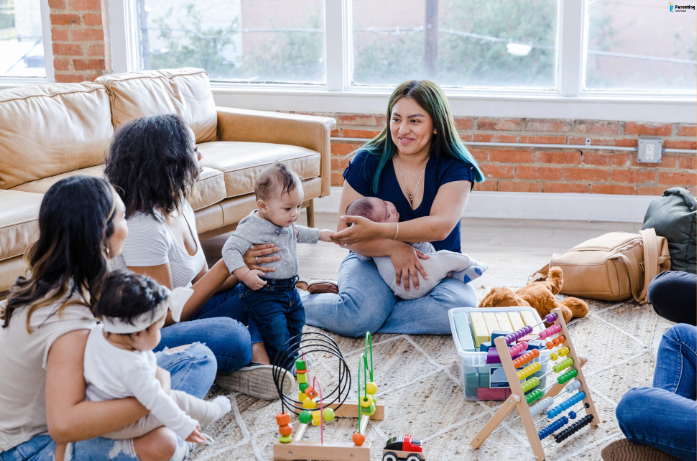
Parenting support groups offer new parents a much-needed space for comfort, understanding, and connection. When the challenges of sleepless nights, postpartum changes, and everyday parenting doubts begin to feel overwhelming, these groups provide reassurance that what you’re experiencing is normal. Parents can share their stories, ask questions freely, and receive practical guidance without fear of judgment.
From emotional support to real-life advice, parenting support groups help parents feel less alone and more confident as they navigate each stage of their parenting journey. Being surrounded by others who truly understand can reduce stress, build confidence, and turn parenting into a more supported and positive experience.
1. You Realize You’re Not Alone
One of the greatest benefits of parenting support group is realizing that your challenges are completely normal and shared by many others. Feeding issues? Sleep regressions? Feeling emotional for no reason? You’ll quickly find parents nodding along, saying, Yes, that happened to us too. That simple me too builds connection, reduces stress, and reminds you that parenting isn’t about perfection, it’s about learning, growing, and doing your best every day.
Parenting Tip: Many hospitals, birthing centers, and pediatric clinics offer free or low-cost postpartum support groups for newborn and infant care. Joining one can be the first step toward finding your tribe, people who get it.
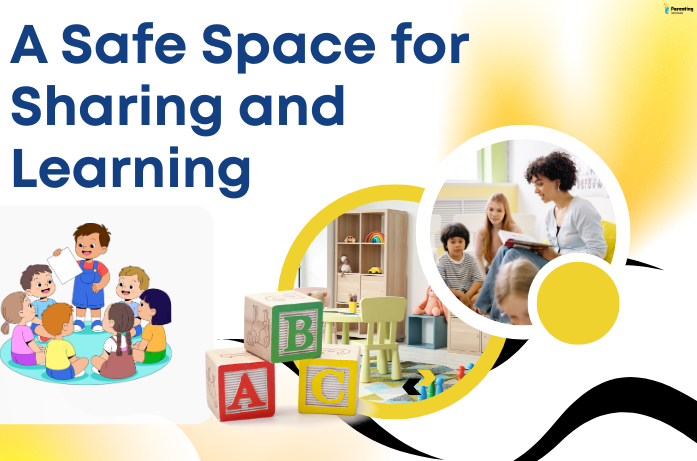
2. A Safe Space for Sharing and Learning
Parenthood brings a million questions, big and small, and it’s completely normal to feel unsure at times. From newborn care and breastfeeding challenges to toddler behavior and sleep routines, every parent seeks guidance and reassurance while learning to navigate this beautiful, ever-changing journey.
- Why won’t my baby sleep?
- Is this much crying normal?
- When should I start solids?
In a parenting group, you can ask all these questions freely, without fear of judgment or criticism. It’s a space built on empathy, not perfection.
You’ll get advice not just from experts, but from parents who are walking the same path, sharing tips that have actually worked in real life. Sometimes, that kind of wisdom feels more comforting than anything you could find in a book.
3. Emotional Support for New Parents
Those first few months can feel like an emotional rollercoaster filled with highs and lows. You might go from joy to exhaustion to tears, all in one day. Joining a parenting support group provides emotional validation, a safe space to share feelings, connect with others, and learn coping strategies for stress, sleep deprivation, and postpartum changes.
Did You Know?
Research shows that consistent peer support can reduce postpartum depression and anxiety, especially among new mothers. But it’s not just moms who benefit, dads and caregivers find comfort in connection, too.

4. Building Friendships That Last
One of the most beautiful parts of joining a parenting support group is the meaningful friendships that form along the way. You might start by sharing baby updates or asking for advice, and soon, you’re swapping parenting hacks, meeting for coffee, planning playdates, or celebrating milestones together. These connections often grow beyond the baby years, becoming your trusted parenting village. Having supportive friends who truly understand your journey can reduce loneliness, boost confidence, and make parenthood feel a little lighter and a lot more joyful.
Pro Tip: Look for groups that fit your needs, like First-Time Moms, Dads Connect, Breastfeeding Circles, or Working Parents Support. Finding your people makes all the difference.
5. Expert Guidance and Reliable Information
Many parenting support groups invite trusted professionals, pediatricians, lactation consultants, nutritionists, and child psychologists, to answer common parenting questions and offer evidence-based guidance. This allows parents to access accurate, science-backed information in a warm, supportive environment. No more endless Googling or confusion over conflicting advice online. These sessions help parents understand child development stages, feeding patterns, sleep routines, and behavioral cues better. Reliable guidance builds confidence and empowers parents to make informed, healthy choices for their baby’s overall growth and well-being.
6. Helps Strengthen Your Parenting Confidence
Parenting often feels like trial and error, because it truly is. Every child is different, and every family’s rhythm is unique. When you see others facing similar challenges and finding their way, you realize you can, too. That’s the beauty of parenting support groups, they nurture your confidence, offer perspective, and remind you that there’s no perfect parent. These groups create a safe, judgment-free space where parents can share real experiences, exchange tips on sleep, feeding, discipline, and emotional well-being, and learn from experts and each other. Whether it’s an online parenting forum or an in-person community circle, connecting with others helps reduce stress and feelings of isolation. Over time, you start trusting your instincts, letting go of comparison, and embracing parenthood as a growing, evolving journey. What matters most is finding what works best for your family, and knowing you’re not alone in figuring it out.
7. Support for Both Moms and Dads
Parenting groups aren’t just for moms. Fathers also experience major emotional and mental shifts after a baby arrives, from sleepless nights to managing work, family, and self-care. Dad-focused support groups create a space where men can talk openly about real challenges, like bonding with their baby, navigating changing relationships, or overcoming the pressure to stay strong. These conversations help fathers feel seen, heard, and more confident in their parenting role.
For moms, connecting with other mothers offers empathy, reassurance, and expert-backed guidance on breastfeeding, postpartum recovery, and emotional health. When both parents feel supported, communication improves and stress levels drop, creating a calmer, more connected home environment.
Tip: Try attending a few sessions together, whether in-person or online. Shared learning strengthens teamwork, improves understanding between partners, and lays a solid foundation for co-parenting success in the early years.
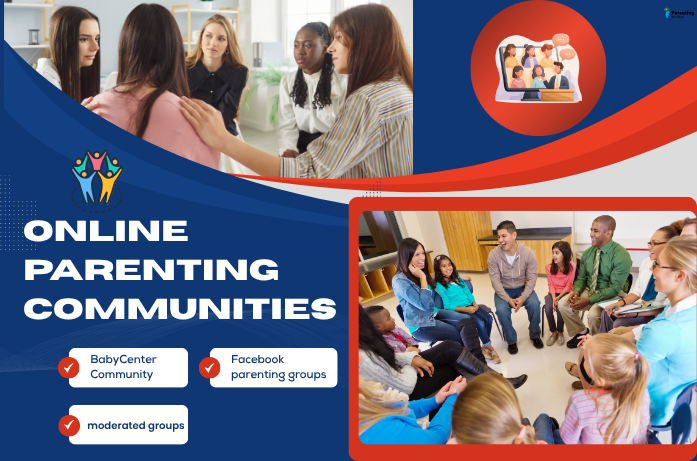
8. Online Parenting Communities: Support at Your Fingertips
Can’t attend in-person groups? Online parenting communities can be just as valuable, especially for those middle-of-the-night questions or long-distance parents. Apps and platforms like Peanut, BabyCenter Community, or Facebook parenting groups instantly connect you with parents worldwide who understand what you’re going through. You can find advice on baby sleep, breastfeeding, toddler behavior, emotional wellness, and even self-care tips for parents.
Just be careful about where you get advice. Choose verified, moderated groups where professionals occasionally contribute, this ensures you get accurate, evidence-based guidance while building genuine connections and support that fit your parenting journey.
9. How to Find the Right Parenting Support Groups
Not all groups feel the same, and that’s okay. The right one feels welcoming, respectful, and aligned with your needs. Look for parenting support groups that encourage open sharing, expert guidance, and emotional safety, helping you grow confidently through every stage of parenthood.
When looking for a group, consider:
• Your baby’s age or stage (newborn, infant, toddler)
• The focus, feeding, sleep, mental health, or general parenting
• Group size, smaller groups often feel more intimate, while larger ones offer variety
• The facilitator’s background, professional guidance helps keep things safe and accurate
You can find local or virtual groups through:
• Hospitals or birthing centers
• Pediatrician offices
• Community centers
• Online platforms and social media
Start with one. Stay if it feels supportive. It’s okay to keep searching until you find your people.
10. Remember: Asking for Help Is Strength, Not Weakness
There’s this myth that good parents handle everything alone. But that’s just not true.
Real strength is knowing when to reach out, when to ask questions, and when to say, I need help.
Parenting support groups exist for that reason, to remind you that this journey isn’t a test to pass; it’s a community to grow with.
You don’t have to do it all by yourself. You were never meant to.
FAQs
Q1. What exactly happens in a parenting support group?
Parenting groups usually include open discussions, experience sharing, expert Q&As, and emotional check-ins. You’ll meet other parents going through similar stages and challenges, from newborn care to toddler tantrums.
Q2. Are online parenting groups as effective as in-person ones?
Yes, especially if you choose trusted, moderated communities. Online groups offer flexibility, quick advice, and emotional support anytime, even during midnight feeds.
Q3. I’m shy, what if I don’t want to talk much at first?
That’s completely okay. Many parents just listen initially and join in when they’re ready. Even being part of the conversation helps you feel connected and less alone.
Q4. Can dads join parenting support groups too?
Absolutely! Dads benefit just as much. Many groups are now designed to include fathers, helping them bond with their babies and support their partners.
Q5. What should I look for in a good parenting support group?
Choose one that feels warm, non-judgmental, and balanced between emotional sharing and expert advice. A safe space is the most important thing.
Final Thoughts: Connection Builds Confidence
Parenthood is one of the most rewarding, yet demanding, experiences in life. Some days you’ll feel on top of the world, other days, you’ll just hope for a nap and a quiet moment.
That’s where connection helps.
A parenting support group gives you what every parent truly needs, understanding, reassurance, and a sense of belonging.
So, reach out. Join a group. Share your story. You’ll discover that in helping each other, we become calmer, stronger, and happier parents.
Because at the end of the day, we’re all learning, together.
Parenting isn’t meant to be done alone, it’s meant to be shared.
Join supportive communities and discover stories that remind you: you’re doing better than you think.
Visit Parenting Stories for more real stories, expert-backed guides, and gentle parenting inspiration, written with parents, for parents.
Disclaimer
This article is for informational and educational purposes only and is not a substitute for professional medical, psychological, or parenting advice. Always consult your pediatrician, counselor, or a qualified parenting expert for personalized guidance or emotional support.