
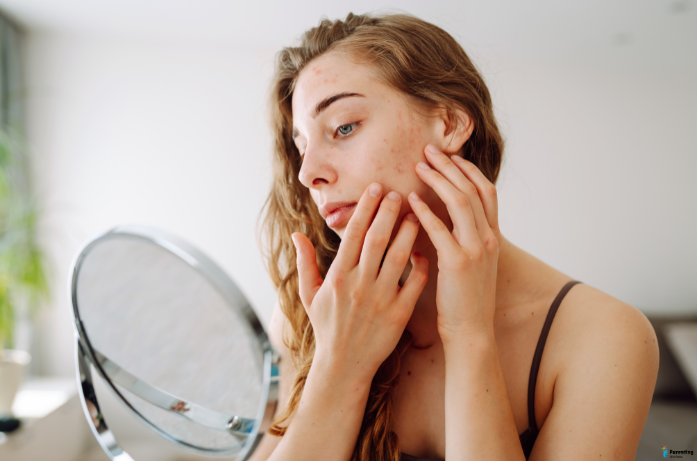
Becoming a mom is a beautiful journey, but let’s be honest, your skin goes through its own transformation after childbirth. Postpartum skin changes sleepless nights, hormonal changes, and irregular feeding schedules, your skin might feel dull, dry, or just not like you. And that’s completely normal. Your body has done something truly amazing, and it deserves gentle care.
Postpartum skin care doesn’t need a long, complicated routine or expensive products. The key is simplicity and consistency. Start with a gentle cleanser to remove impurities without stripping moisture. Follow with a lightweight, nourishing moisturizer to keep your skin hydrated and soft. Sunscreen is essential, even indoors, as hormonal changes can make your skin more sensitive to sunlight. Drinking plenty of water, eating nutrient-rich foods, and getting as much rest as possible also support healthy skin from within.
Simple additions like a hydrating face mask or calming serums can boost your glow on days you have a little extra time. Remember, small, consistent steps can help you feel refreshed, confident, and cared for, even on the busiest days.
Here’s a simple, realistic guide for new moms who want healthy skin without stress.
1. Keep It Gentle, Your Skin Is Sensitive Right Now
After delivery, your skin becomes extra sensitive. Hormonal changes, lack of sleep, and constant feeding schedules can make your skin dry, itchy, or uncomfortable. It’s important to use gentle, fragrance-free, and hydrating products. Always opt for a soft towel or cotton pad, and avoid harsh scrubs or strong chemicals. Consistent, gentle care helps your skin stay nourished, calm, and naturally radiant, even during the busy postpartum days.
Choosing Gentle Products for Postpartum Skin:
Fragrance-free
Gentle and hydrating
Suitable for sensitive skin
A mild face cleanser and a soft towel are enough. No harsh scrubs, no heavy chemicals.
2. Hydration Is Your Best Friend
Lack of sleep and hormonal shifts can make your skin dry, flaky, and dull during the postpartum phase. Dehydration is very common after delivery, which reduces your skin’s natural moisture barrier. To maintain healthy skin, drink enough water throughout the day, include hydrating foods like fruits, coconut water, and clear soups, and apply a light moisturizer twice daily. Proper hydration helps improve elasticity, reduces dryness, and gives your skin a soft, natural glow.
The CDC highlights that postpartum women should stay well-hydrated to support healing, milk production, and overall health.
Try to:
- Drink plenty of water
- Add hydrating foods (coconut water, fruits, soups)
- Use a light moisturizer twice a day
Hydrated skin naturally looks brighter and healthier.
3. Sleep When You Can, It Shows on Your Skin
You’ve heard it before, but it’s true: sleep truly heals your skin. After delivery, your body is tired and your skin needs time to repair itself. Quality rest boosts blood circulation, supports skin cell renewal, and naturally reduces dark circles, puffiness, and dullness. Even short naps of 20–30 minutes can refresh your skin and improve its natural glow. Don’t feel guilty about resting, it’s an essential part of postpartum recovery and overall skin health.
Even short naps help reduce:
- Dark circles
- Puffiness
- Dullness
Don’t feel guilty about resting, it’s part of healing.
4. Nourish From the Inside
What you eat has a direct impact on your skin’s health, especially in the postpartum phase. A nutrient-rich diet helps repair damaged skin cells, balances hormones, and supports natural glow. Include fresh fruits, green leafy vegetables, protein-rich foods, and healthy fats to boost collagen and keep your skin hydrated. These nutrients also support breastfeeding moms by improving energy levels. Eating wholesome, balanced meals every day is one of the easiest ways to keep your skin healthy from within.
Focus on:
- Fresh fruits
- Green leafy veggies
- Healthy fats (nuts, ghee, avocados)
- Protein (milk, eggs, dal, chicken)
These support skin repair and glow, especially while breastfeeding.
5. Treat Pigmentation & Melasma Gently
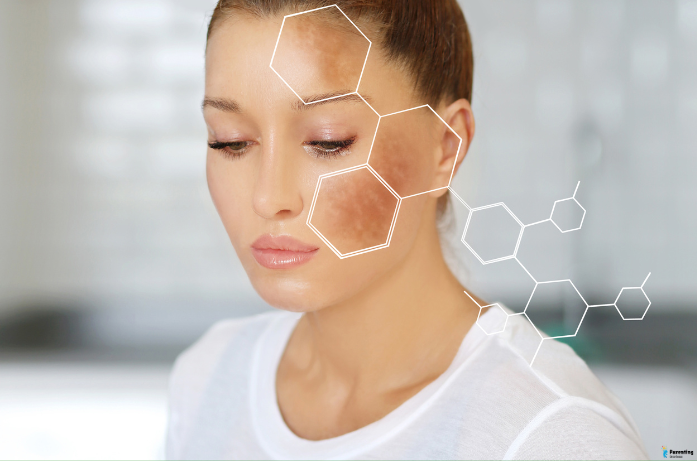
Postpartum pigmentation or postpartum melasma,especially around the cheeks, forehead, or upper lip, is very common after delivery. Hormonal changes, sun exposure, and lack of sleep can make these dark patches more noticeable. The good news is that most pigmentation fades naturally over time, but the postpartum skin care can speed up the process. According to the Cleveland Clinic, conditions like melasma are strongly influenced by hormones and sunlight, which explains why postpartum pigmentation often appears. Applying sunscreen daily, using gentle vitamin C or aloe-vera-based products, and keeping your skin hydrated can help even out your skin tone gradually. Consistent, gentle care makes a visible difference.Tips:
- Always apply sunscreen, even indoors
- Use aloe vera gel or vitamin-C based products
- Be patient, most pigmentation fades on its own
Avoid strong treatments until your doctor says it’s safe, especially if breastfeeding.
6. Oil Massage for Relaxation & Glow
A warm oil massage is not just soothing, it also boosts blood circulation and supports overall skin health, especially in the postpartum period. Gentle massage with coconut, almond, or olive oil helps nourish dry skin, reduce stiffness, and improve skin elasticity. The warmth of the oil relaxes tired muscles and promotes better lymphatic flow, which can reduce puffiness and enhance your natural glow. Even a short 5–10 minute massage each day can make your skin feel refreshed and rejuvenated.
Try:
- Coconut oil
- Almond oil
- Olive oil
Even 5 minutes helps relax your body and freshen your skin.
7. Simple Body Care Counts Too
Your body needs just as much attention as your face, especially after delivery when the skin can become dry and sensitive. Hormonal changes and frequent bathing can strip away your skin’s natural moisture barrier. Using a gentle body wash, applying moisturizer immediately after a bath, and choosing breathable cotton clothing can make a big difference. These simple habits help prevent dryness, itchiness, and irritation, keeping your body skin soft, comfortable, and healthy during the postpartum phase.
- Use a gentle body wash
- Apply moisturizer after every bath
- Wear breathable cotton clothes
These small steps prevent dryness and itchiness.
8. Avoid Overdoing SkinCare
As a new mom, your skin needs kindness, not a long 10-step routine. During the postpartum phase, your skin becomes more delicate due to hormonal changes, lack of sleep, and stress. Using too many products or switching routines frequently can irritate your skin and worsen dryness or pigmentation. A simple routine with a gentle cleanser, moisturizer, and sunscreen is more effective and safer. Keeping skincare minimal, consistent, and soothing helps your skin stay healthy and balanced.
Avoid:
Harsh exfoliators
Chemical peels
Strong retinols
Frequent new products
Keep it simple and consistent.
9. Be Gentle With Yourself
Postpartum skin changes take time to settle, and every mom experiences them differently. Whether it’s hair fall, breakouts, pigmentation, or dryness, these shifts are completely normal as your body adjusts after childbirth. Hormonal fluctuations, stress, and lack of sleep all play a role. With consistent rest, a nutrient-rich diet, and a simple skincare routine, your skin will gradually regain its balance. Remember, healing is a slow process, and you’re not alone, every mother goes through this phase.
FAQs: Postpartum Skin Care
1. When do postpartum skin changes go away?
Most postpartum skin issues like dryness, breakouts, or pigmentation improve within a few weeks to a few months. For some moms, it may take longer depending on hormones, breastfeeding, stress, and sleep.
2. Is it safe to use skincare products while breastfeeding?
Yes, most gentle, over-the-counter products are safe. Avoid strong actives like retinoids, chemical peels, or treatments unless your doctor approves.
3. Can I use home remedies for postpartum skin issues?
Simple, gentle remedies like aloe vera gel, honey masks, or cold compresses can help, but avoid anything harsh, overly fragrant, or irritating.
4. Why am I getting breakouts after delivery?
Hormonal shifts and lack of sleep can lead to acne flare-ups. Keeping your skin clean, hydrated, and using mild products can help calm breakouts.
5. What helps with postpartum pigmentation and melasma?
Daily sunscreen, gentle vitamin-C serums, aloe vera, and consistent hydration help lighten pigmentation over time. Avoid aggressive treatments until your doctor says they’re safe.
6. Can dehydration cause dull skin after childbirth?
Yes! New moms often get dehydrated due to breastfeeding and irregular routines. Drinking enough water and eating hydrating foods can significantly improve skin texture.
7. Should I follow a long skincare routine?
No need. A simple 3-step routine, cleanser + moisturizer + sunscreen, is more than enough for postpartum skin.
8. Is postpartum hair fall related to skin changes?
Yes, both are caused by hormonal shifts. Hair fall is temporary and improves naturally by 6–12 months postpartum.
Final Thoughts : Care for Yourself Like You Care for Your Baby
Postpartum skincare isn’t about perfection, it’s about feeling good in your skin while adjusting to a new chapter of life.
A few gentle habits, a little self-love, and realistic routines can help you feel fresh and confident during motherhood.
Your body has done something incredible, it deserves care, patience, and kindness.
Want more simple, real, and mom-friendly guides like this?
Visit our Motherhood & Baby Care section on ParentingStories for comforting tips written just for new moms, practical, gentle, and easy to follow.
You deserve care too, mama, and we’re here to support you every step of the way.
Disclaimer
This article is for general parenting guidance only. Postpartum skin changes vary from mom to mom. Always choose products that suit your skin type and avoid strong treatments unless your doctor approves, especially if you are breastfeeding. If you experience severe rashes, reactions, or persistent skin concerns, consult a dermatologist or healthcare professional for personalized advice.