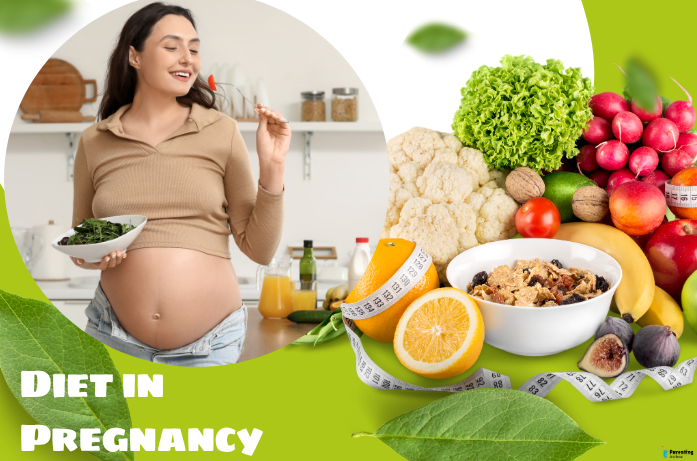
Pregnancy nutrition is a beautiful mix of excitement, love, and new responsibilities. Your body is quietly working day and night, caring for you and creating a tiny life inside you. And one of the simplest, most comforting ways to support this journey is through mindful eating. A well-balanced pregnancy diet isn’t just about choosing healthy foods; it’s about understanding what your body needs at each stage of pregnancy and giving yourself the time to enjoy every bite.
You don’t need fancy superfoods or complicated diet charts. Just simple, wholesome meals, prepared with care and eaten with awareness, can give your baby everything they need to grow strong and healthy. Including essential nutrients like folate, iron, calcium, omega-3 fatty acids, and protein in your daily meals can support your baby’s brain development, bone strength, and overall growth. Staying hydrated, eating on time, and choosing fresh, minimally processed foods can also help manage common pregnancy discomforts like fatigue, acidity, and nausea.
With small, consistent choices, you can nourish both your hearts with ease, joy, and confidence.
Here’s a gentle, practical guide to help you understand what to eat during pregnancy and how to nourish both your hearts with ease and joy.
1. Fill Your Plate with Colorful, Whole Foods
During pregnancy, think of your meals as little gifts of nourishment. A colorful plate gives your body essential vitamins, minerals, fiber, and steady energy to support your changing needs. Different colors in foods represent different nutrients, like antioxidants from berries, iron from leafy greens, and vitamin A from orange vegetables. Including a mix of fruits, vegetables, whole grains, proteins, and healthy fats not only boosts your immunity but also supports your baby’s organ and brain development.
Try adding more:
- Fresh fruits : bananas, apples, oranges, berries
- Vegetables : spinach, carrots, broccoli, beetroot
- Whole grains : oats, brown rice, whole-wheat roti
- Lean proteins : eggs, dals, lentils, chicken, beans
- Healthy fats : nuts, seeds, olive oil, avocado
Every bite helps your baby’s tiny organs, bones, and muscles grow beautifully.
2. Make Protein a Daily Priority in Your Pregnancy Diet
Protein is your baby’s building block, it supports growth, brain development, and maternal strength. During pregnancy, your body needs extra protein to form your baby’s muscles, tissues, and healthy cells. Adequate protein in pregnancy intake also helps maintain stable blood sugar levels, reduces fatigue, and supports your immune system. The American College of Obstetricians and Gynecologists (ACOG) emphasizes that a balanced, protein-rich diet supports tissue growth, hormone balance, and your baby’s brain and organ development throughout pregnancy. Including a variety of protein sources throughout the day ensures steady nourishment, promotes healthy weight gain, and keeps both you and your baby strong and energized.
Good protein options:
- Eggs
- Paneer
- Milk and curd
- Lentils and dals
- Chickpeas, kidney beans
- Lean chicken
- Low-mercury fish (if advised by your doctor)
Aim for a protein-rich food source at every meal. It helps you feel full, energized, and strong throughout the day.
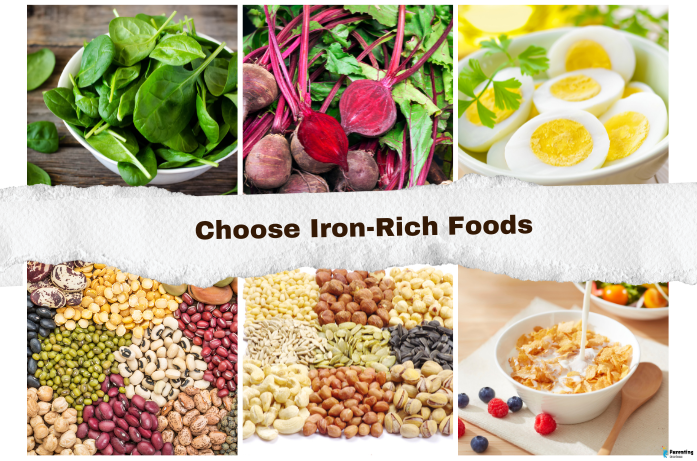
3. Choose Iron-Rich Foods for Strength and Energy
During pregnancy, your body needs more iron to prevent anemia and support your baby’s brain development. Iron helps your body produce extra blood, which carries oxygen to both you and your growing baby. Low iron levels can lead to fatigue, weakness, and low hemoglobin, making it harder for your body to cope with pregnancy diet . Including iron-rich foods daily helps maintain your energy levels, supports healthy fetal growth, and keeps your immune system strong throughout pregnancy.
Iron-rich foods:
- Spinach
- Beetroot
- Eggs
- Lentils
- Nuts and seeds
- Fortified cereals
Pro Tip:
Combine iron foods with vitamin C (like lemon, oranges, or amla) to boost absorption.
4. Include Calcium for Strong Bones
Your baby needs calcium to form healthy bones and teeth, and your body needs it too. During pregnancy, calcium supports your baby’s skeletal development while also protecting your own bone density. It plays a key role in muscle function, nerve signaling, and maintaining a steady heartbeat. If your diet lacks enough calcium, your body starts using its own stores, which may weaken your bones over time. Including calcium-rich foods daily helps maintain strength, balance electrolytes, and support overall pregnancy health.
Calcium-rich foods:
- Milk
- Yogurt
- Cheese
- Ragi
- Almonds
- Sesame seeds
- Broccoli
If dairy doesn’t suit you, ask your doctor for safe alternatives or supplements.
5. Folic Acid, The Pregnancy Essential
Folic acid is one of the most important nutrients during early pregnancy. It supports your baby’s brain and spine development by helping form the neural tube in the first few weeks. Adequate folic acid intake also reduces the risk of birth defects and supports healthy cell growth throughout pregnancy. Since it’s hard to meet the required levels through food alone, doctors often recommend daily folic acid supplements to ensure your baby gets consistent protection and nourishment.
Folate-rich foods:
- Green leafy vegetables
- Beans and peas
- Citrus fruits like oranges
- Nuts and seeds
Most doctors prescribe folic acid tablets, make sure not to miss them.
According to the Centers for Disease Control and Prevention (CDC), women should start taking folic acid before conception and continue during early pregnancy to prevent major birth defects of the brain and spine.
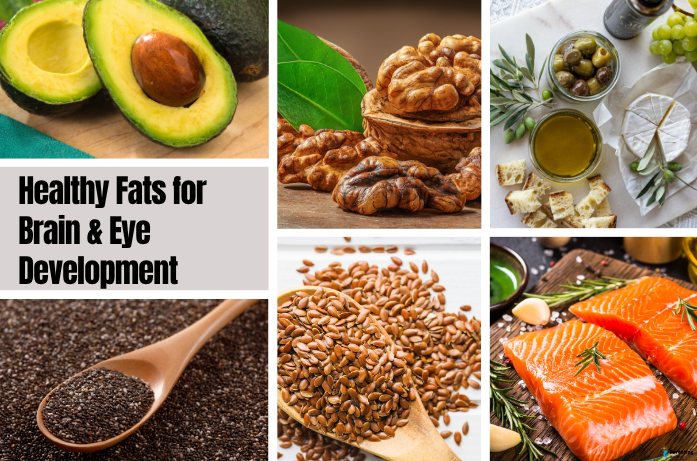
6. Healthy Fats for Brain & Eye Development
Good fats support your baby’s brain, nerves, and vision, making them an essential part of a healthy pregnancy diet. Omega-3 fatty acids, in particular, help build your baby’s brain structure and support long-term cognitive and learning abilities. These healthy fats also stabilize your hormones, improve mood, and keep your energy levels steady throughout the day. Including small portions of healthy fats daily ensures better nourishment for both you and your growing baby.
Healthy fat sources:
- Avocado
- Walnuts
- Olive oil
- Chia seeds
- Flaxseeds
- Fatty fish (if approved by your doctor)
Try to limit deep-fried foods, packaged snacks, and trans fats.
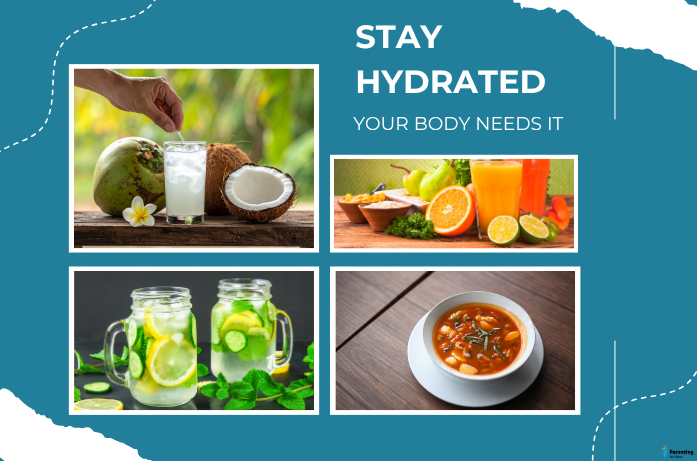
7. Stay Hydrated, Your Body Needs It
Pregnancy increases your body’s fluid needs, as your body is working harder to support both you and your growing baby. Staying hydrated improves digestion, reduces swelling, and helps prevent headaches caused by dehydration. Adequate fluids also support healthy blood circulation, which ensures proper nutrient delivery to your baby. Drinking enough water can ease constipation, regulate body temperature, and reduce the risk of urinary infections. Consistent hydration throughout the day keeps you comfortable, energized, and well-supported during pregnancy.
Aim for 8–10 glasses of water every day.
You can also include:
- Coconut water
- Fresh juices
- Lemon water
- Homemade soups
Small sips throughout the day help you stay comfortable.
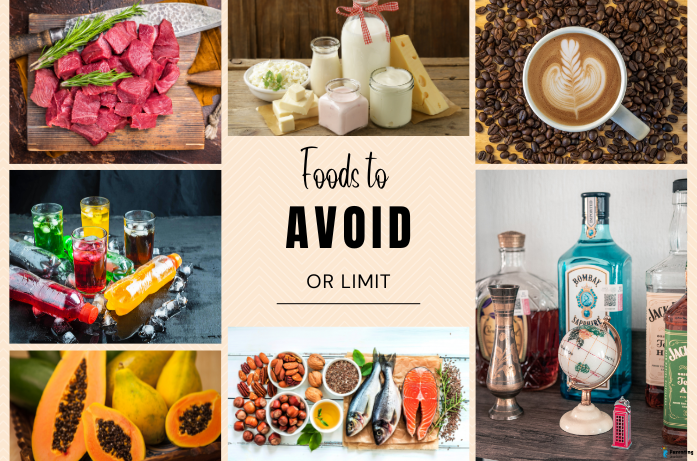
8. Foods to Avoid or Limit
Some foods may pose risks during pregnancy, so it’s important to be mindful of what you eat. Raw or undercooked items can carry harmful bacteria, while unpasteurized dairy may increase the risk of foodborne infections. High caffeine intake can affect sleep and hormonal balance, and high-mercury fish may interfere with your baby’s nerve and brain development. Being aware of these risks and choosing safer alternatives helps support a healthy, smooth, and worry-free pregnancy journey.
Avoid or limit:
- Raw or undercooked eggs/meat
- Unpasteurized milk or cheese
- Excess caffeine
- Packaged sugary drinks
- Raw papaya
- High-mercury fish
- Alcohol
If you’re unsure about a food item, always check with your doctor.
The Office on Women’s Health (U.S. Department of Health & Human Services) advises pregnant women to avoid high-mercury fish, unpasteurized dairy, and undercooked meats to reduce infection risk and support a healthy pregnancy.
9. Small, Frequent Meals Work Best
Pregnancy brings many tummy changes such as nausea, acidity, bloating, or sudden hunger. Eating small, balanced meals every 2–3 hours helps keep your energy stable and supports smoother digestion. These mini-meals also maintain healthy blood sugar levels, reducing dizziness and fatigue. Adding fibre-rich snacks, healthy fats, and protein keeps you full for longer without feeling heavy. This simple habit helps you stay active, comfortable, and well-nourished throughout your pregnancy.
Easy snack ideas:
- Fruit bowls
- Curd
- Nuts and seeds
- Homemade smoothies
- Wholegrain crackers
This helps you stay active, comfortable, and nourished without feeling too full.
10. Listen to Your Body, It Knows What You Need
Every pregnancy is different. Some days you may feel hungry all the time, while on other days even your favorite foods might not appeal to you, and that’s completely normal. These shifts happen due to hormonal changes and your baby’s growing nutritional needs. Paying attention to your body’s signals helps you eat the right amount at the right time, keeping your energy stable and discomfort low. Choosing light, balanced meals instead of heavy portions can support better digestion and overall comfort.
Trust your instincts
Eat slowly
Rest when needed
Don’t stress over perfect eating
Your body is already doing something extraordinary, be gentle with yourself.
(FAQs)
1. What is the best diet for a healthy pregnancy?
A balanced diet for pregnant women with fruits, vegetables, whole grains, protein, calcium, healthy fats, and plenty of water is ideal. Eating fresh, homemade meals supports your baby’s growth and keeps you energized.
2. How much protein should I eat during pregnancy?
Most expecting mothers need extra protein daily to support fetal growth. Include eggs, dairy, dals, beans, or lean meat in every meal. Your doctor can guide your exact requirement.
3. Is it safe to drink tea or coffee while pregnant?
Yes, but in moderation. Limit caffeine to around 1 small cup a day unless your doctor advises otherwise.
4. What foods should I avoid during pregnancy?
Raw or undercooked meats, unpasteurized dairy, high-mercury fish, excess caffeine, alcohol, and raw papaya should be avoided for safety.
5. How can I manage nausea and acidity through diet?
Eat small, frequent meals, stay hydrated, avoid oily foods, and include soothing options like bananas, curd, coconut water, and bland snacks.
6. Are supplements necessary during pregnancy?
Folic acid, iron, calcium, and omega-3 supplements are commonly recommended, but always take only what your doctor prescribes.
Final Thoughts: A Nourished Mama = A Happy, Healthy Baby
Healthy eating during pregnancy isn’t about strict rules, it’s about making mindful choices and caring for yourself with love. When you nourish your body with wholesome foods, you’re also nourishing your growing baby.
When you rest, your baby rests.
When you feel calm, your baby feels safe.
If you found this pregnancy nutrition guide helpful, explore more gentle, expert-backed pregnancy and parenting advice at Parenting Stories. Your journey matters, and we’re here to support you with warmth, clarity, and confidence every step of the way.
Read more guides, nutrition tips, and real-mom stories at ParentingStories.
Disclaimer
This article is for informational and general awareness purposes only.
Every pregnancy is unique, your diet, supplements, and lifestyle choices should always match your individual health needs.
Before making any major dietary changes or if you have specific medical concerns, please consult your doctor or a qualified healthcare professional.