
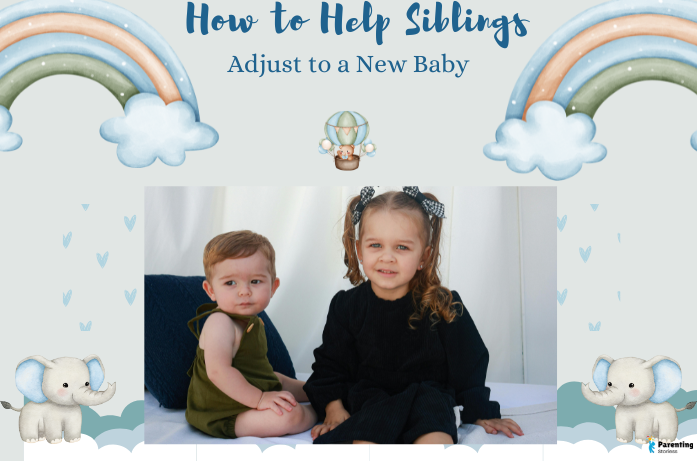
A New Baby, A Big Change for Everyone
Welcoming a new baby is one of the most beautiful experiences in life, but for your older child, it can also bring a mix of emotions. Joy, curiosity, jealousy, even confusion, all at once. After all, their world suddenly looks different. The routines shift, everyone seems busy, and f
This is completely normal. For toddlers and preschoolers especially, the arrival of a sibling can feel like both excitement and loss. They may struggle to share parents’ time or act out to regain attention. Recognizing these feelings early is key to helping your child adjust positively.
The good news is that with a little patience, love, and inclusion, your older child can grow into their new role with pride, and even joy. Encourage them to help in small, age-appropriate ways, like fetching diapers or singing to the baby. Celebrate their big sibling role and spend one-on-one moments together.
This gentle, practical guide will share simple, proven parenting tips to help your child adjust, connect, and form a lifelong, loving bond with their new baby brother or sister.
1. Start Preparing Before the Baby Arrives
The sibling adjustment to a new baby begins well before the baby comes home. Helping your child understand what’s about to happen makes a huge difference. Start preparing early by talking about family changes, reading sibling books, and involving them in baby preparations to build excitement and emotional readiness.
Talk About the Baby Early
Keep it age-appropriate. For younger kids, keep it simple and warm:
A baby is growing in Mommy’s tummy. The baby will be tiny, sleep a lot, and cry sometimes, but they’ll love you so much.
Older kids can be more involved, show ultrasound photos or let them help pick out baby blankets or toys.
Read Sibling Storybooks Together
Books are a gentle way to help kids process change. Try I Am a Big Brother by Caroline Jayne Church or The New Baby by Mercer Mayer, stories that make the big sibling role feel special.
Involve Them in Baby Prep
Let your child help decorate the nursery, pack the hospital bag, or choose an outfit for the baby. It helps them feel included, not replaced.
2. Keep Routines Consistent
Babies bring change, but routines bring comfort. Kids, especially toddlers, thrive on predictability and stability. Try to keep your older child’s mealtimes, bedtime, and play schedule as consistent as possible to reduce stress and provide emotional security. Familiar routines help children feel safe when everything else seems new. If major changes are coming, like starting preschool or moving rooms, plan them well before or after the baby’s arrival. Consistent parenting routines also strengthen trust and help siblings adjust smoothly to the family’s new rhythm.
Parenting Tip:
If you’ll be away for delivery, prepare your child in advance. Explain who will take care of them, and consider leaving short videos or notes saying goodnight. That small reminder of love keeps them emotionally connected even while you’re apart.
3. Introduce the Baby with Love and Respect
The first meeting matters, for everyone. A warm, positive introduction sets the tone for future sibling bonding and emotional security. Create a calm environment, avoid crowding, and let your older child feel proud and involved. Early positive experiences help nurture love, reduce jealousy, and build lifelong sibling connections.
When your older child meets the baby for the first time:
• Greet your older child first, before introducing the baby. It reassures them that they’re still important.
• Let them approach the baby at their own pace.
• Praise gentle touches: That was such a soft pat, you’re being so kind to your baby brother!
• Avoid pushing interaction. If they just want to look from a distance, that’s okay.
Pro Tip:
Have the baby give a small gift to their big sibling, it can make the introduction feel warm and special.
4. Encourage Participation (But Without Pressure)
Older siblings often love feeling helpful and included in caring for the new baby. Give them small, meaningful big kid jobs, like fetching diapers, singing lullabies, or helping choose baby clothes. Involvement builds confidence, reduces jealousy, and encourages positive sibling bonding while making them feel valued and emotionally connected to the baby.
But remember, they’re still children, not caretakers. Avoid putting too much responsibility on them. Use phrases that create a sense of teamwork:
Let’s take care of the baby together.
The baby loves hearing your voice.
When it feels like a shared adventure instead of a chore, it builds confidence and connection.
5. Make Special One-on-One Time
This one is magic. Even 10–15 minutes a day of focused, undistracted one-on-one time can help your older child feel secure, loved, and valued. Simple moments like reading, drawing, or walking together strengthen emotional connection and reduce sibling rivalry. Consistent quality time reassures your child that your love remains constant, even after the new baby arrives.
Those little moments whisper, You still matter to me.
They remind your child that love hasn’t been divided, it’s grown. These warm, intentional interactions build emotional security and trust. When your child feels valued and connected, it reduces sibling jealousy, encourages cooperation, and strengthens long-term family bonds, the true foundation of positive parenting and happy relationships.
6. Normalize Their Feelings
Jealousy, clinginess, acting younger, or sudden tantrums, all completely normal when a new baby arrives. These are signs your child is adjusting to big changes, not misbehaving. When your child expresses frustration or sadness, avoid correcting or scolding. Instead, connect with empathy: It’s hard when the baby cries, isn’t it? Acknowledging emotions builds trust, emotional intelligence, and resilience. Validating feelings helps your child feel seen and understood, reducing sibling rivalry and promoting healthy emotional development, key for positive parenting and strong family bonds.
7. Highlight the Joy of Being a Big Sibling
Kids love to feel important and valued, especially when a new sibling arrives. Frame their role as exciting and special to boost confidence and reduce jealousy. Highlighting their importance strengthens sibling bonding, encourages responsibility, and supports healthy emotional development in a growing family.
Say things like:
You’re the only one who can make the baby smile like that!
Your baby sister is so lucky to have you.
Celebrate small milestones, like the first time the baby giggles at their sibling, and make sure both children feel seen and appreciated in those moments.
When they realize their role adds to the family, not takes away from it, pride replaces jealousy.
8. Keep Visitors in Check
When friends or relatives come over, they often rush straight to the baby, which can unintentionally hurt your older child’s feelings. Gently remind visitors to greet your older child first, involve them in baby introductions, and praise their helpfulness to foster inclusion and emotional security.
Encourage guests to greet and include your older child first:
Liam has been such a great big brother, he loves showing everyone how gently he helps.
It’s a small change that helps your child feel proud and valued.
9. Create New Family Traditions
A new baby is a wonderful reason to create family rituals that include everyone and strengthen emotional bonds. These traditions help older siblings adjust to change, feel valued, and develop a sense of belonging. From shared storytime to family meals or weekend photo sessions, such activities nurture connection, stability, and lasting memories for the whole family.
Here are a few ideas:
• Family Storytime: One book for the older child, one for the baby.
• Big Sibling Badge: Make a fun Super Brother or Big Sister badge together.
• Weekly Family Photo: Take a photo every weekend to watch your family, and their bond, grow over time.
These simple traditions remind your child that they’re still part of a loving, growing team.
10. Take Care of Yourself, Too
It’s easy to pour all your energy into juggling children, but your emotional well-being matters just as much. Parenting can be overwhelming, self-care isn’t selfish, it’s essential. Prioritise rest, nourish your body with balanced nutrition, and carve out short breaks to recharge. Accept help from your partner, family or friends without guilt. Engage in calming activities like meditation, journaling or a simple walk to relieve stress.
When you’re emotionally balanced and relaxed, you connect better with your children, respond with more patience, and create a positive environment at home. A calm parent nurtures confident, happy and emotionally secure kids.
For more on self-care, see this helpful resource: What Is Self-Care?, which explains how self-care supports physical, mental and emotional well-being.
When to Seek Extra Support
Every child adjusts at their own pace. But if your older child shows ongoing signs of distress, such as aggression, sadness, withdrawal, or refusing to go near the baby, don’t wait or worry alone.
Talk with Your Pediatrician or a Child Psychologist
If your child seems emotionally unsettled, especially with changes like welcoming a new sibling, don’t hesitate to seek guidance from your pediatrician or a child psychologist. Early support can help your child process their emotions in a healthy way and strengthen the sibling bond.
For more expert-backed parenting guidance, visit: Positive Parenting Tips
FAQs About Helping Siblings Adjust to a New Baby
Q1. How long does it take for an older child to adjust to a new baby?
Every child is different, but most start to adjust within a few weeks to a few months. Consistent routines, reassurance, and attention speed up the process.
Q2. What should I do if my older child acts aggressively toward the baby?
Stay calm and supervise closely. Gently remind them about gentle touch and express empathy: I know it’s hard when the baby cries. Avoid punishment; instead, model kindness and guide positive interactions.
Q3. How can I reduce jealousy between siblings?
Praise your older child often for being caring and helpful, involve them in simple baby care, and make sure they still get undivided time with you each day.
Q4. My toddler wants to be a baby again. Is that normal?
Completely normal! Regression (like asking for bottles or baby talk) is a sign they’re seeking reassurance. Give them comfort and extra attention, it usually passes soon.
Q5. Should I make my child share their toys with the baby?
Not right away. Let your older child keep a few special toys that are theirs alone. It helps them feel safe and respected, making sharing easier later.
Final Thoughts: Love Grows, It Doesn’t Divide
A new baby may shift the rhythm of your home, but it doesn’t take love away, it multiplies it.
Yes, the adjustment can be emotional and sometimes messy, but it also opens the door to lifelong connection, shared laughter, and unconditional love between siblings.
With patience, empathy, and small moments of reassurance, your older child will soon see what you already know, your family’s heart just got bigger.
At Parenting Stories, we believe that love grows stronger with every new chapter of family life.
Explore more gentle, expert-backed guides on emotional development, bonding, and family connection, written with real parents in mind.
Visit ParentingStories.com and discover ways to raise connected, confident kids, one loving story at a time.
Disclaimer:
This article is for informational and educational purposes only. It is not a substitute for professional medical, psychological, or parenting advice. Always consult your pediatrician or a qualified child development specialist if you’re concerned about your child’s emotional adjustment or behavior.