
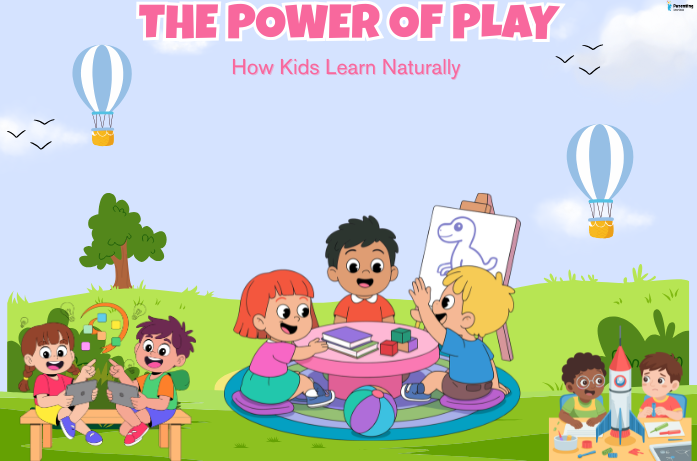
The power of play is far more than fun, it’s the most natural and effective way children learn, grow, and understand their world. Through play-based learning, kids develop language, emotional intelligence, creativity, motor skills, and problem-solving abilities without even realizing it. Every playful moment strengthens the brain, builds confidence, and lays the foundation for lifelong learning. This gentle guide explains how the power of play shapes children’s development in the most joyful, meaningful way.
1. The Power of Play in Building the Brain
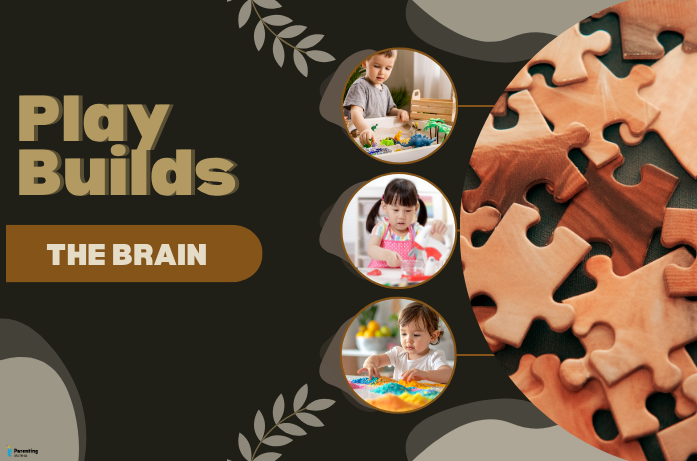
Play is the brain’s favorite classroom. When children build towers, draw shapes, or sort colors, they’re developing critical thinking and creativity, without even realizing it. These playful moments strengthen memory, focus, and decision-making, helping kids understand patterns, logic, and spatial awareness. Research in early childhood education shows that hands-on play enhances brain development more effectively than rote learning, making it a vital foundation for future academic success and emotional well-being.
The psychology behind play-based learning shows that such open-ended play stimulates cognitive growth by creating strong neural connections. This is the science behind why play helps children learn faster and retain information longer.
Parent Insight:
Try play-based learning activities like puzzles, sensory bins, and pretend cooking. These simple games encourage problem-solving and reasoning, key skills highlighted in major development theories in early childhood learning.
2. How The Power of Play Boosts Language & Communication
When your child plays teacher and student or doctor and patient, they’re not just having fun, they’re building vocabulary, expressing emotions, and learning the natural flow of conversation. Such play helps boost confidence to speak, listen, and understand others better. Role-play activities also support social and emotional growth as children learn empathy, turn-taking, and understanding others’ feelings. This kind of play naturally enhances language, grammar, sentence structure, and storytelling abilities, creating a strong foundation for reading, writing, and communication as they grow.
Try This:
- Have pretend conversations with dolls or action figures.
- Narrate what your child is doing (You’re stacking the blue block on top of the red one!).
- Encourage storytelling, even if it’s silly.
These fun moments are perfect examples of play-based learning that naturally enhance language skills.
3. The Power of Play in Sparking Creativity and Imagination
Give a child a cardboard box, and suddenly it’s a rocket ship or a castle. That’s the magic of imagination at work, and one of the best examples of play-based learning in action.
Creative play, art, and music allow children to express emotions they can’t yet put into words. They learn to take risks, explore ideas, and think outside the box. These activities also enhance problem-solving skills, hand-eye coordination, and focus, while encouraging curiosity and self-expression. Experts in early childhood development emphasize that regular engagement in creative play supports cognitive growth, emotional resilience, and social skills, helping children develop confidence, originality, and a lifelong love for learning in a fun and natural way. According to the National Association for the Education of Young Children (NAEYC), play is essential for all children, offering opportunities for guided, solitary, parallel, and social interaction that foster development across multiple domains.
Parent Tip:
Set aside time for easy art and craft, finger painting, cutting paper, or coloring alphabets. It’s not about perfect results; it’s about creative freedom and emotional expression. These small moments nurture both creativity and confidence.
4. The Power of Play in Strengthening Body and Mind
Running, climbing, dancing, and jumping aren’t just for fun, they’re vital for developing motor skills, coordination, and balance. Physical play also teaches cooperation, self-control, and body awareness. Activities like obstacle courses, ball games, or outdoor adventures strengthen muscles, improve flexibility, and boost cardiovascular health. Experts in child development emphasize that active play supports both physical and mental growth, enhancing focus, problem-solving, and emotional regulation. Regular movement also encourages social interaction, teamwork, and confidence, making physical play an essential part of early childhood development that benefits overall health, learning, and well-being.
Try This:
- Create a mini obstacle course at home.
- Play Simon Says or Freeze Dance.
- Encourage outdoor exploration, nature is the best playground.
According to child development experts, such play-based curriculum activities support both mental focus and emotional regulation, skills essential for school readiness.
5. The Power of Play in Developing Emotional Intelligence
Through play, children learn to manage emotions, share, and empathize. They experience joy, frustration, patience, and teamwork, all in one game. Play also helps develop self-regulation, resilience, and social skills, allowing children to navigate challenges and build healthy relationships. Experts highlight that interactive and imaginative play strengthens emotional intelligence, teaching kids to understand their own feelings, recognize others’ emotions, and respond thoughtfully in different social situations.
This is where the types of play therapy come in. From imaginative play to role-playing and storytelling, these approaches help children express feelings safely and develop emotional awareness.
Parent Reminder:
Join your child’s play. When you build blocks, share storytime, or engage in pretend play together, you’re teaching empathy and communication through connection and warmth.
6. The Power of Play in Building Independence and Confidence
Every time your child completes a puzzle, finishes a drawing, or solves a problem, they learn to trust their own abilities. This sense of achievement builds confidence and self-esteem while also encouraging critical thinking, perseverance, and problem-solving skills. Experts in early childhood development emphasize that allowing children to explore tasks independently helps them develop decision-making abilities, creativity, and a growth mindset. Regular opportunities for hands-on challenges and creative projects not only strengthen cognitive skills but also nurture resilience, self-reliance, and a positive attitude toward learning from an early age.
Parent Tip:
Let your child lead. Give small choices, Do you want to color or build today? Independence grows when children feel capable of making decisions and solving problems on their own.
These early skills reflect the development theories in early childhood that emphasize autonomy, curiosity, and mastery through play.
7. The Power of Play in Social Skills & Connection
When children play with others, they learn teamwork, sharing, and respect. Psychologists describe this as social play, a vital part of emotional growth and community understanding. Social play also helps children develop communication skills, conflict resolution, and empathy. Engaging in group activities from an early age fosters collaboration, patience, and the ability to build positive relationships, essential for lifelong social success.
What is Social Play (Definition):
Social play involves interaction with others, like sharing toys, role-playing, or group games, helping children learn empathy, cooperation, and communication.
Family Idea:
Schedule a weekly Family Play Hour. Choose games, crafts, or first-day-of-preschool activities that everyone enjoys. Even 15 minutes of uninterrupted play builds connection, laughter, and lifelong memories.
FAQs About The Power of Play & Play-Based Learning
1. Why is play important for child development?
Play supports cognitive, emotional, social, and physical growth. Through play, children develop problem-solving skills, creativity, language, confidence, and emotional intelligence, forming the foundation for lifelong learning.
2. How much play should preschoolers have daily?
Experts recommend at least 2–3 hours of active, purposeful play per day for preschool-aged children, including both free play and guided activities.
3. What types of play benefit kids the most?
- Free Play: Encourages creativity and imagination.
- Guided Play: Builds problem-solving and critical thinking.
- Physical Play: Improves motor skills, coordination, and overall health.
- Social Play: Teaches empathy, cooperation, and communication.
4. Can play help with school readiness?
Absolutely! Play-based learning develops language, numeracy, social skills, and executive functioning, giving children the confidence and skills they need to thrive in preschool and beyond.
5. How can parents support play at home?
Parents can join in, ask open-ended questions, provide materials for creative activities, and encourage outdoor exploration. Play is most effective when children feel supported, safe, and free to explore.
Final Thoughts: The Power of Play in Childhood Growth
In today’s busy world, play often feels like a luxury, but it’s a necessity. The psychology behind play-based learning proves that play is a child’s natural language and the foundation for all learning, academic, emotional, and social.
At Parenting Stories, we believe that play isn’t just part of childhood, it’s the heart of it. Every time your child plays, they’re learning to think, feel, imagine, and love.
So slow down, join their world of laughter and make-believe, and watch how beautifully they grow through the joy of play.
Disclaimer:
This article is for informational purposes only and should not replace professional developmental or educational advice. Always consult your child’s teacher or pediatrician for personalized guidance.