

Ultrasound, or an ultrasound, is one of the most reassuring parts of pregnancy. It’s the moment you get to see your baby growing, moving, or waving tiny hands for the very first time. Beyond the excitement, ultrasound in pregnancy is an important way for doctors to check your baby’s health and make sure your pregnancy is progressing safely. These scans help monitor the baby’s heartbeat, growth pattern, placenta position, amniotic fluid levels, and overall development.
Ultrasound imaging also plays a key role in detecting early health concerns, confirming the due date, and ensuring that the baby is developing in the right place inside the uterus. Many parents find comfort in knowing that regular scans provide a clear picture of how their baby is doing at every stage. Whether it’s the early dating scan, the NT scan, or the detailed anomaly scan, each one offers valuable insights and helps parents feel more confident throughout their pregnancy journey. Ultrasound is completely safe, painless, and one of the most trusted prenatal tests for both mothers and doctors.
If you’re pregnant or planning for a baby, here’s a gentle and easy-to-understand guide to what ultrasound is, why it’s done, and what you can expect during each scan.
What Is Ultrasound in Pregnancy?
Ultrasound is a safe imaging method that uses high-frequency sound waves to create detailed pictures of your baby inside the womb. This painless and radiation-free procedure helps doctors monitor your baby’s heartbeat, growth, organ development, and the position of the placenta. It also confirms that the pregnancy is progressing normally. Because it provides clear and real-time visuals of the baby, ultrasound in pregnancy is one of the most reliable tools for ensuring a healthy and well-monitored pregnancy. According to MedlinePlus, a trusted medical resource, a sonogram is a safe and painless test that uses sound waves to create images of the baby inside the womb
There is:
No radiation
No pain
No risk to you or your baby
It’s one of the safest tools doctors use to monitor your baby’s development.
Why Ultrasound Is Important
Ultrasound helps check:
- Your baby’s heartbeat
- Baby’s growth & development
- Placenta position
- Amniotic fluid levels
- Baby’s movements and organs
- Pregnancy complications (if any)
For most parents, ultrasound appointments bring peace of mind and joy, they confirm that everything is going well.
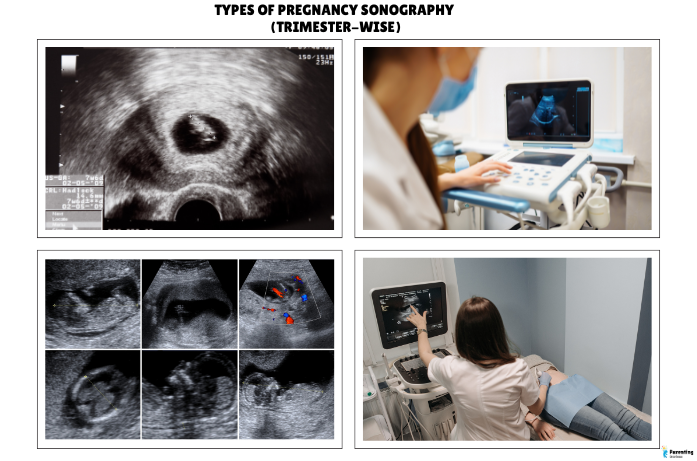
Types of Pregnancy Ultrasound (Trimester-wise)
1.Early Pregnancy / Dating Scan (6–9 Weeks)
This is usually your first ultrasound and an important step in early pregnancy care. During this scan, doctors confirm that the pregnancy is progressing normally and check whether the embryo is developing at the right pace. It also helps identify the gestational age, which is essential for calculating an accurate due date. In some cases, this early ultrasound can detect multiple pregnancies, such as twins, and highlight any early concerns so timely care can be provided.
It checks:
- Pregnancy confirmation
- Baby’s heartbeat
- Due date
- Location of pregnancy (inside the uterus)
You may see a tiny flutter, your baby’s heartbeat!
2. NT Scan Ultrasound in Pregnancy (11–13 Weeks)
This scan measures the fluid at the back of the baby’s neck to assess overall health and development. It also examines the early development of organs and helps evaluate the risk of chromosomal conditions, such as Down syndrome or other genetic concerns. The NT scan is usually done alongside a blood test, allowing doctors to get a complete picture of the pregnancy’s health. Early detection helps ensure timely monitoring and appropriate care if needed.
This scan checks:
- Baby’s neck fluid measurement
- Early development of organs
- Risk of chromosomal conditions (like Down syndrome)
It’s usually done along with a blood test.
3. Anomaly Scan / Level-2 Scan (18–22 Weeks)
This is one of the most detailed and important scans during pregnancy, often referred to as the Level-2 or anomaly scan. It provides a comprehensive view of the baby’s organs, limbs, and overall development, helping doctors detect any structural abnormalities or health concerns early. The scan also checks the position of the placenta and the umbilical cord, ensuring the baby is growing in a safe environment. According to the Centers for Disease Control and Prevention (CDC), early detection of birth defects and developmental concerns plays an important role in planning care and improving outcomes. Many parents find this scan both reassuring and emotionally special, as they can see their baby more clearly than ever before.
Doctors look at:
- Baby’s brain, heart, kidneys, stomach
- Limbs and spine
- Placenta position
- Umbilical cord
- Overall development
Many parents consider this the most emotional scan, you see your little one more clearly.
4. Growth & Wellness Scans (28–36 Weeks)
These scans monitor the baby’s weight and overall growth to ensure healthy development. They also check the baby’s position (head down or otherwise), amniotic fluid levels, placenta health, and blood flow through the umbilical cord. By assessing all these factors, doctors can confirm that the baby is growing safely and developing well. These scans are especially important as you approach delivery, helping identify any potential concerns early so that timely care and interventions can be provided if needed.
These scans check:
- Baby’s weight
- Baby’s position (head down or not)
- Amniotic fluid
- Placenta health
- Blood flow through the cord
They ensure everything is on track as you get closer to delivery.
Is Ultrasound Safe for the Baby
Yes, completely. Ultrasound is a safe and non-invasive imaging technique that has been used for decades without causing harm to the baby or mother. It uses sound waves instead of radiation, making it gentle and safe for monitoring fetal growth, development, and overall health. Doctors recommend scans only when necessary, ensuring the baby is regularly checked while minimizing unnecessary exposure. This makes ultrasound one of the most trusted and reliable tools for prenatal care.
Ultrasound has been used safely for decades and does not harm:
Baby’s ears
Baby’s growth
Mom’s health
Doctors only suggest scans when necessary, just enough to monitor your baby safely.
How to Prepare for a Ultrasound
Nothing complicated! Preparing for an ultrasound is simple and safe for both you and your baby. Drinking water before early-pregnancy scans helps produce clearer images, while wearing comfortable clothing makes the process easier. Always carry your medical reports and prescriptions to assist the doctor in accurate assessment. Stay relaxed and positive, as the scan is completely painless. In most cases, partners are allowed to be present, making the ultrasound a special and memorable bonding experience.
Just a few tips:
- Drink water before early-pregnancy scans (helps in clearer images)
- Wear comfortable clothing
- Carry your reports and prescriptions
- Relax, the scan is simple and painless
In most cases, doctors allow partners to be present, making it a special bonding moment.
What You’ll See During the Scan
Depending on the stage of pregnancy, an ultrasound can reveal different aspects of your baby’s development. In the early weeks, you may see the heartbeat and small movements, while in later trimesters, you can observe arms, legs, fingers, facial features, and tiny actions like yawning, stretching, or kicking. This experience is often deeply emotional and memorable for parents, making the pregnancy feel more real and helping them bond with their baby even before birth, you may see:
Baby’s heartbeat
Arms, legs, fingers, and toes
Baby yawning, stretching, or kicking
Face profile
Tiny movements
Many parents say this is the moment pregnancy feels real.
When Extra Ultrasound May Be Needed
Your doctor may recommend additional ultrasound if there are certain pregnancy-related risks. For example, if you are carrying twins, have high blood pressure, gestational diabetes, a low-lying placenta, reduced baby movements, or growth concerns, extra scans can provide closer monitoring. These additional ultrasounds help ensure your baby’s health and development are on track and allow doctors to detect any potential issues early, so timely care and interventions can be provided for a safe and healthy pregnancy.
Additional scans if:
- You have twins
- High blood pressure
- Gestational diabetes
- Low-lying placenta
- Reduced baby movements
- Growth concerns
Extra monitoring simply helps keep your baby safe.
Frequently Asked Questions (FAQs)
1. How many ultrasounds are needed during pregnancy?
Most healthy pregnancies include 2–4 essential scans, the early dating scan, NT scan, anomaly scan, and a growth scan. However, the number may vary depending on your health and your doctor’s recommendation.
2. Is ultrasound painful or uncomfortable?
No, ultrasound is completely painless. At most, you may feel slight pressure from the probe, but the procedure is gentle and safe.
3. Can too many ultrasounds harm the baby?
Medical experts, including WHO, say routine ultrasounds are safe when done by trained professionals. Doctors only recommend them when necessary.
4. Do I need a full bladder for every ultrasound?
Only for early-pregnancy scans (usually before 12 weeks). Later scans don’t require a full bladder.
5. Can I bring my partner or family member to the scan?
In most clinics, yes. It’s a special bonding moment for both parents. However, policies may vary depending on the hospital.
6. What should I do if my scan shows something unusual?
Don’t panic. Many findings simply mean your doctor will monitor you more closely. Always discuss calmly with your healthcare provider, they will guide you through the next steps.
7. When can I find out my baby’s gender?
In some countries, gender reveal via ultrasound is legal between 18–22 weeks, but in India, revealing the baby’s gender is prohibited by law. Always follow your country’s legal guidelines.
8. How long does an ultrasound take?
Typically 10–30 minutes, depending on the type of scan and your baby’s position.
For additional guidance on prenatal care and safe pregnancy practices, the World Health Organization (WHO)provides trusted resources on promoting healthy pregnancy
Final Thoughts: A Window Into Your Baby’s World
Ultrasound is more than a medical test, it’s a beautiful moment filled with excitement, relief, and connection. Each scan shows how wonderfully your baby is growing and helps doctors ensure everything is safe for both mom and baby.
So breathe, relax, and enjoy these little glimpses of the precious life growing inside you.
Want more simple, comforting guides for your pregnancy journey?
Explore our Pregnancy & Baby Care section on ParentingStories for helpful tips, real parent experiences, and easy-to-understand articles that support you every step of the way.
You’re not alone, we’re here to make your parenting journey easier, calmer, and filled with confidence.
Disclaimer
This article is meant to provide general information and support for expecting parents. It should not replace medical advice, diagnosis, or treatment from a qualified healthcare professional. Every pregnancy is different, and recommendations may vary based on individual health needs. Always follow your doctor’s guidance regarding ultrasound schedules, results, and prenatal care. If you have any concerns about your scans or your baby’s development, please consult your healthcare provider immediately.