The umbilical cord is your baby’s very first special connection to you. During pregnancy, it provided all the nutrients your little one needed to grow. After birth, caring for the small stump that remains is important, and it’s completely normal for new parents to feel a bit unsure about it.
Over the first few weeks, the stump will naturally dry up and fall off on its own. By following a few simple umbilical cord safety tips, you can reduce the risk of infection and help keep your baby comfortable as the area heals.
In this article, we’ll walk you through easy, reliable ways to care for your baby’s umbilical cord so the whole process is safe, simple, and worry-free.
What Is the Umbilical Cord Stump?
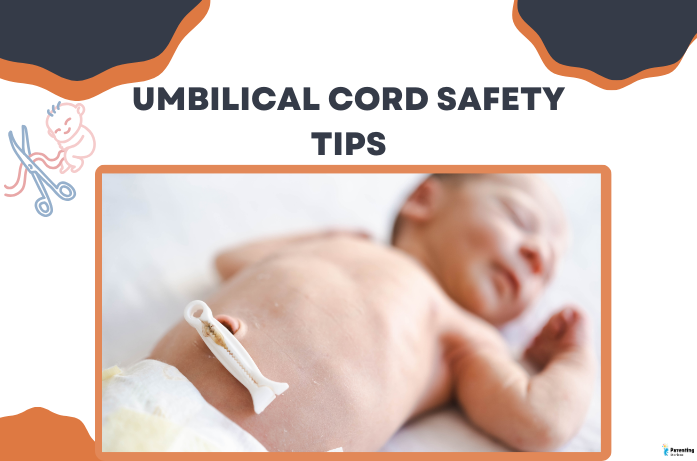
After your baby is born, the umbilical cord is cut, leaving a small stump on their belly button. While it may seem tiny, caring for this little stump is very important. Usually, it dries up and falls off on its own within 1 to 2 weeks.
The area where the stump was attached is still healing, so keeping it clean and dry is very important to prevent infection. By following a few basic umbilical cord safety tips, you can support proper healing and help reduce any discomfort or irritation for your baby.
Although it’s a small part of your baby’s body, the umbilical cord stump plays an important role in your newborn’s early care. A few simple steps can ensure it heals properly and safely.
Umbilical Cord Safety Tips: Care Guidelines for Newborns
Caring for your newborn’s umbilical cord stump is an important part of those first few days. Keeping it clean and dry helps prevent infection and ensures the stump heals safely and comfortably.
Here are some umbilical cord safety tips to help you keep your baby’s umbilical cord stump healthy and clean, while giving you confidence that you’re taking good care of your little one.
1. Keep the Stump Clean and Dry
The most important thing for your baby’s umbilical cord stump is to keep it dry, as moisture can cause irritation or infection.
- Skip full baths: Until the stump falls off, give your baby a gentle sponge bath instead, carefully wiping around the stump.
- Let it breathe: When changing diapers or during the day, allow the stump to be exposed to air to help it dry faster.
2. Clean the Area with Care
Be gentle when cleaning around the stump to avoid irritation or accidentally pulling it.
- Use a damp cloth or cotton swab: Clean the area with a soft, damp washcloth or cotton swab and warm water. Wipe gently, no scrubbing.
- Skip alcohol: You don’t need rubbing alcohol. Just water is enough, and alcohol may actually slow drying.
Gentle, careful cleaning helps the area heal properly and is an easy way to follow recommended umbilical cord safety tips for newborns.
3. Ensure the Stump Is Not Covered
Make sure the umbilical cord stump isn’t covered by tight clothing so it can stay dry and heal properly.
- Diaper tips: Fold the top of the diaper down or use a diaper with a cut-out to prevent rubbing or irritation.
- Clothing: Opt for onesies or shirts with a small opening around the belly button to avoid pressure on the stump.
4. Look for Signs of Infection
Keep an eye on the stump and the surrounding area. It’s normal for it to darken and dry, but contact your pediatrician if you notice:
- Redness or swelling around the stump
- Any discharge that smells bad or doesn’t dry
- Persistent bleeding, even after the stump falls off
- Fever
Early treatment can prevent complications, so it’s always better to be cautious.
5. Let the Stump Fall Off Naturally
The umbilical cord stump usually falls off on its own within 1–2 weeks, so never pull or tug at it, as this can cause bleeding or injury. Some stumps fall off quickly, while others may take a little longer. During this time, simply keep the area clean and dry, and let the stump fall off naturally.
6. Avoid Tight Clothing and Bandages
Never tie anything around your baby’s stump or cover it with tight bandages, as this can cause irritation or increase the risk of infection. Let the stump stay exposed to air so it can heal naturally and safely.
7. Check the Stump Daily
Make it a habit to gently check your baby’s umbilical cord stump every day, especially after diaper changes. Keep an eye out for any redness, irritation, unusual discharge, or signs of infection. If you notice anything unusual, contact your pediatrician for guidance.
What to Do After the Stump Falls Off
Once the umbilical cord stump falls off, usually within 1 to 2 weeks, the area may still look slightly moist or have a little scab. Here’s what to do:
- Continue to keep it dry: Even after the stump falls off, keep the area clean and dry for the next few days until it fully heals.
- Monitor for infection: Keep an eye out for signs of infection, such as redness, swelling, or unusual discharge. It’s normal for the area to appear slightly red at first, but it should gradually heal and look normal.
For more tips on bathing and skin care after the umbilical cord stump falls off, check out the AAP guide on bathing your newborn for useful recommendations on newborn hygiene.
When to Contact a Pediatrician
While most umbilical cord stumps heal without any problems, there are times when you should contact your pediatrician. If the area continues to bleed after the stump falls off, or if you notice any pus or a foul smell, these could be signs of infection. Swelling or redness around the stump is also a warning sign. Additionally, if your baby develops a fever along with any of these symptoms, it’s important to seek medical advice promptly. Early attention can help prevent complications and ensure your baby stays healthy.
If you’re unsure about what constitutes normal healing or need more information, refer to the Care of the Umbilical Cord leaflet from MKUH NHS for professional advice on caring for your baby’s stump.
FAQs: Umbilical Cord Stump Care
Q1: Can I bathe my baby before the stump falls off?
A: Stick to sponge baths until the stump falls off. This keeps the area dry and reduces the risk of infection.
Q2: Is it normal if the stump bleeds a little?
A: Slight bleeding is normal when the stump naturally separates. Avoid pulling it. Contact a pediatrician if bleeding is heavy or persistent.
Q3: How long should the stump take to fall off?
A: Usually 1–2 weeks, but sometimes up to 3 weeks. Healing continues even after the stump falls off.
Q4: Should I use alcohol to clean the stump?
A: No. Warm water and a gentle wipe are sufficient. Alcohol can slow the drying process.
Q5: When should I contact my pediatrician?
A: If you notice redness, swelling, pus, foul odor, persistent bleeding, or fever, seek medical advice immediately.
Final Thoughts
Taking care of your baby’s umbilical cord stump might feel like a small task, but it’s an essential part of keeping your baby healthy in the early weeks of life. By following these umbilical cord safety tips and monitoring the stump for any signs of infection, you can help ensure your baby heals properly and comfortably.
At Parenting Stories, we’re here to guide you through every part of your parenting journey. From the first bath to the final days of umbilical cord healing, we’ve got the advice and support you need.
Disclaimer
This article is for informational purposes only. If you have concerns about your baby’s umbilical cord stump or experience any unusual symptoms, contact your pediatrician for personalized guidance.