Starting school is a major and emotional milestone in every child’s life, and just as meaningful for parents too. It marks the moment when your little one steps out of the comfort of home and begins a new journey of learning, friendships, routines, and independence. Naturally, along with excitement, parents often feel a bit anxious and wonder, What should I buy?, How much is really needed?, and Am I preparing my child the right way?
Whether your child is beginning preschool, kindergarten, or primary school, thoughtful preparation can make this transition much smoother and more reassuring for both of you. When the right what to buy for starting school essentials are chosen in advance, children feel more confident and secure, and parents feel more organized and at ease.
If you are unsure about what to buy for this new beginning, this simple yet practical guide is designed to support you step by step. It focuses only on the truly necessary items that help your child stay comfortable, prepared, and confident during their school day, without leading to unnecessary spending or overbuying.
Remember, the goal is not to buy everything available, but to choose wisely and practically. A calm, well-planned start helps your child adjust more easily to the school environment and allows you to begin this new phase with confidence and peace of mind.
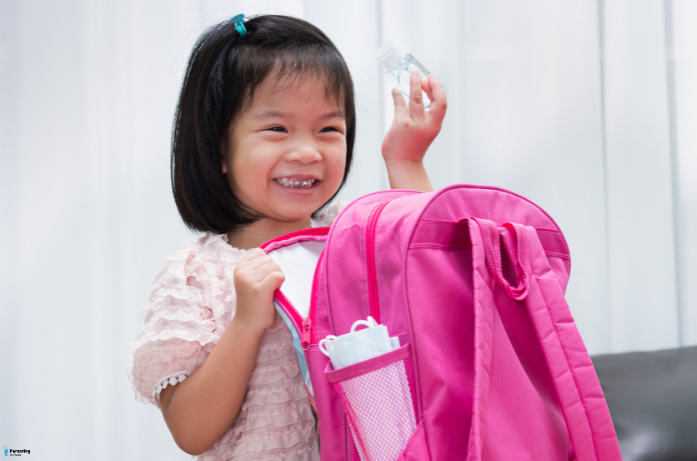
1. The School Bag (Backpack)
The school backpacks for kids is one of the most important items your child will carry every day. Choosing the right backpack can make a big difference in their comfort, posture, and overall school experience.
What to Look For:
- Lightweight yet durable material
- Soft, padded shoulder straps for comfort
- Proper back support to reduce strain
- Smooth, easy-to-open zippers for little hands
- A size that suits your child’s height and build
It’s best to avoid oversized backpacks, as very large bags can put unnecessary pressure on small shoulders and back.
Tip: Let your child choose a design they truly like. When children love their school backpacks, it naturally builds excitement, confidence, and a sense of ownership about going to school. For more backpack tips, check out Healthy Children’s advice on backpack safety.
2. Lunch Box & Water Bottle
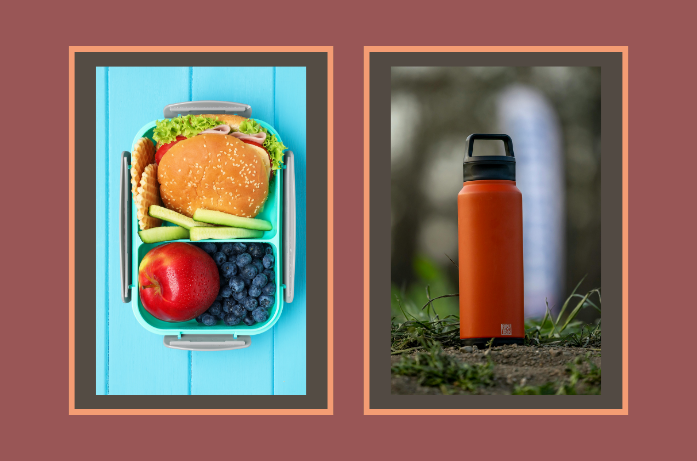
If your child will be staying at school during lunchtime, a good lunch box and water bottle are essential. Choosing practical, child-friendly options makes it easier for them to eat and drink independently throughout the day.
Lunch Box:
- Easy to open and close for small hands
- Leak-proof to prevent spills in the bag
- Divided sections to keep different foods separate
- Simple to clean and maintain
Water Bottle:
- Spill-proof design to avoid mess
- Lightweight and easy to carry
- Comfortable for small hands to hold
- Clearly labeled with your child’s name
Proper hydration is especially important during busy and active school days, helping your child stay energetic, focused, and comfortable in class. Learn more about healthy school habits from UNICEF’s Early Childhood Education page.
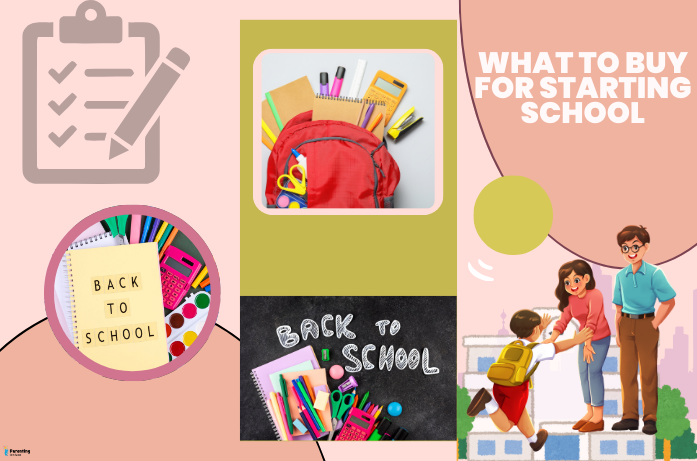
3. Basic School Supplies
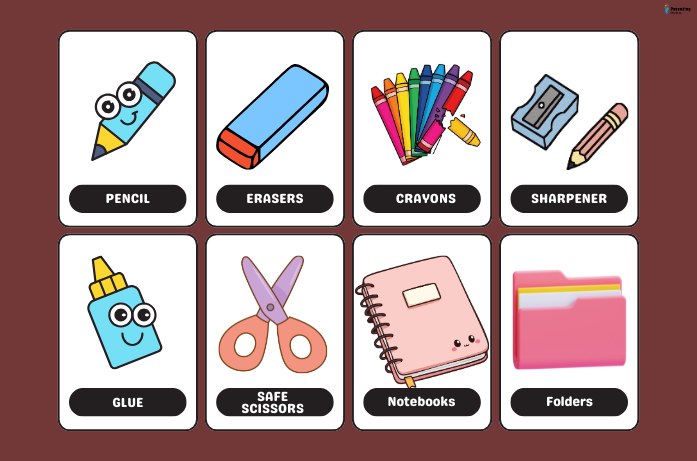
Most schools usually provide a recommended school supplies checklist. However, if you haven’t received one yet, you can start with a few simple and essential items that cover your child’s basic classroom needs.
A general starter list may include:
- Pencils (preferably thick and easy-grip for younger children)
- Erasers
- Crayons or colored pencils
- Pencil sharpener
- Glue sticks
- Child-safe scissors
- Notebooks
- Folders
For preschool and kindergarten, it’s best to keep things simple and age-appropriate. There’s no need to purchase advanced or extra supplies unless the school specifically requests them. Simple, easy-to-use items help young children feel more confident and comfortable as they begin their learning journey.
4. Comfortable School Uniform or Clothes
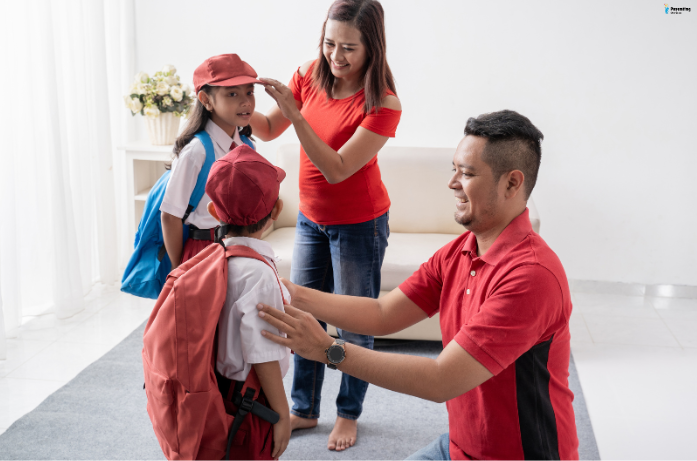
Ensuring that your child feels comfortable in what they wear to school plays a big role in helping them stay happy and focused throughout the day. Clothing that fits well and feels good allows children to move freely, participate in activities, and stay relaxed in the classroom.
If your child’s school has a uniform:
- Buy at least 2–3 sets for easy rotation during the week
- Choose soft, breathable fabrics that are gentle on the skin
- Make sure the fit is proper, not too tight and not too loose
If there is no uniform:
- Select comfortable, easy-to-wear clothes
- Choose simple shoes, such as Velcro styles for younger children
- Pack an extra pair of clothes in the backpack, especially for younger kids
When children are physically comfortable, it becomes much easier for them to concentrate, learn, and enjoy their school day with confidence.
5. Shoes & Socks
Choosing the right shoes and socks is important for your child’s comfort and safety at school. Since children spend many hours walking, running, and playing, their footwear should be supportive, lightweight, and easy to manage on their own.
When selecting shoes, look for:
- Lightweight and comfortable design
- Non-slip soles for better grip and safety
- Easy fastenings like Velcro or simple straps
- Proper arch support for healthy foot development
It’s best to avoid complicated laces for younger children who are not yet able to tie them independently. Simple, secure, and comfortable footwear helps your child move confidently throughout the school day.
6. Personal Hygiene Items
Maintaining personal hygiene at school is important, especially for younger children who are still learning daily self-care habits. Keeping a few basic hygiene items in their bag can help them stay clean and comfortable throughout the day.
Depending on your child’s age, you may include:
- A small hand sanitizer
- Wet wipes
- Tissues
- A small towel
- An extra pair of underwear (for younger children)
Make sure to label each item clearly. This helps your child easily identify their belongings and ensures that nothing gets misplaced or mixed up at school.
7. Name Labels (Very Important!)
Young children often misplace or mix up their belongings at school, especially during the first few weeks. Adding name labels to their items is a simple step that can make a big difference.
Make sure to label:
- Backpack
- Lunch box
- Water bottle
- Sweater or jacket
- Shoes (if possible)
Labeling helps teachers easily identify your child’s belongings and ensures that lost items find their way back home. It also saves money and prevents unnecessary confusion for both you and your child.
8. Optional but Helpful Items
Along with the basic essentials, a few extra items can make your child’s school day more comfortable and convenient. These are not mandatory, but they can be quite useful depending on your child’s needs and the school’s guidelines.
You may consider including:
- A small comfort item (if the school allows) to help your child feel secure
- A school planner for older children to stay organized
- A raincoat or umbrella for unexpected weather changes
- Hair ties or clips, if needed, to keep hair neat and tidy
- A light sweater to adjust easily to changing weather or classroom temperatures
These thoughtful additions can help your child feel more prepared and at ease throughout the school day.
Things You Don’t Need to Overbuy
It’s natural to want to buy everything your child might need for school, but more isn’t always better. In fact, too many items can feel overwhelming and may not even be used regularly.
You really don’t need to invest in:
- Fancy pencil sets
- Heavy or oversized backpacks
- Expensive gadgets
- Trendy items that look nice but aren’t practical
Choosing simple, functional, and comfortable items is usually the best approach. They make daily school routines easier for your child and help you avoid unnecessary spending.
Emotional Preparation Is Just as Important
Starting school is not only about buying the right supplies, your child’s emotional readiness matters just as much. A gentle and positive approach can help them feel secure and excited about this new beginning.
You can support your child by:
- Speaking positively about school and what they will enjoy there
- Practicing the morning routine a few days in advance
- Visiting the school beforehand to make the place feel familiar
- Encouraging small acts of independence, like packing their bag or wearing shoes
Remember, a confident and happy child is far more important than having a perfectly packed school bag.
Quick Checklist Summary
To make school mornings easier and more organized, here’s a simple list of essentials to keep in mind:
- Backpack
- Lunch box
- Water bottle
- Basic stationery
- Comfortable clothes or uniform
- Proper shoes
- Hygiene essentials
- Name labels
Keeping things simple and practical helps reduce stress for both you and your child. With these basic items ready, you can focus more on helping them feel confident and excited about their new school journey.
For more tips on preparing for the school year, visit Healthy Children’s back-to-school tips
FAQs: What to Buy for Starting School, Practical Checklist for Parents
Q1: What are the essential items to buy for starting school?
The basic essentials include a backpack, lunch box, water bottle, basic stationery, comfortable clothes or uniform, proper shoes, hygiene items, and name labels.
Q2: How do I choose the right school bag for my child?
Choose a lightweight, durable backpack with padded straps, back support, and a size appropriate for your child’s age to avoid shoulder strain.
Q3: How many uniforms should I buy for school?
It’s best to buy at least 2–3 sets of uniforms for easy rotation during the week and to handle unexpected spills or laundry delays.
Q4: What stationery is needed for preschool or kindergarten?
Simple supplies like thick pencils, crayons, erasers, glue sticks, child-safe scissors, and notebooks are usually enough for young children.
Q5: Should I label my child’s school items?
Yes, labeling backpacks, lunch boxes, bottles, and clothing helps prevent mix-ups and ensures lost items can be easily returned.
Q6: What hygiene items should I pack in my child’s school bag?
Basic items like hand sanitizer, tissues, wet wipes, and an extra pair of underwear (for younger kids) help maintain cleanliness during the school day.
Q7: Do I need to buy expensive school supplies?
No, simple, practical, and comfortable items work best. Expensive or trendy supplies are often unnecessary and may not be used regularly.
Q8: How can I emotionally prepare my child for starting school?
Talk positively about school, create a routine, visit the school beforehand, and encourage small independent tasks to build confidence.
Final Thoughts
Starting school is an exciting new chapter. With the right preparation and a calm approach, you can make this transition smooth and joyful for your child.
Remember, your child doesn’t need the most expensive supplies. They need comfort, confidence, and your encouragement.
At Parenting Stories, we believe parenting becomes easier when we focus on what truly matters, supporting our children through each milestone with love and preparation.
Disclaimer
This article is for informational purposes only. Always check your child’s school supply list and specific requirements before purchasing items.