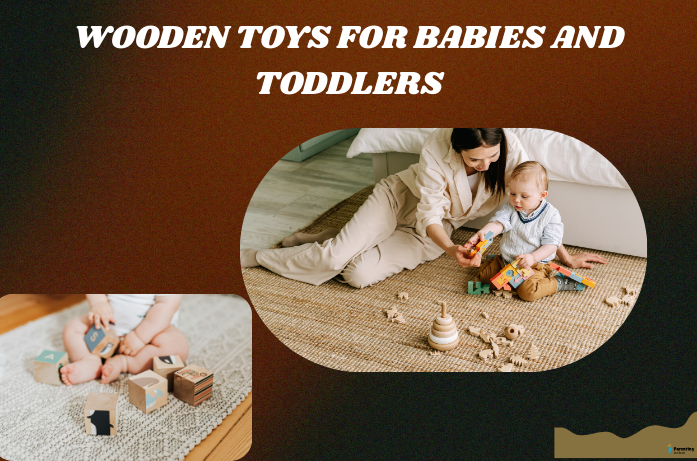
As parents, we always want the very best for our little ones, safe toys for babies that are fun, engaging, and help them grow. While plastic toys have been a staple for decades, wooden toys for babies are making a wonderful comeback. These timeless, eco-friendly baby toys aren’t just beautiful and long-lasting, they offer so many benefits that make playtime meaningful and enriching.
Wooden toys for babies are gentle on tiny hands, free from harmful chemicals, and built to last for years. They encourage creativity, imagination, and problem-solving in ways that mass-produced plastic toys often can’t. Choosing wooden toys isn’t just good for your child, it’s also a thoughtful, sustainable choice for the planet they will grow up in.
In this article, we’ll explore why wooden toys are such a great choice for your baby or toddler, the different types available, and tips for picking the safest and most engaging options. Whether you’re a first-time parent or looking to refresh your child’s toy collection, this guide will help you make informed choices that your little one will love, and you’ll feel confident knowing you’ve made the right choice..
Why Choose Wooden Toys?
These days, wooden toys for babies and toddlers have become increasingly popular, and many parents are choosing them over plastic alternatives. That’s because wooden toys are not only safe and durable, but they also help support a child’s development and spark creativity. Being natural and eco-friendly, they are gentle on little hands and provide children with opportunities to explore, learn, and play in a meaningful way. Let’s take a closer look at some of the key benefits of choosing wooden toys:
Child health experts consistently highlight that toys play a critical role in early learning and emotional development. According to guidance shared by KidsHealth, choosing age-appropriate, well-made toys helps support physical coordination, problem-solving skills, and safe play habits during infancy and toddlerhood.
1. Eco-Friendly and Sustainable
Wooden toys for babies are made from natural, renewable materials, making them a gentle and sustainable choice compared to plastic. Many are carefully crafted using non-toxic paints and finishes, so they’re safe for children and kind to the environment.
- Biodegradable: Unlike plastic toys, wooden toys naturally break down and don’t add unnecessary waste to landfills.
- Natural and Sustainable Materials: Many wooden toys are made from responsibly sourced wood, so you can feel good about your choice for both your child and the environment.
2. Durable and Long-Lasting
Wooden toys are often far more durable than plastic ones, especially when crafted from high-quality woods like beech or maple. They can withstand years of play and are often cherished enough to be passed down to siblings, or even future generations.
- Timeless: Because wooden toys are strong and long-lasting, they become more than just toys, they’re lasting keepsakes that can be treasured for years to come.
3. Non-Toxic and Safe for Babies
When you choose high-quality wooden toys for babies from trusted brands, you’re usually getting materials that are non-toxic baby toys, BPA-free, and phthalate-free. Many of these toys are also painted with water-based, non-toxic paints, making them safe for babies who explore by putting toys in their mouths.
- Chemical-Free: With wooden toys, you don’t need to worry about harmful chemicals coming into contact with your baby’s skin or mouth, something that can sometimes happen with certain plastic toys.
4. Encourages Imaginative Play
Wooden toys naturally encourage creativity and imaginative play. Unlike plastic toys that often rely on lights or sounds, these educational wooden toys give children the freedom to think, build, and play in their own way.
- Simple, Creative Play: Wooden blocks, stacking toys, and figurines can be used in countless ways, helping children explore, imagine, and learn while having fun.
Global child development organizations also emphasize that open-ended play supports emotional and cognitive growth. UNICEF explains that simple toys allow children to explore ideas, express creativity, and build confidence through play, rather than being overstimulated by electronic features.
5. Sensory Development
Wooden toys provide a natural texture and weight that engage a baby’s senses in a way that plastic toys often cannot. From the smooth feel of a wooden rattle to the satisfying click of stacking rings, these toys help babies and toddlers develop tactile awareness and fine motor skills.
- Feel and Sound: The natural touch and gentle sounds of wooden toys create a unique sensory experience, helping to stimulate your child’s sense of touch and hearing in a safe and enjoyable way.
Medical and developmental research strongly supports this type of play. The American Academy of Pediatrics (AAP) highlights that hands-on, imaginative play strengthens brain development, supports emotional regulation, and builds problem-solving skills during early childhood.
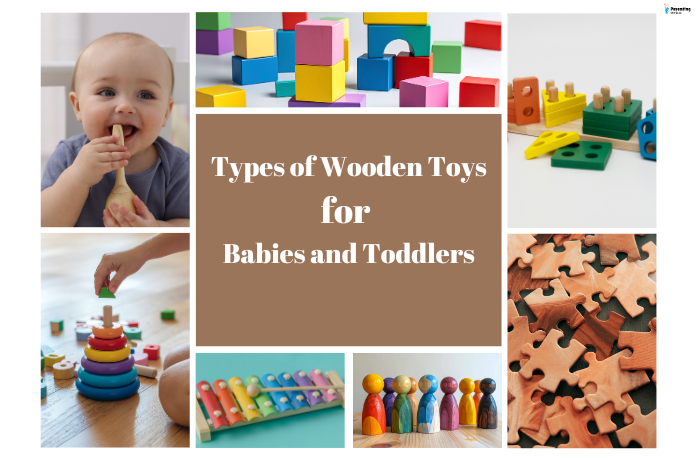
Types of Wooden Toys for Babies and Toddlers
Wooden toys are available in a wide variety of shapes, sizes, and designs, each crafted to engage your baby in unique and meaningful ways. Here are some popular types of wooden toys that young children especially enjoy:
1. Wooden Rattles
Wooden rattles are an ideal choice for newborns and young infants. Their lightweight and smooth design makes them easy for little hands to grasp and shake, helping to support early hand-eye coordination. Many wooden rattles are also safe for babies to explore with their mouths, giving them a secure and engaging way to discover sounds and textures.
2. Wooden Blocks
Wooden blocks are timeless toys that gently encourage creativity and open-ended play. Children can stack, build, sort, or create patterns, using their imagination in countless ways. As toddlers grow, they begin to build more complex structures, making wooden blocks a toy that truly grows along with your child and supports their development at every stage.
3. Wooden Push and Pull Toys
These toys are wonderful for encouraging movement in toddlers who are just learning to walk. Push toys, such as wooden carts or wheeled animal figures, help children improve their balance and coordination as they move them along. Pull toys are equally engaging, toddlers enjoy pulling them with a string, which supports the development of motor skills while making movement fun and interactive.
4. Wooden Stacking Toys
Stacking toys are a wonderful way to support fine motor skills and hand-eye coordination in young children. Whether it’s stacking rings or pyramid-shaped toys, these simple playthings keep children engaged while gently teaching them about sizes, shapes, and balance through play.
5. Wooden Musical Instruments
Wooden musical toys, such as xylophones and tambourines, are a lovely way to introduce babies and toddlers to the world of music. The natural sounds of wooden instruments are often softer and more soothing than plastic ones, helping children enjoy music while gently developing their sense of hearing and rhythm.
6. Wooden Figurines and Dolls
Wooden dolls and figurines are thoughtfully designed to encourage imaginative play. Children can use them for pretend play, storytelling, and creating simple stories of their own. Whether it’s a wooden dollhouse or a set of animal figurines, these toys inspire creativity and offer endless ways for children to explore their imagination.
7. Wooden Shape Sorters
Shape sorters are a wonderful way to introduce babies to shapes, colors, and how different pieces fit together. By matching each shape to the correct opening in a wooden block or box, children stay engaged while learning through play. As they grow, shape sorters also help develop problem-solving skills and prepare them for more complex puzzles.
How to Choose the Right Wooden Toys for Your Baby
When choosing wooden toys for your baby, it’s helpful to keep their age, developmental stage, and safety in mind. The right toy should feel both enjoyable and appropriate for where your child is in their growth journey. Here are a few simple tips to help you select the best wooden toys for your little one:
1. Age-Appropriate
- For newborns and young infants, choose lightweight rattles and simple toys that are easy to hold and safe for mouthing.
- For older babies and toddlers, select toys that support motor skill development and creativity, such as wooden blocks, stacking toys, and push-pull toys.
2. Non-Toxic Finishes
- Always check that wooden toys are made using non-toxic paints, finishes, or varnishes.
- Make sure the wood is untreated and free from harmful chemicals such as lead or BPA.
- Look for labels that clearly mention BPA-free, phthalate-free, and non-toxic materials for added peace of mind.
3. Smooth, Safe Edges
Make sure the toy has smooth, rounded edges so it’s gentle and safe for your baby to handle. Wooden toys should be carefully crafted, with no splinters or sharp points, and designed with your child’s safety as a top priority.
4. Durability
Choose sturdy, well-made wooden toys for babies that can handle your baby’s growing curiosity and active play. High-quality woods such as beech, maple, or birch are strong and durable, making them an excellent choice for toys that are meant to last.
FAQs
1. Are wooden toys safe for babies and toddlers?
Yes, high-quality wooden toys are safe for babies and toddlers when they are made from non-toxic, BPA-free materials and finished with child-safe paints. Always choose toys with smooth edges and age-appropriate designs.
2. Why are wooden toys better than plastic toys?
Wooden toys are more durable, eco-friendly, and chemical-free compared to plastic toys. They encourage imaginative play, sensory development, and problem-solving without overstimulation from lights or sounds.
3. At what age can babies start playing with wooden toys?
Babies can start using wooden toys from birth, such as wooden rattles and grasping toys. As they grow into toddlers, wooden blocks, stacking toys, and push-pull toys become more suitable and engaging.
4. Do wooden toys help in child development?
Yes, wooden toys support fine motor skills, hand-eye coordination, creativity, and cognitive development. Open-ended play with wooden toys allows children to explore and learn at their own pace.
5. How do I choose safe wooden toys for my child?
Look for toys made from responsibly sourced wood, with smooth finishes and non-toxic paints. Avoid toys with small detachable parts for younger babies and always check age recommendations.
6. Are wooden toys eco-friendly?
Wooden toys are considered eco-friendly because they are made from renewable materials, are biodegradable, and often last long enough to be reused or passed down to younger siblings.
Final Thoughts
Wooden toys for babies are a wonderful choice for parents who are looking for safe, durable, and eco-friendly playthings for their babies and toddlers. They encourage imaginative play, promote sensory development, and are built to last. Whether you’re selecting a classic wooden rattle or a set of building blocks, these toys offer lasting value and are sure to delight your little one.
At Parenting Stories, we believe in the power of play, and we’re here to help guide you through the wonderful journey of parenting with tips, recommendations, and support every step of the way.
Disclaimer
This article is for informational purposes only. Always check the safety guidelines and recommendations for age-appropriate toys and consult with your pediatrician for advice on your baby’s development.