
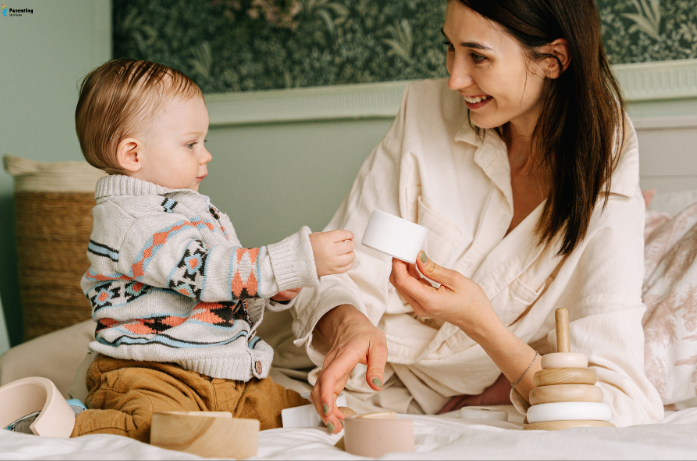
When we hear the word discipline, it often brings to mind strict rules or punishment. But with babies, discipline means something very different. Babies aren’t being naughty, they’re simply learning about the world around them. Their crying, grabbing, or resisting is just their way of communicating needs they don’t yet have words for.
Baby discipline isn’t about correcting behavior. It’s about gently teaching, guiding, and helping your child feel safe and understood. When you respond with calmness and consistency, your baby slowly begins to learn boundaries while also feeling secure in your love and care.
In this guide, we’ll understand baby discipline as a calm and loving way to teach and build a strong connection.
Can Babies Even Understand Discipline?
In the first year of life, babies are just beginning to make sense of their surroundings, which is why they don’t yet understand rules or consequences the way older children do. Their brains are still developing at a rapid pace, especially the areas responsible for self-control and emotional regulation. This is why babies rely so much on their caregivers’ calm responses, gentle guidance, and reassurance to feel safe and gradually learn appropriate behavior.
According to the American Academy of Pediatrics, babies learn best through responsive caregiving, when parents calmly respond to needs and model behavior over time.
So yes, babies can begin to learn boundaries, but this happens through repetition, a warm tone of voice, and a strong, loving connection, not through punishment. This is the true foundation of baby discipline.
1. Start with Emotional Security
Before a baby can begin to understand limits, it’s essential for them to feel safe and secure. When you respond calmly and consistently to their cries, hunger cues, or moments of discomfort, your baby learns that they are cared for, understood, and never alone. This gentle responsiveness helps build trust and creates a sense of security that supports healthy emotional development.
Through gentle baby discipline, your baby learns:
- I can trust the person who cares for me.
- My needs are important and understood.
- The world feels safe and comforting.
This emotional security becomes the foundation for self-control later in childhood.
Important: Paying attention to your baby’s needs and responding promptly doesn’t spoil them, instead, it helps build a sense of trust and security.
UNICEF emphasizes that emotional security and responsive parenting in infancy help children develop trust, self-regulation, and healthy relationships later in life.
2. Use Gentle Voice and Simple Words
Even before babies can understand the meaning of words, they are very sensitive to the tone of your voice. They can feel whether you are calm, kind, or frustrated, and this tone helps them understand your intentions and emotions even when the words themselves are not yet clear to them.
Instead of raising your voice:
- Use calm, clear language
- Say simple phrases like:
- That’s not safe.
- Gentle hands.
- Let’s try this instead.
This approach supports baby discipline by helping babies feel regulated and understood, rather than frightened or confused.
3. Redirect, Don’t Punish
Babies explore with their hands and mouths. If your baby reaches for something unsafe, discipline means redirection. Babies explore the world with their hands and mouths, so when they reach for something unsafe, it’s important to guide them toward a safer alternative rather than punish them. This approach gently teaches what is safe, helping them learn boundaries while also building trust and a sense of security.
Examples:
- If they grab a phone → offer a soft toy
- If they pull hair → gently remove their hand and say gentle
- If they crawl toward danger → move them to a safe space
This method of baby discipline teaches what to do, not just what not to do.
The CDC explains that babies learn through guidance, repetition, and redirection rather than punishment, as their brains are still developing self-control skills.
4. Create a Safe Environment
One of the gentlest and most effective ways to guide a baby discipline is preventing potential hazards before they happen. Creating a safe, well-prepared environment allows your baby to explore freely and learn without constant restrictions, making the experience less stressful for both you and your child.
- Cover electrical outlets
- Secure furniture
- Keep unsafe items out of reach
When the environment is safe, your baby can explore freely, and you won’t need to say no constantly.
5. Be Consistent (Even When You’re Tired)
Babies absorb lessons best through repeated experiences. When the same action receives inconsistent reactions, it can leave them unsure of what is expected. Gentle, steady responses help them feel secure and understand the world around them more clearly.
Consistency helps babies understand:
- What’s safe
- What’s expected
- What will happen next
This predictability builds trust and reduces stress.

6. Model the Behavior You Want to See
Babies are natural observers and learn primarily by watching the people around them. Their earliest lessons come from seeing how you handle situations, express emotions, and interact with others, often absorbing these behaviors more deeply than anything they hear.
If you:
- Speak gently
- Handle frustration calmly
- Show patience
Your baby absorbs those patterns over time. Baby discipline starts with example.
This approach supports baby behavior guidance, as babies learn more from what they observe than from what they are told.
The World Health Organization highlights nurturing care and positive interaction as key elements of healthy early development.
What Not to Do in Baby Discipline
Certain methods of discipline can unintentionally affect a baby’s sense of trust and emotional growth. Gentle, thoughtful guidance is far more effective, helping your child feel secure while learning boundaries in a supportive environment.
Avoid:
- Yelling or harsh tones
- Physical punishment
- Ignoring cries as discipline
- Expecting babies to self-soothe before they’re ready
Babies don’t misbehave, they communicate.
FAQs: Baby Discipline (Parents’ Common Questions)
Q1. Can babies really understand discipline?
Babies don’t understand discipline the way older children do. They learn through repeated gentle guidance, calm tone, and consistent responses. Discipline at this stage is about teaching safety and trust, not punishment.
Q2. Is it okay to say no to a baby?
Yes, it’s okay to use a calm and gentle no for safety. The tone matters more than the word. Always pair no with redirection, showing your baby what is safe instead.
Q3. Does responding to every cry spoil a baby?
No. Responding to a baby’s cries builds trust and emotional security. Babies cry to communicate needs, not to manipulate. This responsiveness actually supports healthy emotional development.
Q4. When should discipline really start?
Gentle guidance begins in infancy, but clear discipline and rule-setting become more meaningful after 18–24 months, when children can better understand cause and effect.
Q5. What should I do if I lose patience sometimes?
It’s normal. Parenting is demanding, and no one stays calm all the time. Take a breath, pause, and reset. One difficult moment does not undo all the love and care you give your baby.
Final Thoughts: Discipline Is Teaching with Love
Baby discipline isn’t about control, it’s about connection. Each gentle correction, calm redirection, and loving response helps your baby learn how the world works.
There will be repetition. There will be mess. And there will be days when patience feels thin. That’s okay.
What matters most is that your baby feels safe, understood, and guided, not punished.
At Parenting Stories, we believe discipline begins with love, grows with consistency, and flourishes through connection.
Disclaimer
This article is for informational purposes only and does not replace professional medical or developmental advice. If you have concerns about your baby’s behavior or development, consult your pediatrician or a qualified child development specialist.