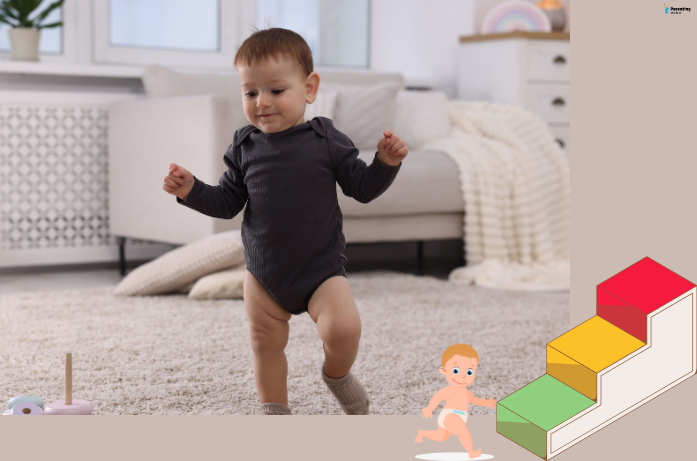
There are certain moments in parenting that stay with you forever, and your baby’s first step is truly one of the most special. Just yesterday they were happily crawling around the house, exploring every corner with curiosity. And then one day, they hold onto the couch, slowly stand up, let go for a second… wobble a little… almost lose balance… and then gather the courage to take that tiny step forward. In that very moment, it feels as if time pauses and your heart skips a beat.
You watch their face light up with surprise and joy, while your own eyes fill with pride and emotion. It may be just one small step, but for your little one, it is a huge achievement. You can see their determination, their effort, and their growing confidence in that single brave move.
Your baby’s first step is not just about learning to walk. It marks the beginning of their independence, their confidence, and their journey into a bigger world. From that moment on, they slowly begin to explore life on their own little feet. It becomes a memory that parents cherish forever, a simple yet deeply emotional milestone that always brings a warm smile whenever you think about it.
When Do Babies Take Their First Steps?
Most babies start taking their first independent steps between 9 and 15 months. However, every child grows at their own pace, so there’s no need to compare or worry. Some babies may begin walking a little earlier, while others may take a bit more time, both are completely normal and part of healthy development.
The CDC Benefits of Physical Activity for Children explains how babies grow and benefit from increasing their physical activity in the first few years, including the important step of walking.
Before they start walking, babies usually go through a few important stages:
- Roll over : learning to control their body
- Sit without support : building core strength and balance
- Crawl : strengthening arms, legs, and coordination
- Pull up to stand : gaining confidence on their feet
- Cruise (walk while holding furniture) : practicing balance and movement
These small steps may seem simple, but they play a big role in preparing babies to walk. With each stage, they slowly build strength, balance, and confidence, which finally helps them take those first independent steps.
The Healthy Children link specifically talks about infants moving, pulling up, and preparing for walking, directly supporting that content.
Signs Your Baby Is Ready to Walk
Before that big milestone happens, you’ll often notice a few lovely signs that your baby is getting ready to walk. These small moments show that their body is becoming stronger and their confidence is growing day by day.
- Standing without support : your baby can balance on their own for a few seconds
- Letting go of furniture briefly : they try to stand independently, even if just for a moment
- Taking a few steps while holding your hands : practicing walking with your support
- Squatting and standing confidently : showing stronger legs and better balance
- Increased curiosity and confidence : wanting to explore more and move around freely
These little signs may seem simple, but they mean a lot. They show that your baby is slowly preparing for those first independent steps. With a bit more practice and encouragement, that beautiful moment of walking on their own is not far away.
How to Encourage First Steps (Without Pressure)
Walking is a natural part of your baby’s development, and every child learns at their own pace. With a safe environment and gentle encouragement, your little one will feel more confident to try those first steps.
1. Create a Safe Space
Make sure the area where your baby plays is clear of sharp or heavy objects. A safe, open space helps them move freely and practice standing or walking without fear.
2. Let Them Go Barefoot Indoors
Allowing your baby to walk barefoot at home helps strengthen their foot muscles and improves balance. Feeling the floor beneath their feet gives them better stability and control.
3. Use Warm, Encouraging Words
When your baby tries to stand or take a step, smile, clap, and cheer them on. Your positive reactions make them feel proud and more confident to keep trying.
4. Offer Your Hands for Support
Stand a short distance away and gently invite your baby to walk toward you. Holding your hands gives them a sense of security while they practice moving forward.
5. Avoid Using Walkers
Baby walkers may seem helpful, but they can sometimes slow down natural muscle development and balance. Push toys that your baby can hold and move with are a safer and more natural choice.
With patience, love, and gentle support, your baby will gradually gain the confidence to take those first independent steps in their own time.
What If My Baby Falls?
Falling while learning to walk is completely normal. As babies try to balance and move on their own, a few small tumbles are part of the learning process. In these moments, your reaction matters more than the fall itself.
If you stay calm, offer a gentle smile, and encourage your baby to try again, they feel safe and supported. They begin to understand that falling is not something to fear, but simply a step toward learning. Each small tumble helps improve their balance, coordination, and overall confidence.
Of course, it’s important to supervise closely and keep the surroundings safe. Remove sharp or hard objects so your baby can practice walking without unnecessary risk. With your patience, reassurance, and a secure environment, every little fall becomes a chance for your baby to grow stronger and more confident.
Shoes or No Shoes for First Steps?
For indoor walking, letting your baby stay barefoot is usually the best choice. It helps them balance better and naturally strengthens their little feet.
For outdoor walking, shoes are important to protect their feet. Choose ones that are:
- Lightweight
- Flexible so feet can move naturally
- Non-slip for better grip
- Well-fitted but comfortable
The goal is simple, shoes should support your baby’s feet, not restrict their natural movement.
Emotional Side of First Steps
Your baby’s first steps bring a wave of mixed emotions. You feel proud, happy, and excited, and at the same time, a little emotional seeing how quickly your little one is growing up.
These tiny steps are the start of a whole new journey of exploring, running, and discovering the world.
Pause for a moment, capture it in photos or videos, and celebrate it with love, it’s a memory you’ll treasure forever.
When to Talk to a Doctor
Most babies learn to walk in their own time, and slight delays are often completely normal. Still, it’s always wise to check with your pediatrician if something feels concerning to you as a parent.
You may consider talking to a doctor if:
- Your baby is not putting weight on their legs by 12 months
- They are not able to stand even with support by 12 months
- They are not walking by 18 months
- You notice unusual stiffness or weakness in their body
Seeking advice early doesn’t mean there is a problem, it simply gives you reassurance and the right guidance if your baby needs a little extra support.
Celebrate Progress, Not Just Milestones
It’s easy to focus only on the big moment of walking, but every small step before that is just as special. Crawling, pulling up to stand, and cruising along furniture are all meaningful achievements for your baby.
Every child grows at their own pace, and no two journeys are the same. Comparing them with others only takes away the joy of watching your little one learn and grow in their own way.
So celebrate each little progress along the way, your baby will start walking when they’re truly ready.
FAQs About Your Baby’s First Step:
When do babies typically take their first steps?
Most babies take their first steps between 9 and 15 months, though it can vary based on their development. Some babies walk earlier, while others may take a bit longer.
What signs should I look for to know my baby is ready to walk?
Key signs include standing without support, letting go of furniture briefly, taking a few steps while holding your hands, and showing increased curiosity and confidence in moving around.
How can I encourage my baby’s first steps?
Create a safe space for them to practice, let them go barefoot indoors to strengthen their feet, use encouraging words, and offer support by holding their hands as they try to walk.
What should I do if my baby falls while learning to walk?
Falling is completely normal. Stay calm, reassure them, and encourage them to try again. Keep the environment safe and baby-proofed to minimize the risk of injury.
Should my baby wear shoes for their first steps?
For indoor walking, it’s best to let your baby go barefoot, as it helps with balance. For outdoor walking, choose lightweight, flexible, non-slip shoes that provide protection while still allowing natural foot movement.
When should I be concerned about my baby’s walking milestones?
It’s important to consult a pediatrician if your baby is not putting weight on their legs by 12 months, is not able to stand with support by 12 months, or has not started walking by 18 months.
How can I celebrate my baby’s first steps?
Take photos or videos to capture the moment, share the joy with loved ones, and celebrate every tiny milestone as your baby grows and learns.
Final Thoughts
Your little one’s first step is a powerful reminder of growth, courage, and independence.
From holding your finger tightly to walking toward you confidently, it’s a journey filled with love and patience.
At Parenting Stories, we celebrate every tiny milestone because small steps today become big adventures tomorrow.
Hold their hand today.
Watch them run tomorrow.
And cherish every step in between.
Disclaimer
This article is for informational purposes only. If you have concerns about your baby’s physical development or walking milestones, consult a pediatrician for personalized advice.