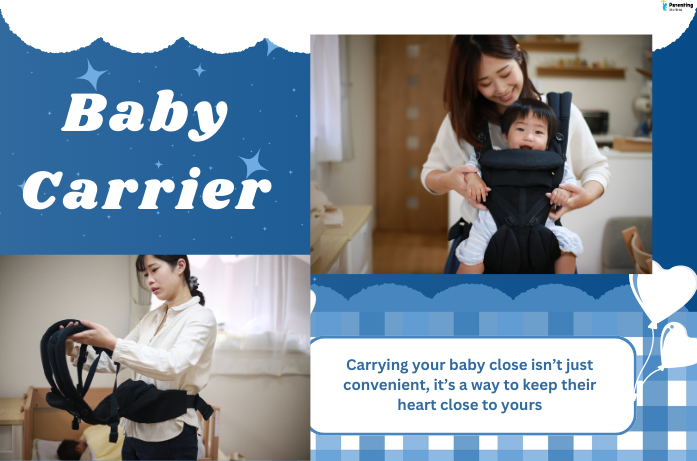
A baby carrier is one of those essentials that parents quickly can’t imagine life without. From moving around the house to going for walks, shopping, or traveling, a good baby carrier makes everyday life much easier. It lets you keep your baby close, safe, and lovingly snuggled against you at all times.
The biggest benefit? Your hands stay free, while your baby enjoys the warmth, security, and closeness they naturally crave. Being held close helps babies feel calm, secure, and happy, just like being in your arms.
Choosing the best baby carrier is not just about convenience; it’s about your baby’s comfort and your own ease. The right carrier supports your baby’s body properly, reduces strain on your back and shoulders, and makes bonding effortless throughout the day.
This simple, parent-friendly guide will help you understand how to choose the best baby carrier for newborns and growing babies, so you can feel confident, comfortable, and relaxed while caring for your little one.
Why Parents Love Baby Carrier
Baby carriers are loved by parents because they make daily life easier while keeping babies calm and close. When a baby is snug against you, they feel safe, relaxed, and comforted by your warmth and heartbeat. At the same time, parents can move freely, doing household work, stepping out, or going for a walk, without constant strain. This closeness builds a strong bond and often helps babies sleep better, making everyday moments smoother and more peaceful for both. According to the American Academy of Pediatrics, babywearing can support bonding, comfort, and emotional security when done safely and correctly.
Keeps Baby Close & Comforted
Newborns feel most secure when they sense a parent’s presence and support. Being held close gives them a familiar, womb-like comfort that helps reduce restlessness and crying. This closeness makes it easier for babies to relax, adjust to their new surroundings, and feel emotionally safe during their early days.
Hands-Free Convenience
You can:
• Do chores. You can manage daily household tasks while your baby stays close, calm, and supervised without needing to be put down.
• Shop Moving through markets or stores becomes easier, even in crowded places, without juggling a stroller or pram.
• Travel: Baby carriers make short trips or long journeys more manageable, keeping your baby settled and secure on the go.
• Walk comfortably. Enjoy relaxed walks or outings with better balance and less strain, while your baby stays snug and content.
…while your baby rests peacefully on you.
Helps in Bonding
Babywearing creates a beautiful sense of closeness between parent and baby, especially in the early months. Being held close helps babies feel loved and secure, while parents become more aware of their baby’s cues, needs, and emotions. This daily closeness naturally deepens the emotional connection and trust between both.
Eases Baby’s Digestion
Keeping your baby in an upright position after feeding can gently support digestion. It helps milk settle better, reducing common discomforts like gas, colic, and reflux. This simple habit often makes babies feel more comfortable and relaxed, leading to fewer tummy troubles and happier moments for both baby and parent.
Great for Sleep
Many babies drift off quickly when snuggled in a carrier. The gentle rocking, warmth, and closeness create a sense of security that helps them relax and sleep peacefully. It’s a comforting way for babies to rest while staying connected to their parents throughout the day.
Types of Baby Carrier
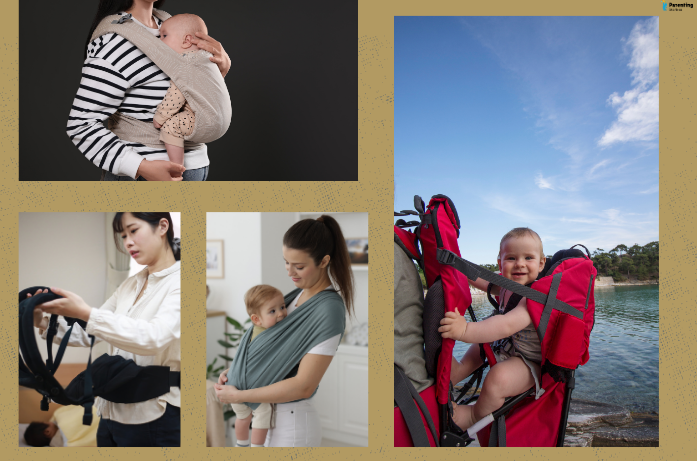
There’s no single perfect carrier for everyone. The best baby carrier is the one that feels comfortable and secure for both you and your baby. Choosing the right carrier makes daily life easier, keeps your baby safe and content, and turns everyday moments into more relaxed, enjoyable experiences.
1. Soft Structured Carrier (Ergonomic Carrier)
Soft structured carriers are a favorite among parents because they’re simple to use and feel secure. With supportive straps and multiple carrying positions, they make daily routines, whether walking, shopping, or running errands, much easier, while keeping your baby comfortable and properly supported throughout the day.
Features:
- Strong shoulder straps
- Waist belt for back support
- Front, back, or hip carrying positions
- Supports baby’s spine and hips
Great for long walks and daily use.
2. Baby Wrap Carrier
A baby wrap carrier is a soft, stretchy fabric that you wrap around yourself to hold your baby close. It’s ideal for newborns, giving them a cozy, womb-like feeling, while distributing the baby’s weight evenly to keep parents comfortable throughout the day.
Benefits:
- Best for newborns
- Very soft and snug
- Distributes weight evenly
It offers a snug, womb-like feel, making it one of the best baby carriers for newborns.
3. Sling Carrier
A sling carrier is a lightweight, single-shoulder fabric that lets you carry your baby comfortably and securely. It’s very convenient for newborns and small babies, easy to put on, and can be taken anywhere, offering a simple and flexible way to keep your little one secure.
Best for:
- Short trips
- Breastfeeding discreetly
- Newborns and small babies
Lightweight and easy to carry anywhere.
4. Backpack Carrier
Backpack carriers are perfect for older babies and toddlers who love exploring while staying safe. With strong support and comfortable straps, they make long outings and daily adventures much easier for parents, while giving little ones a secure and elevated view of the world around them.
Great for:
- Hiking
- Travel
- Outdoor adventures
Designed with strong support and storage pockets.
Choosing the right baby carrier isn’t just about comfort; it’s also about safety and proper support. Trusted pediatric resources like HealthyChildren.org by the American Academy of Pediatrics emphasize selecting carriers that support a baby’s hips, spine, and airway while fitting the parent correctly. Their guidance highlights why ergonomic designs, proper positioning, and age-appropriate carriers matter for both safety and comfort during daily use.
How to Choose the Right Baby Carrier
When choosing a baby carrier, look for options that are comfortable and safe for both you and your baby. Features like proper baby positioning, easy-to-wear design, and durable construction make daily use simpler, more secure, and enjoyable for both parent and child:
Ergonomic Seat (M-position for hips)
A carrier with an ergonomic seat supports healthy hip development. Your baby’s knees should be slightly higher than their bottom, forming a gentle frog position, which keeps their hips and spine in a safe, natural alignment. The International Hip Dysplasia Institute recommends baby carriers that support the hips in the M-position to promote healthy hip development.
Good Back Support for Parents
A carrier with padded shoulder straps and a sturdy waist belt helps distribute your baby’s weight evenly, reducing strain on your back. It makes carrying your little one comfortable for longer periods, keeping both parent and baby happy.
Breathable Fabric
Choose a carrier made from breathable materials like cotton or mesh. These fabrics keep your baby cool and comfortable, allowing air circulation and preventing overheating, so your little one stays happy and content even during long walks or warm days.
Newborn Head Support
For babies who can’t support their own heads yet, a carrier with proper head support is essential. It keeps their head and neck safe, providing stability and comfort, so both you and your newborn can feel secure during every cuddle or walk.
Safety Buckles & Strong Stitching
A carrier with sturdy buckles and strong stitching ensures your baby stays secure at all times. Reliable design and quality construction give you peace of mind, so you can carry your little one safely and confidently wherever you go.
Easy to Put On
Pick a carrier that you can easily wear by yourself, without needing anyone’s help. A simple, hassle-free design saves time and makes daily use much more convenient, letting you focus on bonding with your baby instead of struggling with straps.
When Can You Start Using a Baby Carrier
Most carriers can be used from:
• Newborn Stage (with a newborn insert or soft wrap: For newborns, using an insert or soft wrap keeps your baby safe and comfortable. It provides essential support for their head and neck while allowing them to stay close to you, promoting bonding and a sense of security.
• 4–6 Months Onward for Structured Carriers without Inserts. After 4–6 months, most babies can support their own head and neck, making structured carriers without inserts suitable. These carriers offer comfort and convenience for longer walks and daily activities, while keeping your baby secure and happy.
Always check the weight recommendation of the carrier.
Safety Tips for Using a Baby Carrier
Babywearing is a wonderful experience, but safety should always come first.
Follow the T.I.C.K.S. rule:
• Tight: mMakesure the carrier holds your baby securely.
• In view at all times: Keep your baby within sight.
• Close enough to kiss: Your baby should be close enough to easily kiss.
• Keep the baby’s chin off the chest. Keep the baby’s chin away from the chest for easy breathing.
• Supported back: Always support your baby’s back properly.
Additional Tips:
- Make sure babthe y’s face is not covered
- Avoid cooking or holding hot drinks when the baby is in the carrier
- Check the carrier straps regularly
- Don’t jog or run while the baby is in the carrier
Why Babywearing Makes Parenting Easier
Babywearing supports:
- Better bonding
- Happier, calmer babies
- Less crying
- Easier breastfeeding
- More mobility for parents
It brings comfort, closeness, and confidence to your daily routine.
FAQs: Baby Carrier
1. Is a baby carrier safe for newborns?
Yes. Baby carriers are safe for newborns when used correctly, with proper head and neck support and an ergonomic position.
2. How long can a baby stay in a carrier?
Babies can stay in a carrier for short to moderate periods. Take breaks, check comfort, and change positions as needed.
3. Can baby carriers hurt a baby’s hips?
Only if used incorrectly. Choose an ergonomic carrier that supports the baby’s hips in the M-position to promote healthy development.
4. Are baby carriers better than strollers?
Both are useful. Carriers offer closeness and convenience, while strollers are helpful for longer outings. Many parents use both.
5. Can dads use a baby carrier too?
Absolutely! Baby carriers are great for all caregivers and help build strong bonding for dads as well.
Final Thoughts: A Small, Big Comfort
A baby carrier is more than a product; it’s a parenting tool that makes life simpler while giving your baby the warmth and security they crave.
Choose one that feels safe, supportive, and comfortable for both of you. With the right carrier, every walk, every chore, and every cuddle becomes easier and more meaningful.
Looking for more simple, real-life parenting guides that make everyday moments easier?
Explore more heartfelt reads on ParentingStories, where parenting is shared with warmth, honesty, and care.
Disclaimer
This article is for general informational purposes only. Always follow the manufacturer’s instructions and consult a pediatrician if you have concerns about baby positioning, comfort, or medical conditions.